Lawn
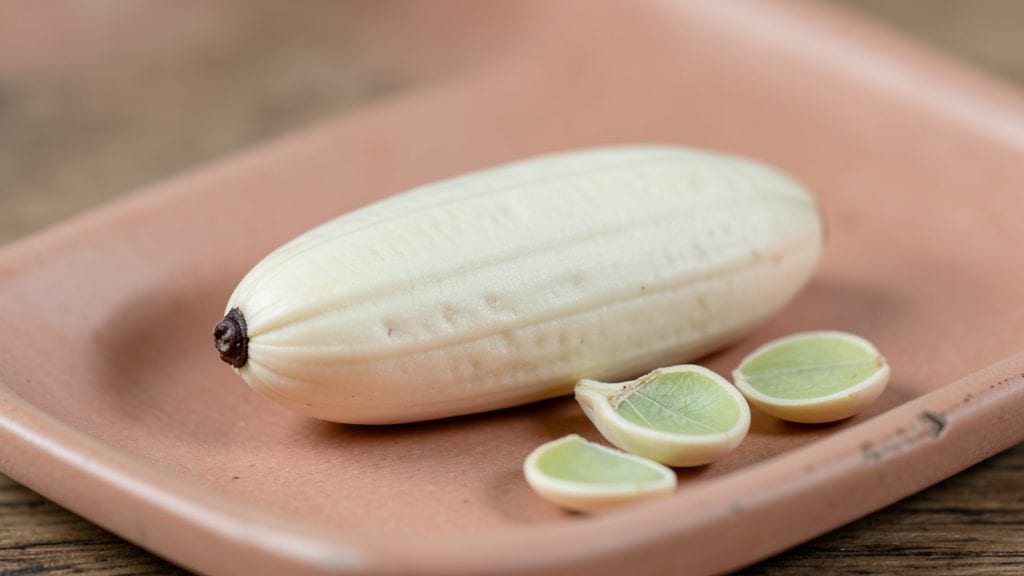
The inside of a pumpkin seed reveals a nutrient-dense kernel encased in a thin, edible seed coat rich in healthy fats, plant-based protein, and minerals like magnesium and zinc. This white inner portion delivers a satisfying crunch and earthy taste when enjoyed roasted or raw.
The inner kernel isn't just edible—it's a nutritional powerhouse packed with 19 grams of protein per ounce, making it a great plant-based option. 🌱 The seed coat also contains omega-3 and omega-6 fatty acids, which support heart health when consumed regularly.
What's fascinating is how roasting enhances their flavor while preserving most nutrients, unlike grinding, which can degrade some fats over time.
Beyond nutrition, these seeds have been used for centuries in traditional medicine for their anti-inflammatory properties. Many people incorporate them into daily snacks or sprinkle them on salads, but they also work wonders in baked goods or as a topping for oatmeal.
The key is proper storage—keeping them in an airtight container in a cool, dark place extends their freshness for months.
💡 In This Article
- Pumpkin Seed Anatomy and Nutritional Breakdown
- How to Prepare and Use Pumpkin Seeds for Maximum Health Benefits
Pumpkin seed anatomy and nutritional breakdown
A whole pumpkin seed starts with a hard, woody outer shell that protects the delicate inner layers—this isn't edible and should be removed before consumption.
Beneath that lies the thin, papery seed coat, which is actually edible and contains concentrated polyunsaturated fats (about 50% of its weight), including omega-3 and omega-6 fatty acids in a 3:1 ratio.
This makes it one of the few plant sources with significant omega-3s, though in smaller amounts than flaxseeds. 🔥
The real nutritional star is the white kernel inside, where you'll find 19 grams of protein per ounce—comparable to sunflower seeds (16g/oz) but with a more balanced amino acid profile.
The kernel also contains 50% of your daily magnesium needs per serving and 37% of zinc, both of which play crucial roles in muscle function and immune support.
What's unique is how the kernel's low glycemic index (GI) of 35 makes it ideal for blood sugar management, unlike chia seeds which have a slightly higher GI when soaked.
Processing dramatically affects nutrient availability. Roasting at 300-325°F for 10-15 minutes enhances flavor through Maillard reactions while preserving 90% of magnesium and zinc.
However, grinding seeds into flour or butter can oxidize up to 30% of their healthy fats within 24 hours unless stored properly in airtight containers with antioxidants like vitamin E. This oxidation process is why freshly ground pumpkin seed butter tastes richer and has better nutritional retention than store-bought versions. ✨
Comparing to other seeds reveals interesting patterns: sunflower seeds have twice the calorie density (600 vs. 300 kcal/cup) but only half the magnesium (37mg vs. 150mg). Chia seeds, meanwhile, contain 10x more calcium but lack pumpkin seeds' tryptophan-rich protein, which supports serotonin production.
The key difference lies in pumpkin seeds' unique phytosterol content (like cucurbitacin), which may help lower cholesterol when consumed regularly.
Here's what happens when you eat them whole: The seed coat's fiber (about 10% of total weight) slows digestion, creating a satiety effect similar to oats. Meanwhile, the kernel's arginine content (an amino acid) may improve blood flow—something chia seeds don't provide.
This combination makes pumpkin seeds particularly valuable for post-workout recovery when paired with carbohydrates. 💫
The science behind their earthy flavor comes from volatile compounds like hexanal and nonanal, which develop during roasting. These same compounds contribute to their antioxidant properties, with ORAC values reaching 1,200 units per 100g—comparable to blueberries.
What most people overlook is how the seed's natural oil content (about 40-50%) makes them prone to rancidity if not stored properly in cool, dark conditions.
For maximum benefit, aim to consume 1-2 ounces daily—about ¼ to ½ cup—either raw, roasted, or ground. The kernel's crunchy texture comes from its low moisture content (5-6%) and hard starch granules, which break down during chewing to release nutrients more efficiently than processed seed butters.
This natural structure is why they feel more satisfying than chia gel when eaten whole. 🌟