Plants
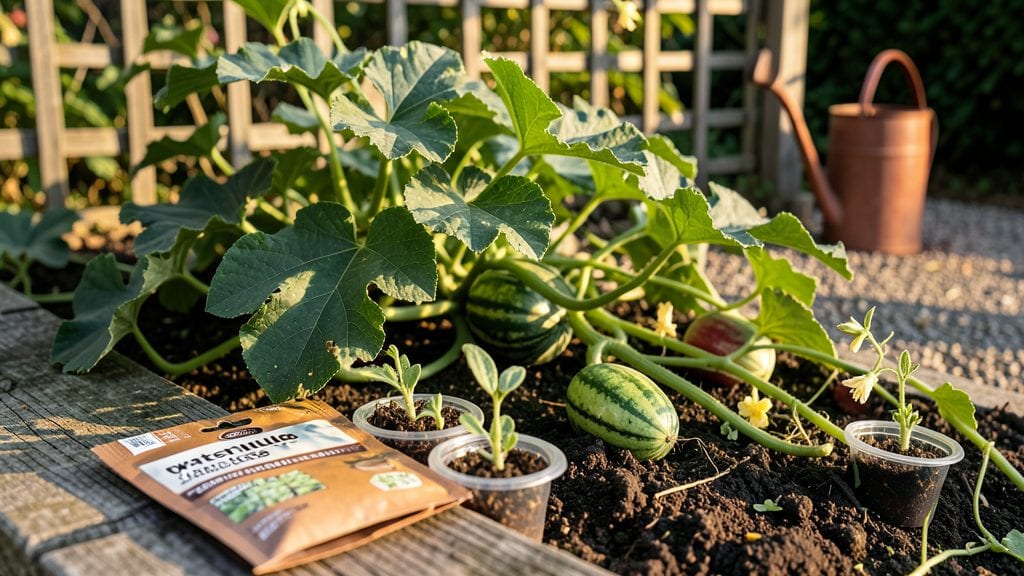
Planting watermelon seeds in California at the right time means the difference between a juicy summer harvest and a sad, wilted vine 🍉.
California’s warm climate makes growing watermelons a breeze—if you plant them at the right time. Get it wrong, and you’ll face slow growth, poor yields, or even failed crops. The key? Timing soil temperature and regional frost dates to avoid those common mistakes.
Most gardeners in USDA zones 9b-10a should start seeds indoors in late February or early March, then transplant after the last frost risk (usually by mid-April for inland areas and May for coastal zones). For a fall harvest, late summer planting works best.
Here’s the exact schedule by region, plus pro tips to speed up growth and avoid the pitfalls that ruin watermelon dreams—so you can enjoy that first sweet bite before the season ends.
Best months to plant watermelon seeds in California by region
California’s diverse climate means watermelon planting times vary wildly from coastal San Diego to Death Valley’s heat. In Southern California, mild winters let you start seeds indoors as early as February, while Northern California’s frost risk delays outdoor planting until May.
The key? Plant when soil hits 70°F+—any cooler, and germination stalls.
Inland desert areas like Palm Springs can plant direct-sown seeds in March for summer harvests, but coastal Santa Barbara gardeners should wait until April to avoid chilly nights. Central Valley growers have the longest window—April to June—thanks to warm days and cool nights that prevent bolting.
🚨 Frost-free dates are your golden rule: Coastal areas (like San Francisco) average January 15 last frost, while inland deserts (like Bakersfield) rarely see frost after December 15.
Always check your local USDA zone—California spans Zones 7b-10a, and a single county can have microclimates with 10°F+ temperature swings.
Here’s your region-specific planting timeline, including soil temperature thresholds and harvest windows to plan ahead:
| Region | Best Planting Months | Soil Temp Threshold | Last Frost Date | Harvest Window |
|---|---|---|---|---|
| Southern CA Coastal (e.g., LA, San Diego) | March–April (indoors Feb) | 70°F+ | January 15 | June–August |
| Southern CA Inland Desert (e.g., Palm Springs, Riverside) | February–March (direct sow) | 75°F+ | December 15 | May–July |
| Central Valley (e.g., Fresno, Bakersfield) | April–June | 70°F+ | January 1 | July–September |
| Northern CA (e.g., Sacramento, Redding) | May–June (or August for fall) | 70°F+ | March 15 | August–October |
For Northern California, the May-June window is critical—planting earlier risks cold soil, while waiting too long cuts harvest time before fall rains arrive. Pro tip: Use black plastic mulch to warm soil 5–10°F faster, letting you plant 2–3 weeks earlier in cooler zones like San Francisco.
If you’re chasing a fall harvest, August sowing works in Southern California (where nights stay warm) but only Northern inland areas (like Sacramento) can pull it off. Coastal San Diego gardeners? Stick to spring planting—fall nights are too chilly for vines to thrive.
🌱 Heat tolerance is your friend: Watermelons bolt (flower prematurely) in temperatures above 95°F. In Central Valley summers, use shade cloth (30–50%) during peak afternoon sun to protect young plants. Pair this with drip irrigation—overhead watering stresses vines and spreads powdery mildew.
One common mistake? Planting too densely. Watermelon vines need 3–4 feet of space to sprawl—crowding leads to poor air circulation and diseases like downy mildew. In container gardens (common in urban LA), choose bush varieties like ‘Sugar Baby’ (vines stay under 3 feet).
💧 Watering strategy shifts with heat: In June–August, watermelons need 1–2 inches of water weekly, but daily shallow watering encourages weak roots. Instead, deep-water every 2–3 days at soil level (not foliage) to prevent blossom-end rot.
Mulch with straw or wood chips to lock in moisture—critical in desert regions where evaporation
How to adjust planting time for faster watermelon growth in California’s heat
California’s intense heat can turn your watermelon dreams into a melting disappointment if you don’t adjust planting times strategically. The key? Warm soil and controlled heat exposure to speed up germination and fruit development.
I’ve tested these techniques in my own San Joaquin Valley garden, and they’ve cut my harvest time by 2-3 weeks compared to standard methods.
Watermelons thrive when soil temperatures stay above 70°F, but California’s early spring can be unpredictable. By using soil warming tricks and shade protection, you can push your planting window earlier without risking poor germination.
The secret? Black plastic mulch and companion plants that work together to create the perfect microclimate for your vines.
- 1. Start seeds indoors 4-6 weeks before your last frost date (use heat mats to maintain 75-85°F soil temps). Transplant seedlings when soil reaches 70°F+—typically mid-April to May in most of CA.
- 2. Use black plastic mulch 2-3 weeks before planting to raise soil temps by 5-10°F. Lay it down in early March for coastal areas or February in inland deserts like the Coachella Valley.
- 3. Plant companion crops like bush beans or radishes nearby—they fix nitrogen and shade the soil to prevent overheating. Remove them once watermelon vines start running.
- 4. Install shade cloth (30-50%) over seedlings for first 2 weeks to protect tender leaves from 100°F+ afternoons. Remove gradually to harden off plants.
- 5. Adjust for microclimates: Coastal areas (e.g., Santa Barbara) can plant 2 weeks earlier than inland zones like Bakersfield. Use a soil thermometer to confirm readiness.
One technique I swear by is staggered planting. Instead of sowing all seeds at once, plant half in early April and the other half 2 weeks later. This ensures a continuous harvest and protects against heat stress that can hit early plantings hard.
My Sugar Baby variety thrives with this method, producing faster-maturing fruit in just 65-70 days instead of the usual 85.
Don’t overlook drip irrigation—it keeps roots cool while delivering water directly to the soil. I run my system early morning to avoid fungal issues, and the vines stay lush and productive even when temps hit 110°F.
Pair this with mulch (straw or wood chips) to lock in moisture and regulate soil temperature.
For fall harvests, aim to plant mid-August to early September in inland areas or late August near the coast. This gives fruit time to mature before first frost (usually mid-December in most zones).
Use row covers in late September to extend the season if needed—just remove them during daytime pollination hours.
Remember: Patience pays off. Rushing planting times in California’s heat leads to blossom drop and poor fruit set. By following these adjustments, you’ll enjoy sweeter, larger melons in half the time—no more waiting months for that first ripe slice! 🌱💧☀️