Plants
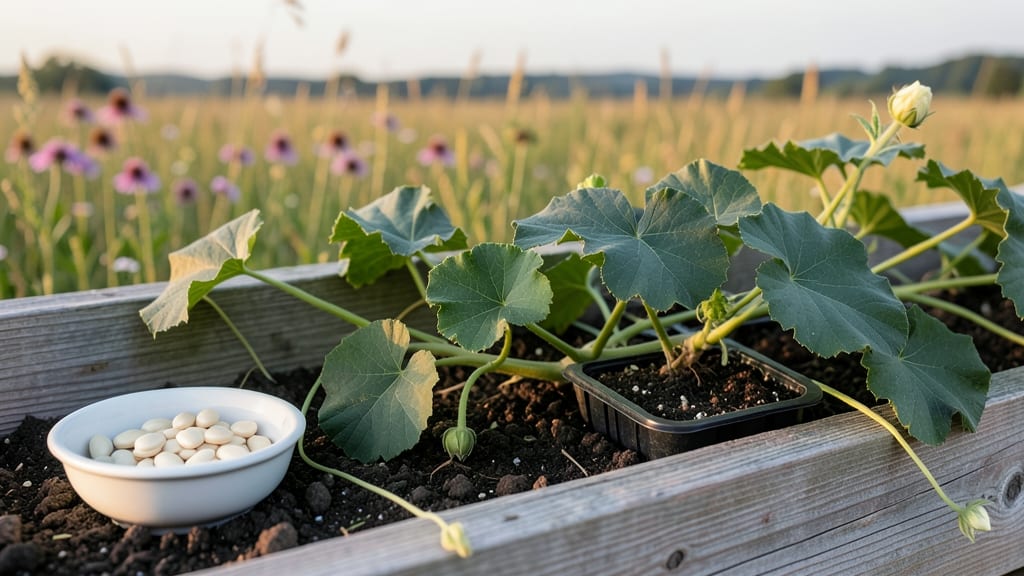
You can plant white watermelon seeds—they produce fruit with the same green flesh and flavor as traditional varieties, since rind color doesn't impact the interior. These seeds are fully viable and grow standard watermelons, regardless of outer appearance.
Watermelon rind color is purely cosmetic—it's all about the anthocyanins (pigments) that give varieties their white, yellow, or striped look. 🌱 The seeds themselves carry the same genetic code for flesh color and sweetness, so planting white-rinded seeds won't change the fruit's interior.
This means you'll still get that signature juicy green flesh, just wrapped in a different-colored skin. Many gardeners love white varieties for their unique look, but the flavor and texture remain identical to other types.
If you're growing white-rinded watermelons, focus on soil warmth and consistent moisture—they thrive in the same conditions as traditional varieties. Just be patient, as some white-skinned types may take slightly longer to mature. The key is proper spacing and regular watering to prevent cracking, regardless of rind color.
💡 In This Article
- How Watermelon Rind Color Affects Seed Viability
- Growing Tips for White-Rinded Watermelon Varieties
How watermelon rind color affects seed viability
The outer color of watermelons—whether white, striped, or deep green—is determined by anthocyanin pigments, which don't influence the fruit's interior genetics. These pigments develop in the rind's outer layer through a process called phenolic oxidation, where enzymes react with compounds in the fruit's skin.
The seeds, however, carry the genetic code for flesh color, sweetness, and texture—completely separate from the rind's appearance. 🔥
Here's the science: Watermelon rind color is controlled by a single gene (or gene cluster) that produces anthocyanins, while flesh traits are governed by different genetic pathways.
For example, the white 'Moon and Stars' variety lacks anthocyanins entirely, yet its seeds produce fruit with the same 92% water content and 8% sugar concentration as striped varieties. This means the seeds' viability and resulting fruit characteristics remain unchanged by the rind's pigmentation.
Hybrid vs. heirloom seeds behave differently here. Hybrid seeds (like those from 'Sugar Baby') may produce fruit with consistent rind colors across generations, but the flesh traits remain stable regardless.
Heirloom white-rinded varieties, however, can show more variation in rind patterns due to their open-pollinated nature—though the flesh will still be green and sweet. The key takeaway: rind color is purely cosmetic and doesn't alter the seeds' ability to grow standard watermelons. ✨
What most gardeners don't realize is that even striped watermelons (like 'Crimson Sweet') produce seeds that will grow fruit with identical flesh traits to their white-rinded counterparts. The stripes are caused by uneven anthocyanin distribution, but the seeds carry the same genetic instructions for the interior.
This is why you'll find white, yellow, and striped watermelons all producing green flesh with similar brix levels (sugar content) when grown from seed.
For visual comparison, imagine a watermelon's genetics like an iceberg: the rind color is just the tip (visible but superficial), while the seeds carry the bulk of the genetic information below. The flesh color, sweetness, and even the seed pattern inside are all determined by separate genes.
This is why you can save seeds from a white-rinded watermelon and still get fruit that looks identical to its striped cousins on the inside. 💫
The only exception occurs with certain commercial hybrids, where breeders may select for specific traits that could influence seed performance—but even then, the flesh characteristics remain consistent. Always check seed packets for hybrid labels, as heirloom varieties tend to show more predictable rind-to-flesh relationships across generations.