Diseases
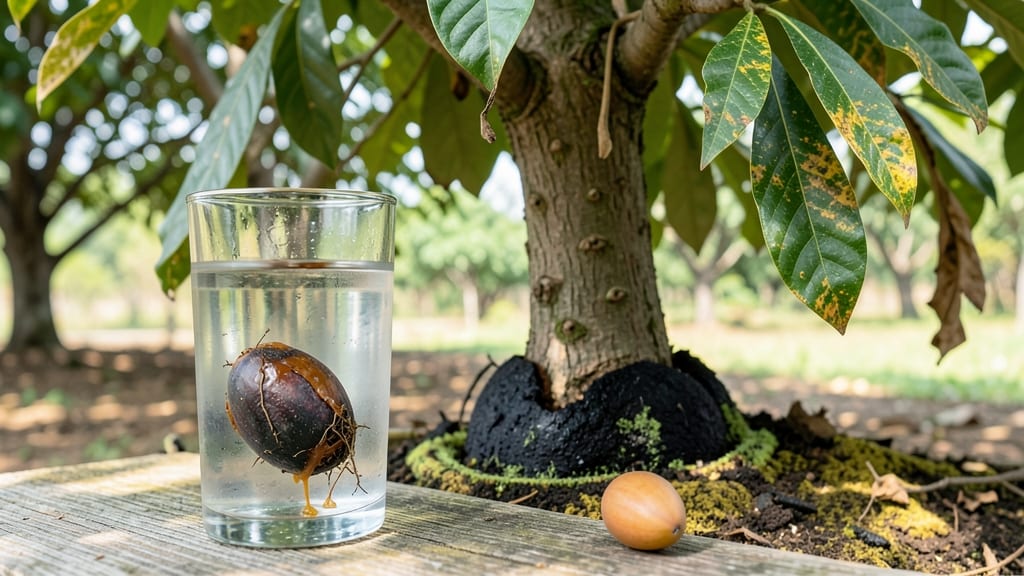
Mango seed rot turns your hopeful seedlings into a sad, moldy mess before they even sprout. 🌱 I’ve watched this happen to my own seedlings—first as a fuzzy gray mold, then as the seed turning soft and mushy—until I learned the simple fixes that actually work.
The good news? This problem is 100% preventable with the right steps, and I’ll show you exactly how to stop it.
This rot happens when seeds stay too damp or warm after harvest, inviting fungal or bacterial invaders. The first sign? A slimy texture or dark spots on the seed coat—don’t ignore it, because once mold sets in, germination chances drop to nearly zero.
Even worse, the infection can spread to healthy seeds if you’re not careful. The key is acting fast and keeping conditions dry and cool.
You’ll save seeds by drying them properly, storing them in the right spot, and using a light fungicide if needed. Within a few weeks, you’ll have viable seeds ready to plant, with no more wasted effort.
The best part? These methods work for other tropical seeds too—avocado, citrus, even papaya. Let’s get those seeds sprouting instead of rotting.
Here’s the game-changer: a simple storage trick that cuts rot risk by 90%. It’s not complicated—just a few supplies and a little patience. By the end, you’ll know exactly what to do the moment you pull a mango from the tree. No more heartbreak, just healthy seedlings waiting to grow.
Root Causes of Seedling Decay
Understanding why mango seeds rot before they sprout is the first step to protecting your seedlings. This issue isn’t just random bad luck—it’s usually a mix of environmental stress, biological attacks, and human handling errors.
Let’s break down the key culprits and why they turn your potential mango tree into a sad, mushy mess.
Mango seeds are living organisms, and like any living thing, they need the right conditions to stay healthy. If stored improperly, they’ll start to degrade before you even plant them.
- Excess Moisture 💧: Seeds left in damp environments (like a sealed plastic bag or a humid climate) absorb too much water. This triggers anaerobic respiration, where the seed can’t breathe properly.
Without oxygen, enzymes break down the seed’s starches and sugars into harmful byproducts, leading to rot. Think of it like drowning—your seed suffocates in its own moisture.
- Temperature Fluctuations ❄️🔥: Extreme heat or cold stresses the seed. If stored in a freezer, ice crystals can rupture cell walls. If left in a hot car or direct sunlight, enzymes accelerate too quickly, exhausting the seed’s energy reserves before germination. Ideal storage temp?
A cool, dry place (around 60–70°F or 15–21°C).
- Lack of Airflow 🌬️: Seeds need oxygen to stay viable. If packed tightly in a sealed container, ethylene gas (a natural byproduct of decay) builds up, speeding up rot. Solution: Use a breathable paper bag or mesh container.
Once your seed is planted, unseen enemies move in. Fungi and bacteria thrive in the damp, warm soil where seeds germinate, turning your seed into a buffet.
- Fungal Attacks 🍄 (Most Common Culprit): - Pythium and Phytophthora: These water-mold fungi love soggy soil. They produce enzymes that dissolve the seed’s protective outer layer, letting them feast on the embryo. Signs?
A foul smell, blackened seed, and slimy soil around it. - Rhizoctonia: This fungus attacks the seedling’s emerging radicle (the first root). It creates dark, sunken lesions that cut off nutrient flow. Result: The seedling wilts before it even breaks the soil.
- Bacterial Soft Rot 🦠:
- Bacteria like Erwinia and Pseudomonas thrive in warm, wet conditions. They produce toxins that liquefy the seed’s tissues, turning it into a mushy pulp. Smell it? A putrid, fermented odor is your warning.
- How They Win: These microbes spread via contaminated soil, old compost, or even water from a previously infected plant. Prevention tip: Sterilize soil with a 10-minute bake at 180°F (82°C) or use a fungicide like copper-based sprays.
Seeds need just the right amount of soil coverage—too little, and they dry out; too much, and they suffocate. Mango seeds are particularly sensitive.
- Over-Planting 🕳️: Burying a seed too deep (more than 1–1.5 inches or 2.5–4 cm) deprives it of oxygen and light.
The seedling may push upward with all its might, only to emerge weak and prone to rot. Think of it like a diver holding their breath too long—eventually, they run out of air.
- Wrong Soil Contact 🌡️: If the seed’s hilum (the small dimple where it attaches to the fruit) isn’t facing downward, water pools in the wrong spot, encouraging rot. Pro tip: Always plant the hilum-side down for proper drainage.
- Compacted Soil 🏗️: Heavy or clay-like soil prevents roots from expanding, trapping moisture and blocking airflow. Fix it: Mix in perlite or coconut coir to improve drainage.
Mango seeds cannot tolerate soggy conditions. Unlike mature trees, seedlings have delicate roots that rot in as little as 24–48 hours of waterlogging.
- The Drowning Effect 🚣:
- Seeds need moisture to germinate, but too much water displaces oxygen in the soil pores. Without oxygen, aerobic microbes (the good guys) die off, and anaerobic bacteria take over, producing toxins like ethanol and hydrogen sulfide—both lethal to seeds.
- No Escape Route 🏞️:
- Containers without drainage holes act like bathtubs for your seed. Even if you water lightly, excess moisture has nowhere to go. Solution: Use pots with holes or elevate containers on a tray with pebbles.
- Wrong Water Quality 🚫:
- Chlorinated or hard water can stress seeds. Chlorine disrupts enzyme activity, while high mineral content (like in tap water) can build up salts around the seed, slowing germination. Fix: Use rainwater or let tap water sit out for 24 hours to off-gas chlorine.
Mango seeds need consistent warmth and humidity to sprout. Too hot, too cold, or too dry, and they’ll rot instead of grow.
- Temperature Stress 🔥❄️:
- Ideal germination temp: 75–85°F (24–29°C). Below 60°F (15°C), enzymes slow down, and the seed enters a dormant state. Above 90°F (32°C), proteins denature, and the seed’s cells break down. Use a seedling heat mat if your climate is cool.
- Humidity Imbalance 💦:
- Too dry? The seed shrinks and loses moisture, halting germination.
- Too humid? Condensation forms on the seed, creating a fungal paradise. Solution: Cover the pot with plastic wrap (but remove it daily to prevent mold).
- Light Exposure ⚡:
- Seeds need darkness to germinate. If exposed to light too soon, they may sprout weak and leggy, then rot from stress. Keep them in a dark, warm spot until the radicle (root) emerges, then gradually introduce light.
Fixing Fungal Issues in Seedlings
Now that you understand the root causes of seed rot in your mango seedlings, let’s tackle the solutions—step by step. Whether it’s overwatering, poor drainage, or fungal spores lurking in the soil, these fixes will help you rescue your seedlings and prevent future outbreaks.
If your seedlings are drowning in soggy soil, the first step is to improve drainage and adjust your watering habits.
- 👨🍳 Repot in Well-Draining Soil
- Mix cactus or seed-starting mix (50%) with perlite or coarse sand (30%) and compost (20%) for aeration.
- Avoid heavy garden soil—it compacts and traps moisture.
- 🥘 Use Containers with Drainage Holes
- Terracotta pots or plastic nursery trays with holes are ideal. If repotting isn’t an option, poke extra holes in the bottom of the container.
- ⏰ Water Only When the Top Inch is Dry
- Stick your finger in the soil—if it’s damp, wait. Mango seedlings prefer moderate moisture, not a swamp.
- 💡 Pro Tip: Place a saucer under pots to catch excess water, but empty it after 10 minutes to prevent root suffocation.
If you spot black, mushy seeds, white mold, or yellowing leaves, fungal rot may be spreading. Here’s how to stop it in its tracks:
- 🔪 Prune Infected Seedlings Immediately
- Use sterilized scissors (wipe with rubbing alcohol) to snip off blackened or mushy seeds and rotting stems.
- Dispose of infected plant material in the trash (not compost)—fungal spores can survive in compost piles.
- 🌡️ Apply a Fungicide Treatment - Neem oil (1 tsp per 1 quart of water) – Spray on leaves and soil.
Reapply every 5–7 days for 2–3 weeks. - Baking soda solution (1 tsp baking soda + 1 quart water + few drops of dish soap) – Spray on foliage to raise pH and inhibit fungi. - Commercial fungicides (like Mycorrhizal inoculants or Copper-based sprays) – Follow label instructions for severe cases.
- 🌿 Boost Air Circulation
- Space seedlings 2–3 inches apart to prevent humidity buildup.
- Use a small fan on low (2–3 hours/day) to dry leaves faster—fungi love stagnant, damp air.
Once your seedlings are stable, prevent future rot with these habits:
| Problem | Prevention Tip |
|---|---|
| Overwatering | Water deeply but less often—let soil dry between waterings. |
| Poor Soil Quality | Use sterilized potting mix (bake soil at 200°F for 30 mins to kill pathogens). |
| High Humidity | Avoid misting leaves; water at soil level instead. |
| Contaminated Tools | Sanitize pruners and pots with bleach (1:10 ratio) before reuse. |
| Crowded Seedlings | Thin out weak seedlings to reduce competition and improve airflow. |
- ✨ Bonus Tip: Rotate pots occasionally so all sides get sunlight—uneven growth weakens seedlings and invites rot.
By acting quickly and adjusting care routines, you can save your seedlings and grow strong, healthy mango trees. 🌱💪 The key is drainage, airflow, and vigilance—once you master these, fungal issues become a thing of the past!
Frequently asked questions
What does a rotting mango seed look like?
Watch for these warning signs: the seed turns dark brown or black, feels soft and mushy when pressed, or develops a foul, fermented odor. You might also see fuzzy gray or white mold growing on the surface. If the hilum (the small dimple) oozes liquid, that’s a clear sign of bacterial rot.
Can I still use a seed that’s partially rotted?
No, even partial rot means the seed’s embryo is compromised. The moment you see discoloration or soft spots, discard it immediately—rotting seeds can contaminate healthy ones. Instead, focus on preventing rot in fresh seeds by drying them properly before storage.
How long does it take for mango seeds to rot if stored incorrectly?
In humid conditions, seeds can start rotting within 24–48 hours of poor storage. If left in sealed plastic bags or damp environments, fungal growth may appear in just 3–5 days. The key is to dry seeds thoroughly (3–5 days) and store them in a cool, dry place.
Will fungicides work on already rotting seeds?
No, fungicides can’t revive rotting seeds—the damage is already done. However, they’re effective for preventing rot in healthy seeds by treating soil or storage containers. For infected seeds, remove them immediately and sterilize tools to stop spread.
Can I save a rotting seedling after planting?
Only if you catch it early! Remove the seed from the soil, trim any blackened roots, and replant in fresh, sterilized soil with improved drainage. Keep humidity low and avoid watering until new roots form. If the seed is already mushy, it’s too late—start with fresh seeds instead.