How To
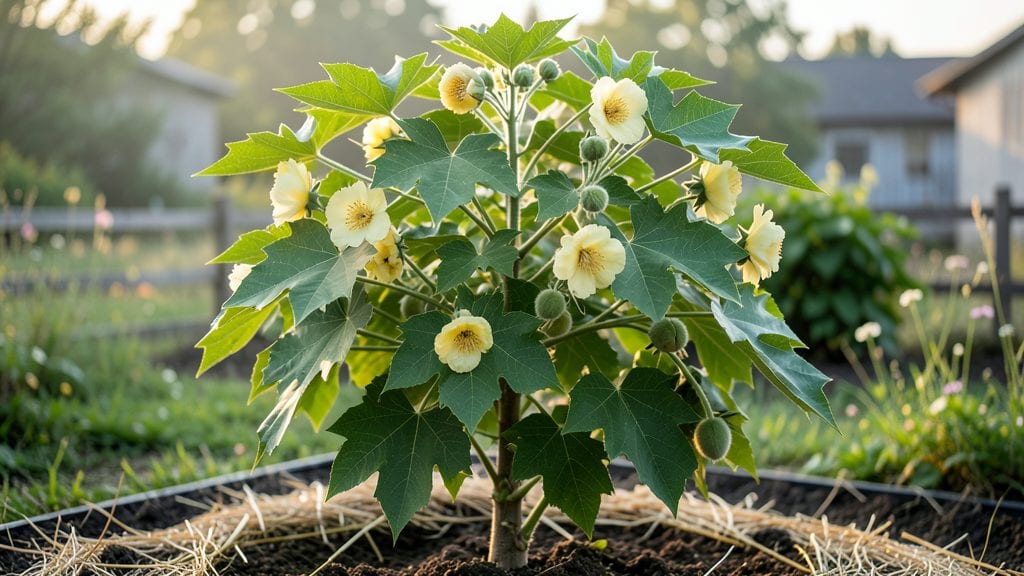
Cultivating a cotton seed tree from seed demands warm soil temperatures, steady moisture levels, and direct sunlight exposure. Begin sowing seeds indoors 8-10 weeks before your last frost date, bury them just ½ inch deep, and only transplant hardened-off seedlings once frost risk has passed. Regular pruning in early growth stages promotes sturdy branch development while minimizing vulnerability to common pests like aphids or cotton root rot.
Cotton seed trees thrive in regions with hot summers and mild winters, making them perfect for USDA zones 7-11. 🔥 The key to success lies in mimicking their natural habitat—well-draining, slightly acidic soil (pH 6.0-7.5) prevents root rot while allowing proper oxygen flow.
Unlike mature specimens that tolerate brief dry spells, young seedlings need consistent moisture to establish strong roots before they can handle drought conditions. I've found that starting seeds in biodegradable pots eliminates transplant shock when moving them outdoors, and spacing them 15-20 feet apart improves airflow to prevent fungal diseases.
What sets cotton seed trees apart is their dual-purpose nature—while they produce decorative cotton bolls, their fast growth rate (up to 3 feet annually) makes them excellent windbreaks. The real challenge comes during their first two years when they're most susceptible to pest infestations.
A weekly inspection for early signs of aphids or spider mites, combined with preventive applications of neem oil, can save your young tree from serious damage. For those in cooler climates, consider overwintering seedlings indoors under grow lights until spring planting.
💡 In This Article
- Optimal Growing Conditions for Cotton Seed Trees
- Troubleshooting Common Cotton Seed Tree Problems
Optimal growing conditions for cotton seed trees
Cotton seed trees thrive in USDA zones 7-11, where hot summers (70-90°F) and mild winters create ideal conditions. The key factor is replicating their native habitat—dry, subtropical climates with well-draining soil that prevents waterlogging.
Here's what's actually happening: these trees evolved in regions where heavy rainfall is rare, so their root systems develop extensive lateral spreads to access moisture while avoiding waterlogged conditions that cause cotton root rot.
The soil pH should stay between 6.0-7.5—slightly acidic to neutral—to optimize nutrient availability, particularly nitrogen and phosphorus.
The sunlight requirement is non-negotiable: 6+ hours of direct sunlight daily is essential for photosynthesis and cotton boll production. Young seedlings can tolerate partial shade (30-50% sunlight) during their first year, but mature trees need full sun to develop their characteristic 3-5 foot annual growth rate.
What most people don't realize is that cotton seed trees have a unique C4 photosynthetic pathway, which makes them more efficient at converting sunlight to energy in hot conditions than many other trees. This is why they thrive in southern climates where temperatures often exceed 90°F during summer.
Drought tolerance varies dramatically by maturity stage. Seedlings and young trees (3 years old) require consistent moisture—watering every 2-3 days during dry spells—to establish deep root systems.
Once established, mature trees can survive 30-45 days without rain due to their extensive root networks, but their leaves will curl and drop under severe drought stress. Proper spacing (15-20 feet apart) is critical because it improves airflow, reducing humidity levels around the foliage.
High humidity creates perfect conditions for powdery mildew and other fungal diseases that thrive in cotton's dense foliage.
Temperature plays a dual role in cotton seed tree cultivation. For germination, soil temperatures must stay between 70-90°F—below 65°F, seeds may not sprout, while above 95°F can cause seed desiccation. Mature trees handle heat exceptionally well, with some varieties tolerating brief exposures to 105°F without permanent damage.
However, young trees are sensitive to cold snaps below 25°F, which can cause leaf scorch or even kill the plant. This is why starting seeds indoors 8-10 weeks before last frost gives them a head start in warmer conditions.
Here's a practical tip: test your soil's drainage by filling a container with your garden soil and water. If water pools at the surface after 10 minutes, amend with 20-30% perlite or coarse sand to improve drainage.
For container growing, use a mix of 60% potting soil, 20% perlite, and 20% compost—this combination prevents compaction while providing essential nutrients. The right soil mix makes all the difference in preventing root rot, which is the #1 killer of young cotton seed trees in humid climates.
One advanced consideration is wind exposure. While cotton seed trees make excellent windbreaks, strong winds (> 15 mph) can damage young, flexible stems. If you're planting in windy areas, consider using bamboo stakes for support during the first 12-18 months of growth.
The trade-off is worth it—their rapid growth means they'll quickly outpace most wind damage once established. 🌬️