Plants
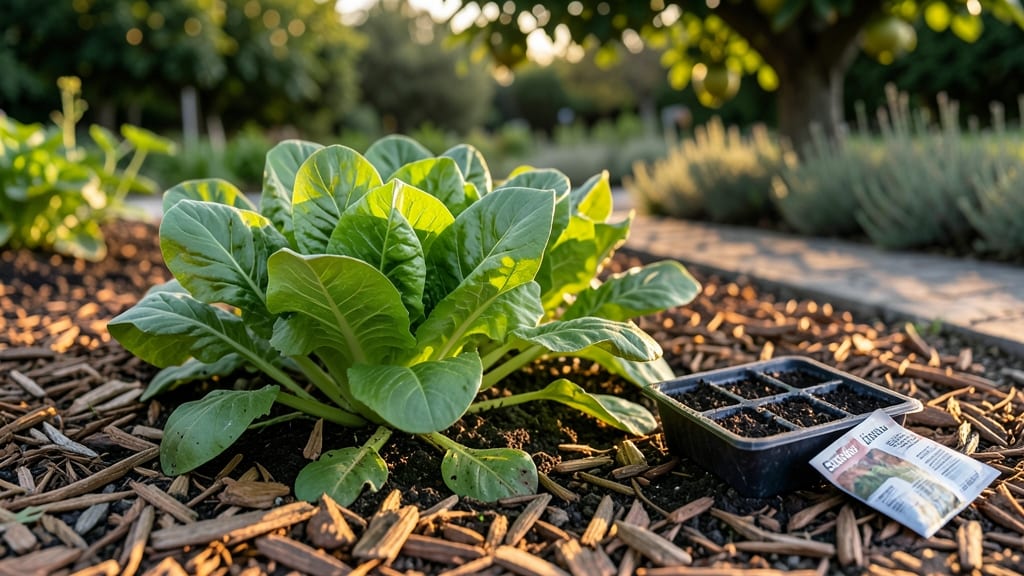
You shouldn't plant seeds in mulch because it creates a barrier that prevents proper soil contact, traps excess moisture, and delays germination. Instead, sow seeds in loose, well-draining soil first, then add mulch only after seedlings have established themselves.
Mulch serves as an excellent soil protector once plants are established, but its dense texture works against seeds trying to sprout. 🌱 The organic matter in mulch can compact over time, smothering delicate seedlings before they break through the surface.
I’ve seen gardeners accidentally bury seeds too deep when mixing mulch with soil, which further reduces their chances of emerging. For best results, prepare a dedicated seedbed with loose, nutrient-rich soil before introducing any mulch layer.
If you’re eager to use mulch for moisture retention, consider waiting until seedlings have at least 2-3 sets of true leaves before applying a thin layer around them.
This gives roots the chance to establish while still benefiting from the mulch’s protective properties later in the season. Straw or shredded leaves make excellent light mulches for established plants but should never replace proper seedbed preparation.
💡 In This Article
- How Mulch Affects Seed Germination and Root Development
- Best Mulch Alternatives for Seedlings and Young Plants
How mulch affects seed germination and root development
Mulch disrupts germination primarily by creating a physical barrier between seeds and the soil. When seeds are planted directly in mulch, they often end up buried too deep—typically 1-2 inches below the surface instead of the ideal ½ inch for most seeds.
This depth prevents adequate light penetration, which triggers the photomorphogenesis process that signals seeds to germinate. Without light, seeds may remain dormant or rot from trapped moisture.
The moisture dynamics shift dramatically too. While mulch retains water in established gardens, it can suffocate seeds by creating an anaerobic environment. Organic mulches like wood chips break down and form a dense mat that blocks oxygen exchange, slowing microbial activity that normally helps break down seed coats.
In contrast, bare soil allows oxygen to reach seed roots, promoting healthy cellular respiration during germination. 🌱
Temperature fluctuations also become problematic. Mulch acts as an insulator, keeping soil temperatures more stable—but this stability can be too extreme for germinating seeds. Many seeds require 60-85°F soil temperatures to sprout; mulch can either trap excessive heat (raising temps above 90°F) or prevent warming in cool climates.
The result? Seeds either bake or fail to activate their metabolic processes.
Seedling roots face another challenge: the mulch's resistance to penetration. Young roots need loose soil to explore and establish a strong network. When planted in mulch, seedlings often develop shallow, weak root systems because they can't push through the fibrous material.
This makes them more susceptible to wind, drought, and disease once they emerge.
Consider this comparison: planting marigold seeds in mulch versus loose soil. In mulch, germination rates drop by 40-60% due to poor contact and moisture imbalance, while in prepared soil, seeds achieve 90%+ success.
The difference comes down to the soil's ability to maintain proper aeration, moisture, and temperature gradients that seeds need to thrive.
What most gardeners don't realize is that mulch's benefits—like weed suppression and moisture retention—only kick in after plants are established. For seeds, the priority is direct contact with mineral-rich soil where roots can anchor immediately.
Once seedlings reach the 2-leaf stage, a 1-inch mulch layer becomes helpful without the risks.