Propagation
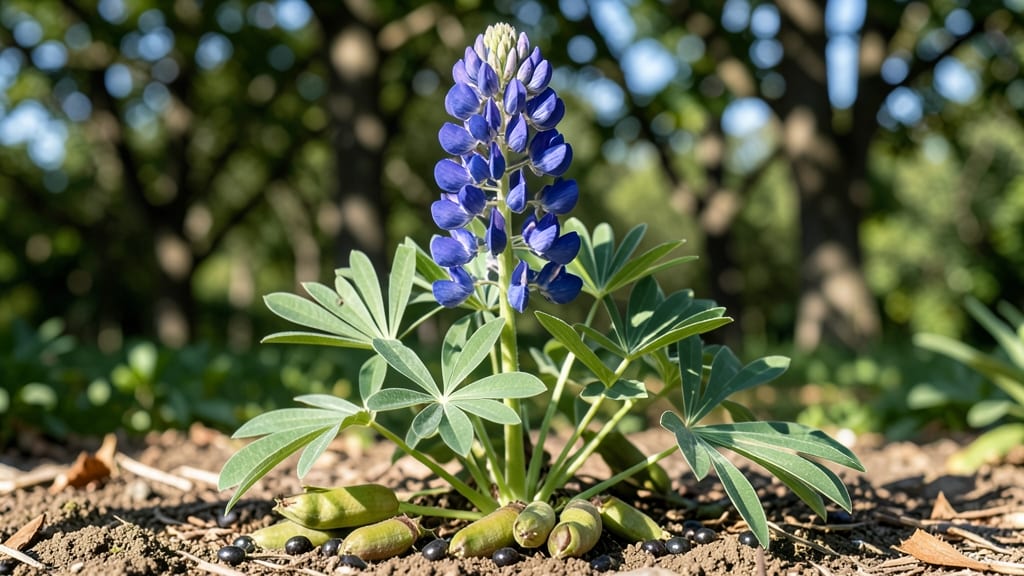
Yes, seeds can reproduce by germinating into new plants when they receive the right conditions—moisture, warmth, and light—though some seeds may stay dormant or fail to sprout due to environmental or physical barriers.
Germination kicks off when a seed absorbs water, swelling and breaking its protective shell to form a tiny root called a radicle. 🌱 This process relies on enzymes activating inside the seed, which convert stored nutrients into energy for growth.
The right temperature range (usually 60–85°F) keeps this metabolic activity steady, while light triggers chlorophyll production in some species, helping seedlings establish photosynthesis early.
Not all seeds follow this path, though. Some require scarification (like cracking their hard outer layer) or stratification (a cold period) to break dormancy. Even with perfect conditions, older seeds may lose viability over time, which is why gardeners often store them in cool, dry places.
Understanding these quirks helps you maximize your chances of successful propagation.
💡 In This Article
- The Science Behind Seed Germination and Plant Reproduction
- Factors That Prevent Seeds from Germinating Successfully
The science behind seed germination and plant reproduction
Germination begins when a seed absorbs water through its micropyle, a tiny pore in its outer shell.
This triggers metabolic reactions that convert stored starches into sugars, fueling the growth of the embryonic plant. 🌱 The seed's radicle (primary root) emerges first, anchoring the seedling and absorbing water and nutrients from the soil.
This process relies on enzymes like amylase, which break down complex carbohydrates into simpler forms the seedling can use for energy.
The ideal germination temperature varies by species—cool-season crops like lettuce thrive at 55–65°F, while warm-season plants such as tomatoes prefer 70–85°F. Light plays a dual role: some seeds (like sunflowers) need light to germinate, while others (like peas) sprout better in darkness.
This is why gardeners often bury seeds at different depths—too shallow or deep can disrupt the process. For example, large seeds like beans need 1–2 inches of soil cover, while tiny seeds like carrots should be barely covered.
Genetic inheritance determines how quickly and successfully a seed germinates. Offspring inherit traits from their parents, including dormancy periods or sensitivity to light. 💫 For instance, maple seeds are adapted to germinate only after a cold winter period (stratification), mimicking their natural life cycle.
This ensures they sprout during spring's favorable conditions. Meanwhile, some seeds release chemicals called allelopathics to inhibit competing plants, giving their seedlings a head start in the ecosystem.
Once the radicle breaks through the seed coat, the hypocotyl (the stem above the root) pushes upward, often in a looping motion called epigeal germination (seen in beans) or straight up (hypogeal germination, like in peas).
This stage is critical—seedlings must establish leaves for photosynthesis within 7–14 days, or they risk depleting their stored energy reserves. The transition from heterotrophic (relying on seed nutrients) to autotrophic (using sunlight) marks the seedling's independence as a self-sustaining plant.
Not all seeds follow this path immediately. Some enter a state of dormancy, a survival mechanism triggered by environmental cues like dryness or cold. 🌿 For example, milkweed seeds require exposure to smoke to break dormancy, mimicking the natural fires that clear competitors in their prairie habitats.
This adaptation ensures seeds germinate only when conditions are optimal for survival. Even after dormancy breaks, factors like soil pH or microbial activity can influence germination rates, making gardening both a science and an art.