Flowers
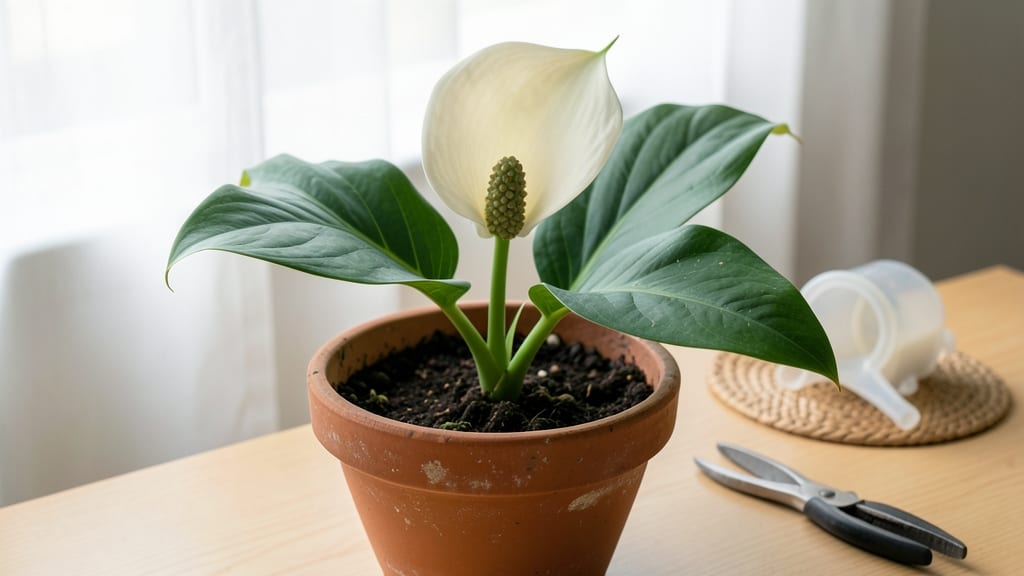
The seeds inside calla lily flowers are sterile and won’t grow because these plants reproduce through underground rhizomes instead. Those tiny black specks are sterile ovules, not true seeds. For successful growth, plant the rhizomes in well-draining soil during spring.
The calla lily's ornamental beauty comes at a reproductive cost—its flowers are bred for show, not seed production. 🌸 Unlike seed-bearing plants, calla lilies (Zantedeschia species) rely entirely on rhizomes (thick underground stems) to multiply.
These sterile ovules serve no purpose beyond attracting pollinators, which explains why you'll never get new plants from seeds. The good news? Rhizomes are easy to propagate once you understand their needs—spring planting in loose, sandy soil gives them the best start.
Here's why this matters: those black "seeds" you see are just nature's failed attempt at reproduction. 💫 The plant's energy goes into producing showy blooms instead.
For gardeners, this means focusing on rhizome division—cutting mature tubers into sections with at least one growth node each—rather than trying to grow from seeds. Even if you did find viable seeds (which you won't), they'd likely produce weak, inconsistent plants compared to the robust growth from healthy rhizomes.
💡 In This Article
- Why Calla Lilies Don’t Produce Viable Seeds
- Best Methods to Grow Calla Lilies From Rhizomes
Why calla lilies don’t produce viable seeds
Here's what's actually happening: those tiny black specks in calla lily flowers are sterile ovules, not true seeds. Most commercial calla lilies (Zantedeschia aethiopica) are cultivars bred specifically for their striking blooms—not reproduction.
Unlike wild plants that evolve to produce viable seeds, these hybrids prioritize ornamental traits, leaving their reproductive structures non-functional. The plant's energy goes into developing showy spathes (the modified leaf that looks like a flower) rather than seed development.
The key difference lies in their reproductive biology. True seeds require fertilization between male and female parts, followed by embryo development inside the ovary. In calla lilies, the flower's structure—particularly the spathe and spadix—lacks functional stamens or pistils capable of producing fertile seeds.
Even if pollination occurred (which rarely happens in cultivated varieties), the ovules wouldn't develop into viable embryos. For comparison, peace lilies (Spathiphyllum) produce seeds because they retain functional reproductive organs, whereas calla lilies have been selectively bred to eliminate this trait.
What most people don't realize is that these sterile ovules serve an evolutionary purpose: they mimic seeds to attract pollinators. Birds and insects may briefly investigate these structures, thinking they're food sources, but no actual reproduction occurs.
This is similar to how some orchids produce sterile "pseudobulbs" that trick pollinators into visiting. The science behind this involves apomixis (asexual reproduction) being suppressed in favor of vegetative growth through rhizomes—nature's way of ensuring the plant's survival through underground stems rather than risky seed dispersal.
Temperature and light conditions also play a role in why seeds fail to develop. Calla lilies thrive in warm climates (USDA zones 8-11), where their natural growth cycle aligns with spring planting.
However, the conditions that trigger flowering (typically 12+ hours of daylight and temperatures above 70°F) don't support seed maturation. In cooler regions, even if seeds formed, they'd lack the energy reserves needed for germination—another reason why rhizome propagation is the only reliable method.
For gardeners, this means focusing on rhizome division instead of seed collection. Each mature rhizome contains growth nodes that can sprout into new plants when planted in well-draining soil. These underground stems store nutrients and can remain dormant for months, unlike seeds that require immediate germination.
The texture of healthy rhizomes is firm and slightly woody, with visible "eyes" (growth points) that should face upward when planting—critical for successful propagation.
Consider this comparison: while plants like tomatoes or marigolds produce seeds that can be saved and grown, calla lilies follow a different strategy. Their entire lifecycle depends on rhizome expansion—each year, the rhizome grows larger, producing more shoots and flowers.
This vegetative reproduction ensures genetic consistency, which is why nursery-grown calla lilies look identical to their parent plants, unlike seed-grown varieties that might show unexpected traits.