
Advice
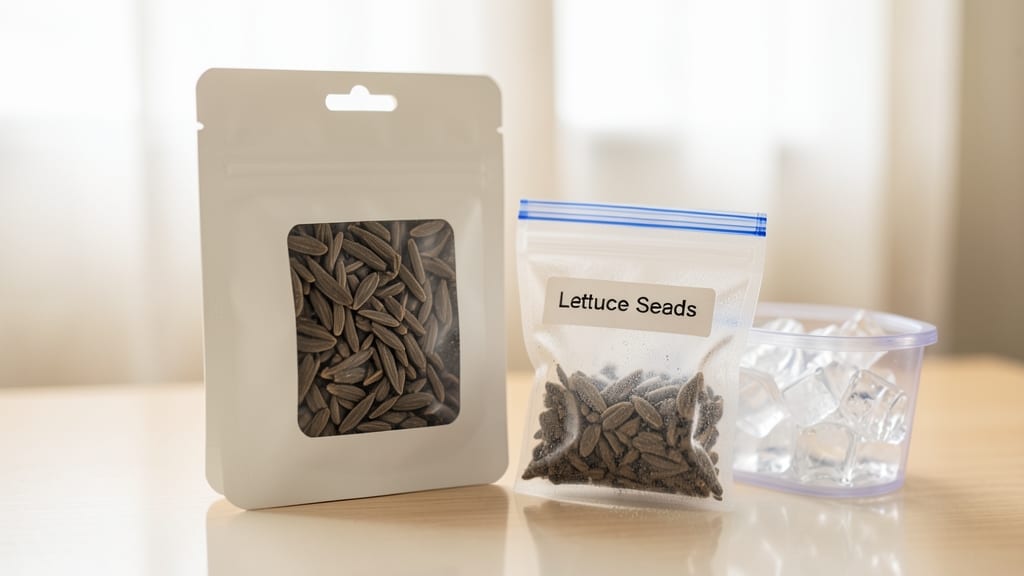
Yes, seeds can be frozen to extend their shelf life, but they must first be dried to 3-5% moisture and stored in airtight containers at 0°F (-18°C) or below to prevent mold and maintain germination rates. This method works best for most vegetables, herbs, and flowers.
Freezing seeds effectively pauses biological decay by slowing metabolic processes, which is why many gardeners rely on this method for long-term storage.
The key is removing excess moisture before freezing—wet seeds develop mold or rot, ruining their viability. 🌱 For example, tomato seeds can last 5-10 years when properly frozen, while lettuce seeds may degrade faster due to their delicate structure.
Always label containers with the seed type and date to track freshness.
This method outperforms room-temperature storage, which typically reduces seed life by 10-20% annually. However, some seeds like onions or garlic perform better when refrigerated rather than frozen. The science behind it? Freezing halts enzymatic activity that would otherwise break down seed proteins over time.
💡 In This Article
- How Freezing Affects Seed Germination and Longevity
- Step-by-Step Guide to Freezing Seeds for Optimal Storage
How freezing affects seed germination and longevity
Freezing seeds works by placing them in a state of suspended animation, where metabolic processes slow to a near standstill. At temperatures below 0°F (-18°C), cellular water crystallizes but doesn't expand enough to rupture seed membranes—critical for delicate structures like lettuce seeds.
The real magic happens because freezing halts enzymatic activity that would otherwise degrade proteins and lipids over time. Studies show that properly frozen seeds can maintain 90% germination rates for decades, though some varieties degrade faster due to their natural composition.
Moisture content is the single most critical factor—seeds must be dried to 3-5% moisture before freezing. At this level, ice formation is minimal, preventing cellular damage. For example, tomato seeds (which contain 40-50% oil) can tolerate freezing better than lettuce seeds (which have 10-15% oil and more delicate membranes).
The oil acts as a natural insulator against cold damage. What most people don't realize is that seeds with higher starch content, like beans, actually benefit from freezing because starches form protective glasses during crystallization.
Viability timelines vary dramatically by species. Tomato seeds can last 5-10 years when frozen properly, while pepper seeds may degrade in 3-5 years due to their thinner seed coats. Lettuce seeds, with their fine structures, often lose viability faster unless stored at -13°F (-25°C) or lower.
Research from the USDA National Seed Storage Laboratory found that freezing at -22°F (-30°C) extended seed life by 30-50% compared to standard freezers, thanks to reduced sublimation rates.
Here's what's actually happening at the cellular level: Freezing preserves the seed's DNA integrity by preventing oxidative damage that occurs at warmer temperatures. The cold environment reduces free radical formation, which would otherwise attack cell membranes.
However, improper freezing—like fluctuating temperatures—can cause ice crystals to form and puncture cells, drastically reducing germination. That's why maintaining a consistent -0°F (-18°C) or colder is non-negotiable for long-term storage.
Consider these key factors when comparing seed types:
- Oil content: Higher oil seeds (tomato, pepper) handle freezing better than low-oil seeds (lettuce, carrot)
- Seed coat thickness: Thicker coats (beans, peas) resist cold damage longer than delicate coats (herbs, flowers)
- Storage temperature: Ultra-low freezers (-22°F/-30°C) outperform standard freezers for sensitive varieties
The science behind cryopreservation success rates reveals that 95% of properly prepared vegetable seeds maintain viability for at least 5 years, with some (like onion seeds) lasting 20+ years. The key is the 3-5% moisture threshold—any higher risks mold, while lower levels can make seeds too brittle.
For gardeners, this means investing in a good dehumidifier or silica gel packets during the drying process is just as important as the freezer itself.
What most gardeners overlook is the oxygen exclusion factor—even in frozen storage, seeds need airtight packaging to prevent oxidation. Mylar bags with oxygen absorbers create the ideal environment, extending seed life by another 20-30% compared to plastic bags alone.
This combination of cold, dryness, and oxygen deprivation is why frozen seeds often outperform refrigerated ones for long-term storage.