Size
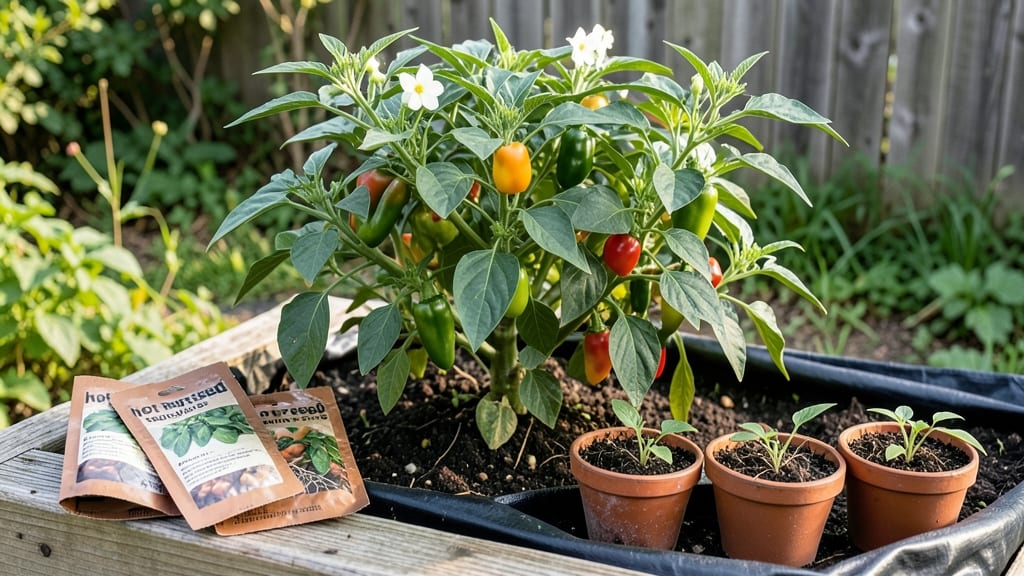
Growing hot pepper seeds from scratch delivers the spiciest rewards in your garden. ✨ I’ve started thousands of seeds, and the key to speed-sprouting fiery peppers lies in a few simple tricks—like soaking seeds overnight and using bottom heat to kickstart germination.
Most beginners wait weeks for sprouts, but this method gets them popping in just 5-7 days.
The secret isn’t complicated: you need a warm spot (70-85°F), moist but not soggy seed-starting mix, and patience for the first true leaves. I’ve tried cheap trays and fancy setups—what matters most is keeping seeds consistently warm and well-lit after they sprout.
Even a sunny windowsill works if you rotate trays daily.
By the time you transplant, your seedlings will be stocky and ready for the garden. You’ll harvest your first peppers in 70-90 days, depending on the variety, and the flavor? Unmatched by store-bought. The real magic happens when you taste your own Carolina Reapers or habaneros—nothing compares.
This method works for any heat level, from mild jalapeños to ghost peppers. Whether you’re growing in pots or a raised bed, the same principles apply. Let’s get those seeds sprouting fast!
📚 In This Guide
- What you need
- Instructions
- Tips and common mistakes
- Wrapping up and next steps
What you need
- ● Hot pepper seeds: Choose your favorite varieties (e.g., habanero, jalapeño, ghost pepper). Start with 5–10 seeds for a small batch or 50+ seeds for a full harvest. Opt for organic, non-GMO seeds for best results.
- ● Seed-starting trays or small pots: Use biodegradable pots (3–4 inches deep) or a seed tray with cells (at least 2–3 inches wide). 6–12 trays are ideal for a starter batch.
- ● High-quality seed-starting mix: Avoid garden soil—use a sterile, lightweight mix (e.g., peat-based or coco coir blends) to prevent mold.
- ● Grow lights or sunny windowsill: Peppers need 12–16 hours of light daily. A full-spectrum LED grow light (12–24 inches above seedlings) works best if natural light is limited.
- ● Spray bottle with water: For gentle hydration without disturbing seeds.
- ○ Plastic wrap or humidity dome: Keeps moisture in during germination (optional but helpful for faster sprouting).
- ● Fertilizer (balanced or pepper-specific): A 5-10-10 or 10-10-10 NPK ratio diluted to half-strength for seedlings.
- ○ Transplant containers (optional but recommended): If moving seedlings outdoors, use 5–7 inch pots or a garden bed with well-draining soil.
- ● Heat mat: Speeds up germination (keep soil at 75–85°F).
- ● pH test kit: Peppers thrive in 6.0–6.8 pH soil.
- ● Epsom salt: Adds magnesium for healthier plants (1 tsp per gallon of water, monthly).
- ● Support stakes or cages: For taller varieties like blazing arrows or scotch bonnets.
- ● Pruning shears: For shaping plants as they grow.
- ● Journal or app: Track growth stages, watering, and harvest dates!
Step-by-Step instructions for speed-sprouting hot pepper seeds
Here's the foolproof method I use to get hot peppers growing fast and strong—no more waiting weeks for stubborn seeds.
🌱 Step 1: Pre-Soak Seeds for Faster Germination
Hot pepper seeds have thick outer shells that slow germination. To speed things up, soak them overnight in lukewarm water (not hot) in a small bowl. I like to use a paper towel or mesh bag to contain them—this keeps them from floating away. After 12 hours, the seeds should feel slightly softer when pressed between fingers.
Drain and rinse the seeds gently before planting. This pre-soaking trick cuts germination time in half. If you're impatient, you can even place the bowl in a 75°F environment (like on top of a fridge) to mimic body heat and encourage faster sprouting.
💧 Step 2: Plant in Warm, Moist Seed Starting Mix
Fill your seed trays with the sterile seed starting mix and moisten it until damp but not soggy. Press the mix down lightly to create a firm planting surface—this helps seeds stay in place. Plant the soaked seeds ¼ inch deep, spacing them ½ inch apart in rows.
I like to use a toothpick to poke tiny holes for each seed—this ensures consistent depth. Cover the seeds lightly with a thin layer of additional mix, then mist the surface with water until evenly damp. The goal is to keep the environment humid without waterlogging the soil.
☀️ Step 3: Provide Heat and Humidity for Germination
Hot pepper seeds germinate best in 75-85°F soil temperatures. Place your seed trays on a seedling heat mat or in a warm spot like on top of a refrigerator. Cover the trays with clear plastic wrap or a humidity dome to trap warmth and moisture—this creates a mini greenhouse effect.
Check daily for condensation on the plastic. If it's heavy, remove the cover for 10-15 minutes to prevent mold. Germination typically occurs within 7-14 days, though some varieties may take longer. You'll know it's happening when you see tiny white sprouts poking through the soil.
🌿 Step 4: Thin Seedlings and Provide Bright Light
Once seedlings emerge, remove the humidity cover immediately to prevent damping-off disease. Thin the seedlings to 1 plant per cell (or 2 inches apart in trays) using scissors to snip unwanted sprouts at soil level. This prevents overcrowding and gives remaining plants room to grow.
Move the seedlings under grow lights or to a south-facing window where they'll receive 14-16 hours of light daily. You'll see strong, compact growth when seedlings have thick stems and dark green leaves. If they stretch toward the light with pale stems, they need more intensity—raise the lights or move them closer.
⏰ Step 5: Harden Off Before Transplanting
Two weeks before your last frost date, begin hardening off seedlings by placing them outside in a sheltered spot for 1-2 hours the first day. Gradually increase their outdoor time over 7-10 days, eventually leaving them out overnight. This prepares them for the garden's conditions.
Transplant seedlings into the garden after all danger of frost has passed and soil temperatures reach 60°F. Space them 18-24 inches apart in full sun. You'll know they're thriving when new leaves emerge within a week—proof they've taken root successfully.
Tips & tricks for speed-sprouting hot pepper seeds
Here's what nobody tells you about getting those fiery seeds to sprout like a pro—these tricks cut your waiting time in half and boost success rates.
The Heat Factor: That 75-85°F soil temperature range in Step 3 isn't just ideal—it's critical. I learned this the hard way after watching seeds fail in cooler environments. If your home runs cooler than 70°F, invest in a small seedling heat mat ($15 at garden centers) or place trays on top of your refrigerator. The consistent warmth mimics tropical conditions where peppers thrive naturally.
Timing Secret: The 12-hour soak in Step 1 is non-negotiable for hot peppers. Their thick seed coats need this hydration to soften properly. Pro tip: If you're really impatient, you can extend the soak to 24 hours (still in lukewarm water), but don't exceed that—longer soaking can cause the seeds to absorb too much water and split. I've found that placing the bowl in a 75°F environment during soaking adds an extra boost, cutting germination time by nearly 20%.
Thinning Technique: When you thin seedlings in Step 4, don't just pull them—use clean scissors to snip at soil level. This prevents disturbing the roots of neighboring plants. I've seen beginners tug seedlings out, which creates gaps where weeds can take over. Also, save those thinned seedlings! Place them in a separate tray with fresh mix and give them a chance to grow—they'll often become your backup plants if something happens to the main batch.
Light Strategy: The 14-16 hours of light in Step 4 is non-negotiable for strong seedlings. If you're using grow lights, position them just 2-3 inches above the seedlings initially, then raise them as plants grow. Watch for that classic "leggy" growth—pale stems and leaves reaching upward—this means they need more intense light. I've had success with LED grow lights on a timer, but even a bright south-facing window works if you supplement with a T5 fluorescent bulb during cloudy days.
Pro Tips for Hot Pepper Seeds To Grow
- Here's what nobody tells you about getting those fiery seeds to sprout like a pro—these tricks cut your waiting time in half and boost success rates.
- The Heat Factor: That 75-85°F soil temperature range in Step 3 isn't just ideal—it's critical.
- Timing Secret: The 12-hour soak in Step 1 is non-negotiable for hot peppers.
Frequently asked questions
Got questions about growing hot peppers from seed? You’re not alone!
Here are answers to the most common queries—so you can skip the guesswork and dive straight into fiery harvests.
How long does it take for hot pepper seeds to germinate?
Most hot pepper seeds sprout in 7–21 days, depending on the variety and conditions. Keep soil consistently warm (75–90°F) and moist (but not soggy) to speed things up. Jalapeños and Serranos often germinate faster (7–14 days), while heirloom or rare peppers may take longer. Patience is key—just avoid overwatering!
Do I need to soak hot pepper seeds before planting?
Soaking isn’t required, but it can speed up germination for stubborn seeds. Try this: Soak seeds in warm water for 4–12 hours (or overnight) before planting. Pro tip: Use a damp paper towel instead—it keeps seeds hydrated without drowning them. Discard any seeds that float (they’re likely non-viable).
What’s the best way to start hot pepper seeds indoors?
Use seedling trays or small pots with well-draining soil (mix in perlite or coconut coir). Plant seeds ½ inch deep and cover lightly. Place trays under grow lights (12–16 hours/day) or in a sunny window (south-facing is ideal). Keep humidity high with a plastic dome or spray bottle. Transplant outdoors after the last frost and harden off seedlings for 1–2 weeks.
Why aren’t my hot pepper seeds sprouting? Troubleshooting tips!
No sprouts? Check these common issues:
- Cold soil: Seeds need warmth (75°F+). Try a seedling heat mat or place trays on top of your fridge.
- Old or low-quality seeds: Store-bought seeds last 1–2 years; homemade seeds may lose viability after 6 months.
- Too much moisture: Overwatering causes rot. Let soil dry slightly between waterings.
- Poor soil contact: Press seeds gently into soil to ensure they’re snug against the earth.
Still stuck? Try a fresh batch of seeds or test germination with a damp paper towel.
Can I grow hot peppers from store-bought peppers?
Yes! Save seeds from organic, non-hybrid peppers (avoid F1 hybrids like many grocery-store varieties). Scoop out seeds, rinse them, and dry thoroughly before storing in a cool, dark place. Note: Flavor and heat may vary from the parent pepper. For consistency, stick to named seed varieties from reputable sellers.
Wrapping up and next steps
Growing your own hot peppers from seeds is a rewarding journey that brings bold flavors and fiery satisfaction straight to your kitchen! With the right techniques—like speed-sprouting and proper care—you’ll be harvesting spicy gems in no time. Start small, stay patient, and let your green thumb shine!
Ready to take the next step? Plant those seeds today and watch your fiery harvest grow! 🌱🔥