
Trees
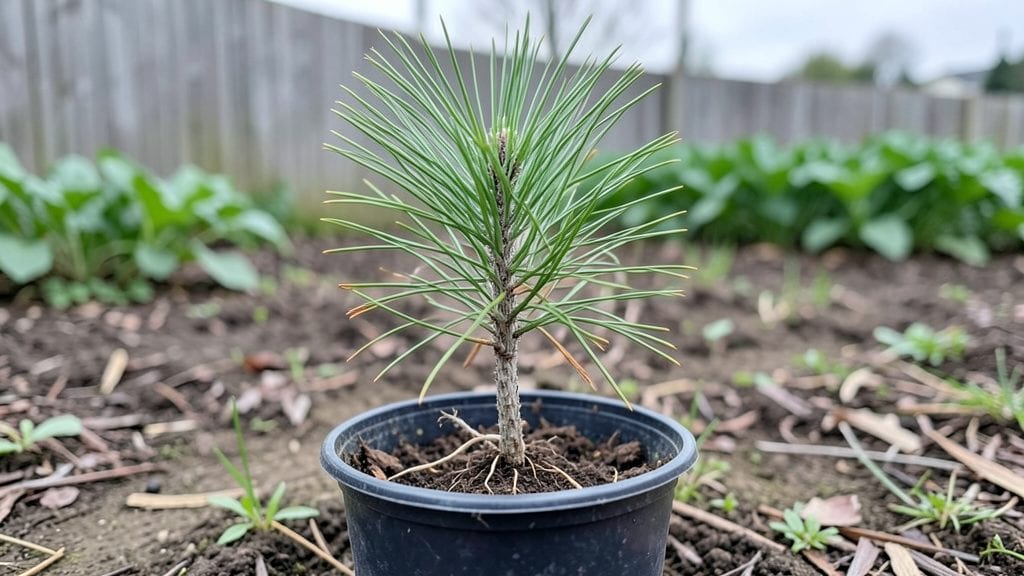
Caring for pine seedlings starts with the right approach—because these little trees won’t tolerate mistakes the way annuals do. 🌲 I’ve lost count of the seedlings I’ve drowned or left in too much shade, but after years of trial and error, I’ve cracked the code for keeping them alive through their first critical year.
The secret isn’t complicated: pine seedlings need well-draining soil, bright light, and gentle watering—none of the fuss other plants demand. Most people overwater or bury them too deep, which leads to rot or stunted growth.
With the right setup, you’ll see them grow 6-12 inches in their first season, sturdy enough to handle transplanting.
You’ll end up with vigorous young trees that resist pests and drought once established. The needles stay bright green, the roots spread deep, and you avoid the heartbreak of seeing them wilt after just a few weeks. Here’s how to set them up for success from day one.
This works for both container-grown seedlings and those planted directly in the ground, whether you’re starting with nursery stock or growing from seed. Let’s get those little pines thriving!
📚 In This Guide
- What you need
- Instructions
- Tips and common mistakes
- Wrapping up and next steps
What you need
- ● Pine seedlings: 1–3 young seedlings (choose disease-resistant varieties like Pinus strobus or Pinus sylvestris for best results).
- ● Well-draining soil: A mix of 50% peat moss, 30% perlite or coarse sand, and 20% compost (1–2 gallons per seedling).
- ● Containers: 3–5 gallon pots with drainage holes (or a nursery bed if planting outdoors).
- ● Watering can or hose: With a gentle spray nozzle to avoid damaging delicate roots.
- ● Slow-release fertilizer: Balanced 10-10-10 or pine-specific formula (1 tbsp per gallon of soil).
- ● Mulch: 1–2 inches of organic mulch (pine bark or straw) to retain moisture.
- ● Gloves: To protect hands from soil and sap.
- ● Pruners: Small, sharp bypass pruners for trimming (sterilized with rubbing alcohol).
- ● pH test kit: To ensure soil pH is between 5.0–6.5 (pine seedlings prefer slightly acidic soil).
- ● Shade cloth: 30–50% coverage for seedlings in hot climates.
- ○ Tree stake (optional): For windy areas (1 per seedling if needed).
- ● Fungicide: Copper-based spray (for prevention of fungal diseases).
Step-by-Step instructions for nurturing young pine seedlings
Here's how to give your new pine seedlings the best start—no guesswork, just proven care.
🌱 Step 1: Prepare the Planting Site for Success
Choose a spot with well-draining soil and partial shade for the first year—full sun can scorch tender seedlings. I dig a hole twice as wide as the root ball but only as deep as the container the seedling came in. This prevents burying the trunk too deeply, which can strangle the tree as it grows.
Loosen the soil at the bottom of the hole with a trowel so roots can spread easily. If your soil is heavy clay, mix in a handful of coarse sand or perlite to improve drainage. Pines hate soggy feet, and waterlogged roots will kill even the hardiest seedling within weeks.
💧 Step 2: Water Deeply but Sparingly
Water the seedling thoroughly at planting, letting the soil absorb moisture until it's damp 6-8 inches deep. You'll know it's right when water runs out the drainage holes—this ensures roots get established immediately. After that, water only when the top 2 inches of soil feel dry to the touch.
I use a slow drip from a watering can to avoid disturbing the soil around the roots. Overwatering is the #1 killer of pine seedlings—yellowing needles or wilting are your warning signs to cut back. Mulch lightly with 2-3 inches of organic matter (like pine needles or bark) to retain moisture without suffocating the base.
☀️ Step 3: Shield from Harsh Elements
Protect seedlings from strong winds and direct afternoon sun for the first year. I wrap a lightweight shade cloth (50% block) around the base or use a small tree guard to diffuse harsh light. Pines grow best in morning sun and afternoon shade, especially in hot climates.
Check daily for signs of stress—needles turning brown or curling mean it's too hot or dry. If you see this, move the seedling to a shadier spot immediately. Young pines are sensitive, but with this protection, they'll develop strong root systems and sturdy branches within 6-12 months.
✂️ Step 4: Prune and Monitor for Health
Wait until the seedling is at least 12 inches tall before pruning—this usually takes 1-2 years. Remove only dead, broken, or crossing branches with clean, sharp pruners. I make cuts just above a healthy bud or branch collar to encourage proper healing.
Watch for pests like spider mites or aphids—you'll spot them as tiny webs or sticky residue on needles. Spray with water first; if that doesn't work, use an organic insecticidal soap. Healthy pines rarely need chemical treatments, but early intervention prevents long-term damage.
⏰ Step 5: Gradually Acclimate to Full Sun
After 12-18 months, when the seedling shows strong new growth, start moving it toward full sun. I begin by removing the shade cloth for a few hours each day, then gradually increase exposure over 2-3 weeks. This slow transition prevents sunburn and lets the tree adjust naturally.
By the end of the second year, your pine should be ready for full sun. You'll see it in the deep green needles, upright growth, and lack of stress signs. Keep watering consistently but let the soil dry slightly between waterings—this builds drought tolerance for years to come.
Tips & tricks for perfect pine seedling care
Here's what I've learned after helping countless pine seedlings thrive—these little details make all the difference between a struggling sapling and a strong, healthy tree.
Soil Prep Secret: In Step 1, when loosening the soil at the bottom of the hole, go a little deeper than you think you need. Roots will naturally follow the path of least resistance, and that extra space encourages them to spread out horizontally for better stability. I like to use my fingers to break up any compacted soil—it's like giving your tree's roots a warm welcome party.
Watering Wisdom: The 6-8 inch deep watering in Step 2 might seem like a lot, but trust me on this—it's what gets those roots reaching down where they need to go. I test depth by sticking my finger in; if it comes out dry at 6 inches, water again. And here's the thing: morning watering is always better than evening. You want that moisture to soak in during the day, not sit around inviting fungal problems overnight.
Shade Strategy: For Step 3, don't just slap on that shade cloth—position it so it blocks the most intense afternoon sun while still allowing some light through. I've seen people make the mistake of using black plastic or heavy materials that trap too much heat. A lightweight 50% block cloth lets just enough light through for photosynthesis while protecting delicate needles. And remember, you can always adjust it as your seedling grows taller.
Pruning Pro Tip: When you finally reach Step 4 and it's time to prune, take your time with those cuts. I always make sure my pruners are sharp first—dull blades can crush stems instead of making clean cuts. And here's a trick: if you're unsure about a cut, wait a few weeks. Sometimes what looks like dead growth might just be dormant. Patience now means stronger growth later.
Pro Tips for Pine Seedling Care
- Here's what I've learned after helping countless pine seedlings thrive—these little details make all the difference between a struggling sapling and a strong, healthy tree.
- Soil Prep Secret: In Step 1, when loosening the soil at the bottom of the hole, go a little deeper than you think you need.
- Watering Wisdom: The 6-8 inch deep watering in Step 2 might seem like a lot, but trust me on this—it's what gets those roots reaching down where they need to go.
Frequently asked questions
Got questions about keeping your pine seedlings happy? You’re not alone! Here are some of the most common concerns—plus quick, actionable answers to keep your little trees on the fast track to greatness.
How often should I water my pine seedlings?
Water pine seedlings deeply but infrequently—about once a week, unless your soil feels bone-dry. Overwatering is worse than underwatering! Aim for 1–1.5 inches of water per session and let the top inch of soil dry out between waterings. Mulch helps retain moisture and prevents drought stress.
When is the best time to transplant pine seedlings outdoors?
Wait until spring or early fall when temperatures are mild (50–70°F). Avoid transplanting in peak summer heat or winter frost—root systems are delicate! Harden off seedlings by gradually exposing them to outdoor conditions for 1–2 weeks before planting. Choose a partly shaded spot for the first year to reduce stress.
What should I do if my pine seedling’s needles turn brown?
Brown needles usually signal overwatering, underwatering, or pest issues. Check the soil moisture—if it’s soggy, improve drainage. If dry, water lightly. Inspect for spider mites or aphids (tiny webs or sticky residue). Prune dead needles with clean scissors and treat pests with neem oil if needed.
Can I grow pine seedlings indoors until they’re bigger?
Yes! Start them indoors in well-draining pots with a sunny windowsill or grow lights. Use a light, sandy soil mix to mimic their natural habitat. Just remember: Pines hate humidity—avoid misting and ensure good airflow. Transplant outdoors once they’re 6–12 inches tall and sturdy.
Are there any low-maintenance pine species for beginners?
Try Eastern White Pine or Mugo Pine—both are drought-tolerant, pest-resistant, and forgiving of occasional neglect. Ponderosa Pine seedlings are also great for dry climates. Avoid Scots Pine if you’re new; it’s fussier and prone to diseases.
Wrapping up and next steps
Caring for pine seedlings is all about patience, consistency, and a little extra love! 🌱 With the right soil, sunlight, and watering routine, your young trees will grow strong and healthy.
Remember, monitoring their health and adjusting care as they mature is key—soon, you’ll be reaping the rewards of a thriving pine forest.
Ready to take the next step? Plant your seedlings today and watch them flourish! For extra guidance, explore advanced pruning techniques or join local gardening groups to share your progress. Happy growing! 🌲✨