Lawn
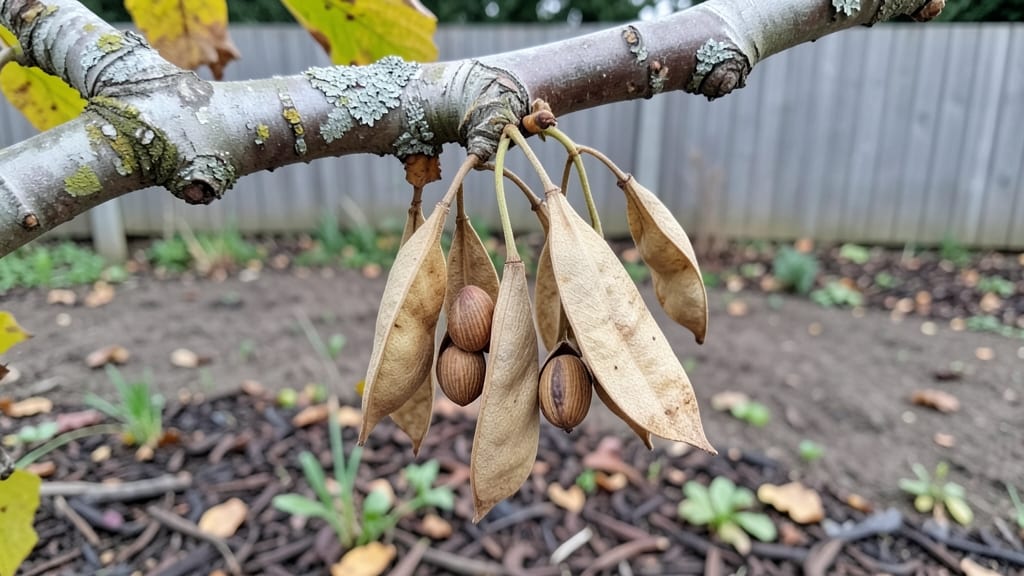
Cold stratification turns those fuzzy beech seed pods into thriving seedlings—here’s how I make it work every time. 🌱 The key isn’t just planting; it’s breaking dormancy the right way, and I’ve cracked the process after years of trial and error with my own backyard beech trees.
You’ll need fresh seed pods (harvested in fall), a plastic bag with damp peat moss, and a freezer for 4-6 weeks of cold treatment. Beech seeds are stubborn—skipping stratification means waiting years for germination, if ever.
Once they’ve chilled, plant them ½ inch deep in well-draining soil and keep them consistently moist but not soggy.
Within 2-4 weeks of planting, you’ll see tiny sprouts pushing through the soil—proof the stratification paid off. These seedlings grow slowly at first but develop strong roots, making them perfect for transplanting once they’re 4-6 inches tall.
The payoff? A shade-loving tree that thrives in zones 4-8 and adds year-round interest.
Fair warning: Beech seedlings attract slugs, so protect young plants with coffee grounds or diatomaceous earth. And patience is key—these trees take 5-10 years to mature but reward you with glossy leaves and iconic seed pods for decades. Ready to grow your own?
📚 In This Guide
- What you need
- Instructions
- Tips and common mistakes
- Wrapping up and next steps
What you need
- ● Fresh beech seed pods (harvested in late fall or purchased from a trusted supplier). Aim for at least 20-30 pods to ensure a good germination rate.
- ● Paper towels or coffee filters (2-3 sheets) – Unbleached and seed-safe to prevent chemical interference.
- ● Plastic storage bag (1 quart or gallon size) with a ziplock seal.
- ● Spray bottle (with room-temperature water) for light misting.
- ○ Small container or tray (optional but helpful for organizing pods during stratification).
- ● Refrigerator or cold stratification setup (set to 34–40°F (1–4°C)).
- ● Notebook & pen (to track stratification progress and germination dates).
- ● Humidity tray (with a damp paper towel or sphagnum moss) to maintain moisture if storing outside the fridge.
- ● Seedling heat mat (for post-stratification warmth, 70–75°F (21–24°C)).
- ● Grow lights or sunny windowsill (to provide 12–14 hours of light once germination begins).
- ● Potting mix (well-draining, seed-starting blend) for transplanting sprouts.
- ● Small pots or seed trays (2–3 inch pots or biodegradable peat pots).
Step-by-Step instructions for cold stratifying beech seed pods
Here's my battle-tested method to break dormancy and coax beech seeds into reliable germination.
🌱 Step 1: Harvest and Prepare the Seed Pods
Collect mature beech seed pods in late fall when they've naturally dropped from the tree. The glossy, triangular nuts inside should feel firm and fully developed. I like to work with fresh pods—they contain the highest germination potential. Remove the nuts carefully from their spiny husks using pliers or a butter knife, then let them air-dry on a paper towel for 3-5 days in a cool, dry place.
Resist the urge to rush this drying process. Overly moist seeds develop mold, while seeds dried too quickly won't respond well to stratification. You'll know they're properly dried when the outer shell feels papery and the seed rattles slightly when shaken. Store them in a sealed container until stratification begins.
💧 Step 2: Moisten the Seeds Before Stratification
Soak the dried beech seeds in lukewarm water for 24 hours before stratification. This softens the hard seed coat and kickstarts metabolic activity. I use a small glass jar with enough water to fully submerge the seeds. After soaking, drain them thoroughly but don't let them dry out completely—squeeze out excess moisture between paper towels.
This pre-soaking step is critical. Skipping it often results in poor germination rates because beech seeds have extremely hard coats that block water absorption. You'll see the difference when you compare soaked seeds to dry ones—they'll feel slightly plump and ready for the cold treatment.
⏰ Step 3: Stratify Using the Wet Sand Method
Fill a quart-sized container with clean, coarse sand (the same type used for aquariums) and moisten it until damp but not soggy. Layer the soaked beech seeds 1-2 inches deep in the sand, spacing them ½ inch apart. Cover with another 1-2 inch layer of moist sand, then seal the container with plastic wrap or a tight-fitting lid.
Place the container in your refrigerator's crisper drawer where temperatures stay consistently between 34-40°F. This mimics natural winter conditions and breaks seed dormancy. Check the sand every 2-3 weeks—it should stay moist but not dripping. If it dries out, add a few drops of water and mix gently.
☀️ Step 4: Monitor and Test for Germination
After 8-12 weeks of cold stratification, remove the container from the fridge and place it in a warm, bright location (around 65-70°F). Beech seeds often germinate slowly, so patience is key. I like to check daily by gently lifting the sand with a spoon—you'll spot tiny white roots first, followed by a small shoot within 2-4 weeks of warm treatment.
Don't be surprised if germination takes 6-8 weeks from the start of warm conditions. Beech seeds are notoriously slow compared to other hardwoods. Once you see 50% germination, transplant the seedlings into individual 3-inch pots filled with sterile potting mix. Keep them in bright, indirect light until they develop their first true leaves.
🌿 Step 5: Transplant and Care for New Seedlings
When seedlings reach 2-3 inches tall with 2-3 sets of true leaves, they're ready for their first repotting into 4-inch containers. Use a well-draining mix of 50% potting soil and 50% perlite to prevent root rot. Water gently from below by placing the pot in ½ inch of water for 10 minutes—this encourages deep root growth without overwatering.
Beech seedlings thrive in partial shade during their first year. Keep them in a spot with morning sun and afternoon shade to prevent leaf scorch. You'll notice healthy growth when new leaves emerge with a rich green color and slightly serrated edges. Avoid fertilizing until they've established roots for 3 months—young beech trees are sensitive to excess nutrients.
Tips & tricks for perfect beech seed pod stratification
A few key insights that'll transform your germination success rate from hit-or-miss to consistently reliable.
Drying Matters: In Step 1, that 3-5 day drying period isn't just about removing moisture—it's about creating the perfect balance. I've found that seeds dried at 65-70°F in a well-ventilated area develop a slightly papery texture that's ideal. Too much moisture leads to mold, while too little makes the seed coat impermeable. Test readiness by gently shaking a seed—it should rattle slightly inside its shell. This subtle sound signals the right moisture level for stratification.
Stratification Temperature Precision: The 34-40°F range in Step 3 is your sweet spot for breaking dormancy. I recommend placing a small thermometer inside the container to monitor temperatures—some refrigerators have hot spots. If your fridge runs cooler (below 34°F), consider using a seedling heat mat set to low under the container. The goal is to mimic natural winter conditions without crossing into freezing territory, which can damage the seeds.
Moisture Management: When checking your sand every 2-3 weeks in Step 3, aim for the consistency of a wrung-out sponge—not wet, not dry. I use a spray bottle with distilled water to maintain this balance, as tap water minerals can accumulate over time. The key is to keep the sand moist enough to prevent desiccation but not so wet that it creates anaerobic conditions. You'll know you've got it right when the sand holds its shape when squeezed but doesn't leave water droplets.
Germination Patience: The 6-8 week germination window in Step 4 might feel long, but beech seeds are notoriously slow compared to other hardwoods. I've found that maintaining consistent 65-70°F temperatures during this period significantly speeds up the process. Place your container under a grow light on a timer (14 hours on, 10 hours off) to simulate natural daylight cycles. This light regimen helps trigger the physiological changes needed for root emergence, often revealing those first tiny white roots within 3-4 weeks rather than the full 6-8 weeks.
Pro Tips for Beech Seed Pods
- A few key insights that'll transform your germination success rate from hit-or-miss to consistently reliable.
- Drying Matters: In Step 1, that 3-5 day drying period isn't just about removing moisture—it's about creating the perfect balance.
- Stratification Temperature Precision: The 34-40°F range in Step 3 is your sweet spot for breaking dormancy.
Frequently asked questions
Got questions about beech seed pods and their germination?
You’re not alone! Here are answers to the most common queries—from timing to troubleshooting—so you can grow these unique trees with confidence.
How long do beech seed pods take to germinate after cold stratification?
After completing 3–4 months of cold stratification (40°F/4°C), beech seed pods typically germinate within 2–6 weeks once planted in warm, moist soil. Patience is key—some seeds may take longer, especially if moisture levels fluctuate. Keep the soil consistently damp (not soggy) to encourage sprouting.
Can I skip cold stratification and plant beech seeds directly?
No, cold stratification is essential for breaking beech seed dormancy. Without it, germination rates drop drastically (often <10%). If you’re in a cold climate, plant seeds outdoors in fall/winter to mimic natural stratification. For warmer areas, use a fridge or outdoor cold frame for the required 3–4 months.
What should I do if my beech seeds mold or rot during stratification?
Mold or rot usually means too much moisture or poor airflow. To fix it:
- Drain excess water immediately and let seeds air-dry for 1–2 days.
- Transfer seeds to a fresh, moist (not wet) paper towel or container.
- Add a fungicide (like hydrogen peroxide, 3% solution) to the mix if mold persists.
- Monitor weekly—seeds should smell fresh, not sour.
How deep and where should I plant stratified beech seeds?
Plant seeds ½ inch deep in well-draining soil, spaced 6–12 inches apart. Choose a partially shaded spot (young beech trees thrive in dappled light) with loamy, slightly acidic soil (pH 5.0–6.5). Avoid compacted or waterlogged areas—they’ll stunt root growth. Mulch lightly with compost to retain moisture.
Why aren’t my beech seeds sprouting after stratification?
Check these common culprits:
- Temperature: Soil must stay above 60°F (15°C) for germination. Use a heat mat if needed.
- Moisture: Keep soil consistently damp (like a wrung-out sponge). Overwatering suffocates seeds.
- Depth: Seeds planted too deep (<1 inch+) may struggle to break soil.
- Viability: Beech seeds lose potency after 1–2 years. Test a few seeds in warm water—if they sink, they’re likely viable.
Can I collect beech seed pods from the ground and still use them?
Yes! Freshly fallen beech seed pods (from late summer/fall) are ideal, but avoid those buried in leaf litter or damp soil for months—they may rot. Rinse pods gently, remove any debris, and stratify as usual. Pro tip: Collect pods when they’re brown and dry (not green or mushy) for best results.
Wrapping up and next steps
Beech seed pods may seem tricky to germinate, but with the right cold stratification technique, you’ll unlock their full potential! 🌱 Whether you’re restoring a forest, enhancing your lawn, or simply nurturing native plants, these steps ensure reliable sprouting.
Start small—experiment with a few pods this season, and watch your green thumb grow!
Ready to take the next step? Gather your supplies, follow the guide, and soon you’ll be rewarded with sturdy beech seedlings. Happy gardening!