Featured
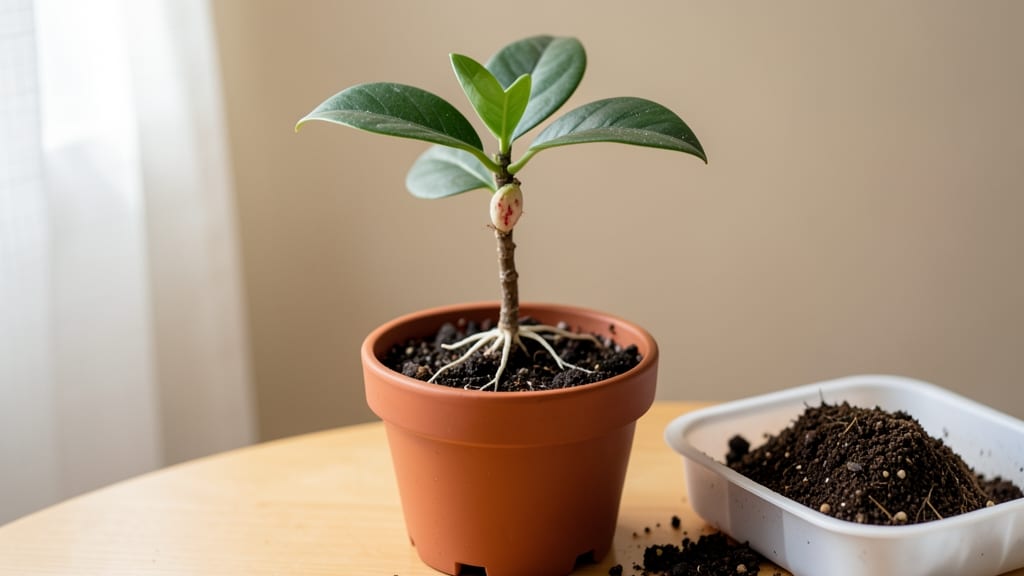
Growing an avocado plant from a red-seeded pit is easier than you think—especially when you want bold, fast results. ✨ I’ve turned grocery store scraps into thriving houseplants, and the secret starts with understanding how that vibrant red seed behaves differently than its green cousin.
The right soaking method and a little patience unlock a plant that could bloom in just a few years, not decades.
Most people skip the red seeds because they assume they won’t germinate—but they do, just slower. Start by cleaning the pit, then soak it in water for 5–7 days, changing the water daily.
Once roots appear, transfer it to a jar with water and wait for the stem to sprout. This method works even with stubborn seeds, and you’ll see progress within 2–3 weeks.
The payoff? A lush, glossy-leaved plant that thrives in bright indirect light and stays compact enough for small spaces. With proper care—like occasional pruning and well-draining soil—you’ll watch it grow from a tiny sprout to a 3–5 foot tropical showstopper.
The red seeds even produce slightly more robust seedlings than green ones.
Perfect for beginners or anyone with a windowsill to spare. Whether you’re growing for the challenge or future fruit, this guide cuts through the guesswork. Let’s get those roots growing!
Why it happens
When you crack open an avocado and spot a seed with a striking red hue—whether it’s faint pink or deep crimson—it’s not just a quirky oddity. This color change is a biological signal, often tied to the seed’s health, maturity, or even its response to stress or environmental factors.
Understanding the root causes can help you nurture your seed for successful germination or troubleshoot issues if the color appears unexpectedly. Here’s why it happens:
The most common reason for a red-tinted avocado seed is simply aging. As avocado seeds mature on the tree—or even after harvest—their internal chemistry shifts. Over time, compounds like anthocyanins (the same pigments that color blueberries or red cabbage) accumulate in the seed’s vascular tissues.
These antioxidants protect the seed from oxidative damage, giving it a reddish or pinkish tint as it nears the end of its viable lifespan.
🔹 Key signs:
- A gradual deepening of color from pale pink to maroon over weeks or months.
- The seed may feel slightly softer or less dense than a fresh one.
- Often found in avocados stored for long periods (e.g., grocery store stock or home pantries).
💡 Pro tip: If you’re saving seeds for germination, prioritize fresh seeds (from avocados that ripened on the tree within the last 2–4 weeks). Older seeds may still sprout, but their energy reserves are depleted, and the red tint can indicate reduced vigor.
Avocado seeds are sensitive to moisture balance. Too much or too little water can trigger stress responses, including anthocyanin production as a protective mechanism. Here’s how it plays out:
Cause
Effect on Seed
Color Clue
🌧️ Overhydration (e.g., seeds left soaking in water for days)
Cells swell, oxygen deprivation activates stress hormones.
Reddish-purple blotches near the seed’s base or in damp areas.
🏜️ Drought stress (e.g., seeds dried out before germination)
Metabolic slowdown triggers antioxidant buildup to prevent damage.
Uniform pinkish-red hue, often paired with a lighter, shriveled texture.
🔥 Actionable fix: If your seed turns red during germination, it’s likely over-soaked. Rinse it, let it dry for 12 hours, then restart the process with fresh water changes every 24 hours. For drought-stressed seeds, lightly mist the toothpick holes (if using the classic method) to rehydrate without drowning.
A sudden, uneven red or dark brown discoloration—especially with mold, slimy textures, or foul odors—is a red flag (literally) for pathogen attack. Fungi like Aspergillus or bacteria such as Erwinia can infect avocado seeds, particularly if they’re stored in humid conditions or cut prematurely.
🔹 How to spot it:
- Red streaks or spots that spread rapidly (within hours/days).
- Black or green mold fuzz on the seed’s surface.
- A sour or fermented smell near the seed.
🚨 Critical action: Discard infected seeds immediately. Sterilize your tools with 70% isopropyl alcohol if you suspect cross-contamination. For prevention, store seeds in a paper towel-lined bag in the fridge (not the fruit bowl) to limit moisture.
Not all avocado seeds turn red—and some never do. The color is influenced by the parent tree’s genetics. Varieties like Hass (the most common) rarely develop red seeds, but heirloom or hybrid avocados (e.g., Fuerte or Zutano) may produce seeds with natural pink or red undertones due to:
- 🌺 Anthocyanin-rich parentage: Some avocado cultivars have higher baseline levels of these pigments.
- 🧬 Dominant recessive genes: Even if the fruit is green, the seed might carry traits from a red-fleshed ancestor.
💡 What this means for you: If you’re growing avocados for fruit (not just germination), track the color of seeds from different trees. A consistently red-tinted seed might indicate a unique genetic line worth propagating!
🌟 Remember: While red avocado seeds can signal trouble, they’re not always a dealbreaker. The key is context—observe the seed’s texture, smell, and germination environment. With the right care, even a reddish seed can still sprout into a vibrant avocado plant! 🌱
Fixing Red Avocado Seed Issues
If your avocado seed is turning red during germination—or you’re struggling to coax it into sprouting—don’t toss it just yet! With the right approach, you can revive it, speed up growth, or even prevent future problems.
Below, we’ve mapped out practical fixes for common causes, from environmental stress to improper care, plus prevention tips to keep your seed thriving.
A red or discolored avocado seed often signals overwatering, root rot, or lack of airflow. Here’s how to correct it:
💦 Step 1: Check for Rot or Mold
- Signs: Soft, mushy texture, foul smell, or dark red/purple streaks.
- Fix:
- Remove the seed from water and pat it dry with a paper towel.
- Trim any blackened or squishy roots with sterilized scissors (🔪).
- Let it air-dry for 12–24 hours in a warm, shaded spot.
- Pro Tip: 🌡️ If the seed feels cold or clammy, it’s still too damp—wait longer.
🌬️ Step 2: Improve Airflow & Drainage
- Problem: Stagnant water traps bacteria, turning the seed red.
- Fix:
- Switch to a well-ventilated setup:
- Toothpick method: Prop the seed upright in a glass of water with only the base submerged (not the sides).
- Paper towel method: Wrap the seed in a lightly damp (not soggy) towel, then place it in a ziplock bag with holes for airflow.
- Prevention: 💡 Change the water every 2–3 days to avoid bacterial buildup.
- Switch to a well-ventilated setup:
☀️ Step 3: Adjust Light & Temperature
- Problem: Too much direct sun or cold temps can stress the seed.
- Fix:
- Move it to a bright, indirect light spot (e.g., near a window but not in harsh sunlight).
- Keep the environment warm (70–80°F / 21–27°C)—avoid drafts or AC vents.
- Pro Tip: 🌱 If the seed feels sluggish, a heat mat (for plants) can speed up germination.
If your seed isn’t sprouting within 2–4 weeks, it may need a growth kickstart:
🍳 Step 1: Soak the Seed (If Dry)
- Problem: A dry seed won’t germinate without moisture.
- Fix:
- Soak the pointy end down in lukewarm water for 8–12 hours.
- Pro Tip: 🔥 Add a drop of hydrogen peroxide (3%) to the water to prevent mold.
👨🍳 Step 2: Use a Growth Hormone (Optional)
- Problem: Some seeds resist sprouting due to natural inhibitors.
- Fix:
- Dip the pointy end in cinnamon or willow bark extract (natural rooting hormones).
- Alternatively, use a commercial rooting gel (follow package instructions).
⏰ Step 3: Be Patient & Consistent
- Problem: Rushing can lead to rot or stress.
- Fix:
- Check daily for signs of sprouting (a tiny white root or crack).
- Keep the water level consistent—never let the seed dry out completely.
- Prevention: 🎯 If all else fails, start fresh with a new seed (some seeds just need more time).
Once your avocado seed is sprouting, keep these habits to avoid red discoloration or failure:
| Issue | Prevention Tip | Why It Works |
|---|---|---|
| Overwatering | Use the finger test—water only when the top inch of soil/towel feels dry. | Prevents root rot and bacterial growth. |
| Poor Airflow | Elevate the seed (e.g., on a rack in water) or use a mesh bag for towels. | Reduces humidity buildup around the seed. |
| Temperature Fluctuations | Keep near a warmth source (like a heater vent or sunny window). | Maintains ideal germination temps. |
| Pests/Fungus | Spray with neem oil solution (1 tsp neem oil + 1 cup water) weekly. | Natural antifungal and pest deterrent. |
Final Note: 🌟 A red avocado seed isn’t always a death sentence—it’s often a fixable sign of stress. With the right adjustments, you’ll see green shoots in weeks! For extra motivation, track progress with a germination journal (yes, it’s fun 😉).
Frequently asked questions
Why does my avocado seed turn red during germination?
Red discoloration often signals stress from overwatering or aging. When seeds stay submerged too long, oxygen deprivation triggers antioxidant production (like anthocyanins), turning the seed pink or red. Check for mushy texture or foul smells—these indicate rot. For prevention, change water every 2–3 days and keep only the base submerged.
Can I still grow a plant from a red avocado seed?
Yes! While red seeds may germinate slower, they can still sprout with proper care. Start by drying the seed for 12 hours if it feels damp, then restart soaking with fresh water. Use the toothpick method for better airflow. Most red seeds just need extra patience—sprouts often appear within 3–4 weeks instead of 2.
Does seed color affect how long germination takes?
Red seeds typically take 5–10% longer to sprout than green ones due to potential stress or age. Fresh green seeds usually germinate in 2–3 weeks, while red seeds may need 3–5 weeks. The key difference is energy reserves—older seeds (often red) have depleted nutrients. Soak them longer (8–12 hours) to compensate.
What’s the best way to store avocado seeds before planting?
Wrap clean, dry seeds in a paper towel and store them in a paper bag in the fridge (not the fruit bowl). This prevents moisture buildup that causes red discoloration. Avoid plastic bags—they trap humidity and accelerate aging. Seeds stay viable for 2–3 months this way, maintaining better germination rates than those stored at room temperature.
Are red avocado seeds from different varieties?
Not necessarily! While some heirloom varieties (like Fuerte) naturally produce pinkish seeds, most red seeds come from older fruit. The color isn’t a variety indicator but a stress signal. However, if you consistently get red seeds from a specific avocado type, it might suggest unique genetics worth tracking for breeding experiments.