
Trees
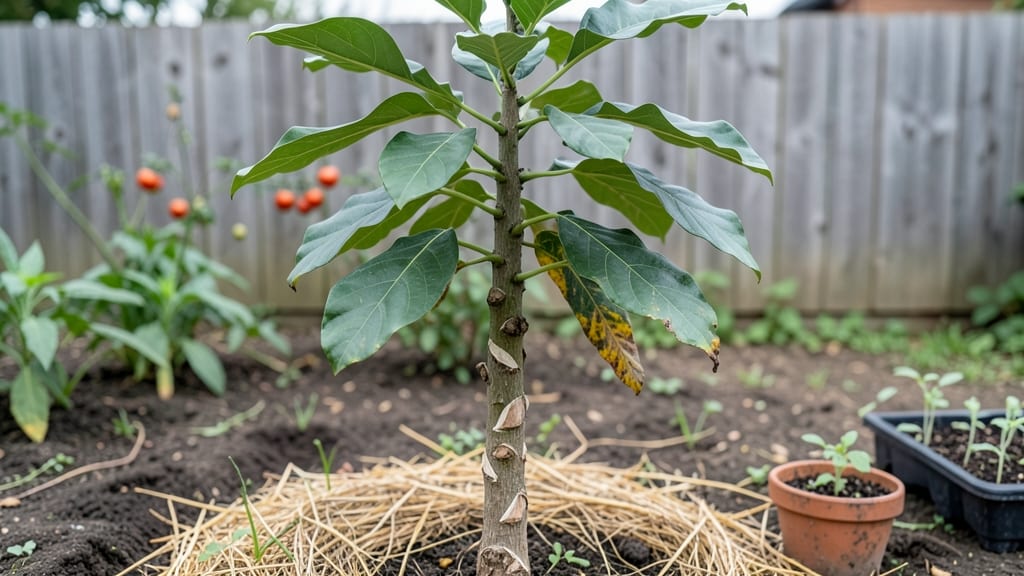
Growing chocolate tree seeds lets you cultivate your own cocoa plants from the fertilized ovules inside Theobroma cacao pods. These seeds need careful fermentation, warm 70-80°F soil, and high humidity to germinate, then require 3-5 years of tropical or greenhouse care before producing harvestable beans.
These tiny seeds hold the magic of your future cocoa harvest, but their journey from pod to plant demands patience and precision. 🌱 The fermentation process—typically 5-7 days—removes the bitter pulp and prepares the seed for planting, while proper soil acidity (pH 5.0-6.5) mimics their native tropical environment.
Many home growers struggle with slow germination, so I recommend pre-soaking seeds for 24 hours and using clear containers to monitor root development. The first leaves signal success, but true cocoa trees won't bear pods for years—so think of this as a long-term passion project!
What sets cocoa trees apart is their dual-purpose nature: the seeds themselves can be fermented and dried to make chocolate, while the tree produces more pods for future harvests. Non-tropical climates? No problem—greenhouses with supplemental lighting can replicate the 12-hour daylight these plants crave.
Just be prepared for slower growth outside ideal conditions, and watch for pests like spider mites that thrive in dry indoor environments.
💡 In This Article
- How Theobroma Cacao Seeds Germinate and Develop
- Step-by-Step Guide to Growing Cocoa Trees from Seeds
How theobroma cacao seeds germinate and develop
The germination process begins when cocoa seeds undergo a critical stratification phase—a natural breakdown of their outer layers during fermentation. This 5-7 day process, where seeds are spread on banana leaves or mesh trays, triggers enzymatic activity that softens the seed coat and activates internal growth hormones.
The warm, humid conditions (around 80°F) during fermentation create the perfect environment for these biochemical changes, similar to how coffee beans develop their flavor profile during drying. 🌱 Without this step, seeds often fail to sprout because their protective layers remain too thick for water absorption.
Once fermented, the seeds enter their germination stage where root emergence is the first visible sign of life. The primary root, or radicle, typically breaks through the seed coat within 7-14 days when planted in moist, acidic soil (pH 5.0-6.5).
This acidic environment mimics the forest floor of their native tropical habitats, where cocoa trees naturally thrive. The roots seek out moisture first, growing downward while tiny lateral roots begin branching out—this dual growth pattern helps stabilize the young seedling.
Interestingly, cocoa seeds contain 10-15% fat, which provides energy for this early root development, much like how avocado seeds sustain their initial growth.
After roots establish, the first leaves emerge in what botanists call the cotyledon stage. These initial leaves are thick and fleshy, designed to store nutrients until the plant develops true leaves.
This transition typically occurs within 3-6 weeks of planting, but success rates vary dramatically between direct sowing and nursery methods. Home gardeners report 60-70% germination success with nursery-started seeds (where seeds are pre-germinated in controlled conditions) compared to 30-40% for direct-sown seeds.
The difference comes from the controlled moisture and temperature in nursery setups, which prevent the common issue of seed rot that plagues direct planting attempts.
What most people don't realize is how sensitive young cocoa seedlings are to environmental fluctuations. The early leaf stages require 70-80% humidity and consistent warmth—any dip below 65°F can stall growth, while temperatures above 90°F stress the plant.
This is why greenhouse cultivation becomes essential outside tropical zones. The first true leaves appear after 8-12 weeks, but these are delicate and prone to damage from drafts or sudden temperature changes.
Here's what's actually happening: the plant is establishing its vascular system to support future pod production, a process that takes 2-3 years before the tree becomes structurally capable of bearing fruit.
For home growers, the choice between direct sowing and nursery methods often comes down to patience and space. Direct-sown seeds develop stronger root systems early because they must compete for resources immediately, but this comes at the cost of higher mortality rates.
Nursery-started seedlings, while more expensive initially, offer 30-50% higher survival rates because they've already developed their root systems before transplanting. The trade-off? Nursery seedlings take up to 6 months to reach a transplantable size, delaying your ability to move them to permanent growing conditions.
Both methods require partial shade during the first year to protect young leaves from intense sunlight, which can scorch their delicate surfaces.
One fascinating aspect of cocoa seed development is how the plant's growth rhythm mirrors its tropical origins. The first year focuses entirely on root and leaf development, with no energy allocated to reproductive structures.
This is nature's way of ensuring the plant establishes a strong foundation before attempting to produce pods. In the wild, cocoa trees grow in the understory of rainforests, where they receive dappled sunlight and high humidity year-round—conditions that home growers must replicate as closely as possible.
The key factor in successful germination isn't just moisture or temperature, but creating this microclimate that mimics the seed's natural environment down to the soil chemistry level.