
Vegetables
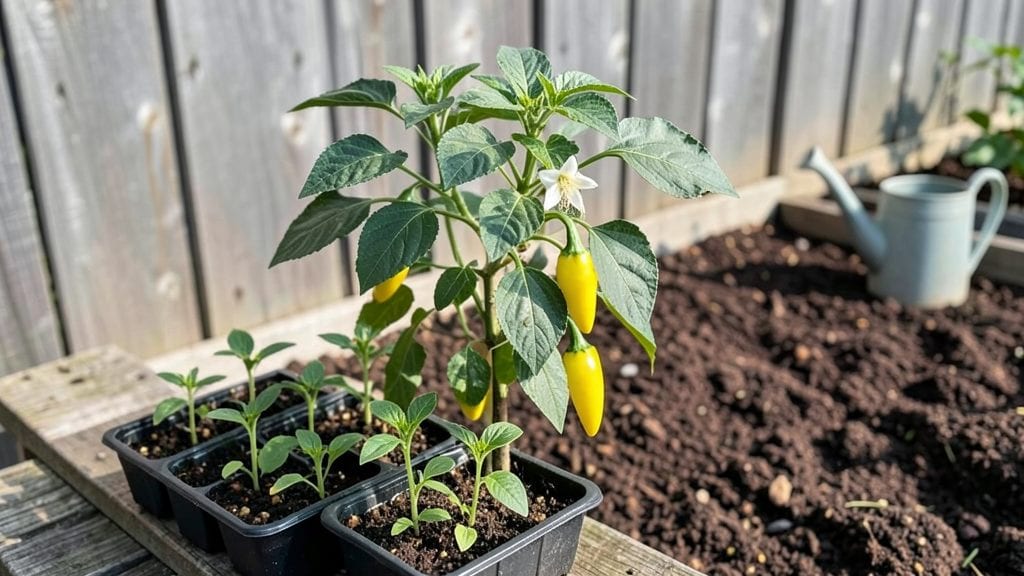
Growing yellow pepper seeds faster means beating the heat and the slow start that frustrates every gardener. 🌱 I’ve learned the cold stratification tricks that cut germination time from weeks to days—no fancy equipment, just a simple technique that works in any kitchen.
The key is mimicking the natural winter-spring cycle these seeds need to wake up, and it’s easier than you’d think with just a few supplies and a little patience.
Most gardeners skip this step and end up waiting 2-3 weeks for seeds to sprout, but with cold stratification, you’ll see tiny shoots in just 7-10 days.
Start by soaking your seeds overnight in warm water, then place them in a damp paper towel inside a sealed bag in the fridge for 5-7 days. This mimics the chilling period peppers experience in nature, breaking dormancy before the soil warms up.
Once those first green leaves appear, you’ll know the magic worked. Your seedlings will be sturdy and ready to transplant into warm soil, giving you a 2-3 week head start on the season.
The payoff? Earlier harvests of sweet, golden-yellow peppers like ‘Lemon Drop’ or ‘Golden Calwonder’—varieties that thrive with this method and bring a burst of sunshine to your garden.
Works for any climate, whether you’re in a short-season zone or a warm winter area. The only rule? Start early, and don’t rush the cold treatment—it’s the secret to foolproof, fast germination every time.
Germination Roadblocks Explained
Understanding why your yellow pepper seeds struggle to sprout starts with uncovering the hidden factors that slow them down. While peppers are warm-season plants, their seeds often face unexpected hurdles—some tied to nature, others to human habits.
Let’s break down the science-backed reasons behind sluggish or failed germination, so you can troubleshoot like a pro.
Yellow pepper seeds originate from tropical and subtropical climates, where consistent warmth is the norm. When exposed to cold, damp soil (below 60°F/15°C), their metabolic processes stall. Here’s why: - Enzyme Freeze: Seeds rely on enzymes like amylase to break down stored starches into energy.
Cold temperatures slow or halt these enzymes, leaving seeds in a metabolic limbo. - Oxygen Deprivation: Cold soil holds more moisture, reducing oxygen levels.
Seeds need O₂ to activate their mitochondria (the "power plants" of the cell), but soggy conditions suffocate them. - Dormancy Triggers: Some seeds enter a secondary dormancy when chilled too early.
Unlike true cold stratification (which some seeds need), peppers hate premature cold exposure—it tricks them into waiting for "spring" that never comes.
Actionable Fix:
- Use a seedling heat mat (70–85°F/21–29°C) or a bottom-heated propagator to mimic tropical conditions.
- If sowing outdoors, wait until soil temps consistently hit 65°F+ (18°C+)—use a soil thermometer to confirm.
Peppers despise soggy conditions, yet many gardeners drown their seeds in an attempt to "keep them moist." The problem? Excess water disrupts three critical processes: 1. Anaerobic Stress: Without oxygen, seeds can’t respire properly, leading to rot before germination.
- Leach Nutrients: Water-soluble vitamins (like thiamine) wash away, starving the seed of cofactors it needs to activate.
- Fungal Invaders: Damp seeds attract Pythium and Rhizoctonia fungi, which outcompete the seed’s natural microbes and release toxins.
Actionable Fix:
- Use a well-draining mix (50% peat/coir + 50% perlite/vermiculite).
- Water bottom-up: Place trays in a shallow dish of water for 10 minutes, then drain excess. Never let seeds sit in standing water.
- Pro Tip 💡: Spritz seeds lightly with a fungicide spray (like copper-based or neem oil) before planting to deter mold.
Seeds have a shelf life, and yellow pepper seeds are no exception. Over time, their embryos degrade, and viability drops.
Here’s the science: - Lipid Peroxidation: Fats in the seed coat oxidize, damaging cell membranes and reducing enzyme activity. - Moisture Loss: Even in sealed packets, seeds lose 1–2% moisture/year, weakening the embryo’s resilience. - Genetic Drift: Some seeds from bud stores or discount packets may be hybridized poorly, leading to inconsistent germination.
Actionable Fix:
- Test viability: Soak 10 seeds in warm water for 24 hours. If <70% swell, toss them—they’re likely duds.
- Store seeds in a cool (50–60°F/10–15°C), dark, airtight container with a silica gel packet to absorb moisture.
- Pro Tip ✨: Buy from reputable seed banks (like Baker Creek, Johnny’s Selected Seeds) for fresh, high-germination stock.
Peppers need light to trigger germination—not just warmth. Here’s how light (or lack thereof) plays a role: - Phytochrome Miscommunication: Seeds rely on red/far-red light ratios to "know" it’s time to sprout.
Dark trays or weak grow lights can confuse them into waiting indefinitely. - Chlorophyll Delay: Without light, seeds can’t produce early chlorophyll, which helps them transition from seed to seedling. - Temperature Gradients: If seeds are too deep (below ½ inch), they may not sense the warmth gradient from the soil surface, slowing metabolic kickstart.
Actionable Fix:
- Use grow lights (LED or fluorescent) 12–16 hours/day, 2–3 inches above seeds.
- Surface Sow: Press seeds ½ inch deep—no deeper, or they’ll struggle to reach light.
- Pro Tip 🌡️: If using a heat mat, place it under the tray and add a clear plastic dome to trap warmth and light.
Residual pesticides, fertilizers, or even old compost can poison pepper seeds.
Common culprits: - Synthetic Fertilizers: High salt levels (from ammonium-based fertilizers) dehydrate seeds. - Weed Killers: Glyphosate (Roundup) can linger in soil for years, disrupting cell division in embryos. - Volatile Organic Compounds (VOCs): Freshly painted pots or petroleum-based mulch release fumes that inhibit germination.
Actionable Fix:
- Flush soil with water for 24 hours before sowing to leach salts.
- Use organic potting mix (no synthetic additives) or coconut coir.
- Pro Tip 🔥: If repurposing containers, sterilize with 10% hydrogen peroxide (3% food-grade) for 10 minutes to kill pathogens.
Seeds need just the right amount of pressure and depth to germinate. Too shallow or buried too deep? Here’s the science: - Hypocotyl Strain: The hypocotyl (the seed’s "stem") must push upward.
If buried too deep, it runs out of energy before breaking soil. - Oxygen Starvation: Deep planting reduces aeration, slowing cellular respiration. - Light Blockage: Seeds need some light to activate ethylene production, a hormone that signals "it’s time to grow."
Actionable Fix:
- Ideal depth: ¼–½ inch for pepper seeds.
- Firm (but not compact) soil: Press seeds gently into soil—not packed like dirt in a sandbox.
- Pro Tip 🎯: Use a fine mist spray bottle to moisten soil after planting, so seeds aren’t displaced.
Fixing Slow or Failed Germination
Growing yellow peppers from seeds can be incredibly rewarding, but slow or failed germination is a common frustration. The good news? Most issues have simple, effective solutions.
Below, we’ll tackle the most frequent problems—from improper stratification to moisture and temperature mishaps—and provide step-by-step fixes to get your seeds sprouting like a pro.
Cause: Cold stratification wasn’t done correctly, or seeds were planted too early/late.
How to Fix It:
- 🔥 Verify Stratification
- If you skipped cold treatment, place seeds in a damp paper towel inside a sealed plastic bag. Store in the fridge (34–40°F) for 10–14 days before planting.
- Pro Tip: 💡 Label your bags with the date to avoid over-stratifying—some seeds can rot if left too long!
- 🌡️ Adjust Planting Conditions - Soil Temp: Yellow pepper seeds need warmth (70–90°F) to germinate. Use a seedling heat mat if your home is too cool. - Depth: Plant seeds ¼ inch deep—too deep = delayed sprouting.
Use a toothpick to mark shallow spots. - Light: Keep containers in bright, indirect light (no direct sun yet). A south-facing windowsill or grow light works best.
- 💧 Check Moisture Levels
- Overwatering drowns seeds; underwatering dries them out. Keep soil consistently moist (like a wrung-out sponge). Use a spray bottle for precision.
Prevention Tips: ✔ Test soil warmth with a thermometer before planting. ✔ Use a humidity dome (or plastic wrap) to retain moisture while seeds germinate. ✔ Plant at the right time—wait until after the last frost (or use a greenhouse).
Cause: Insufficient warmth, poor soil quality, or old seeds.
How to Fix It:
- ⏰ Speed Up Germination
- Heat Boost: Place the seed tray on a heat mat or near a warm appliance (like the fridge’s top). Aim for 80–90°F soil temp.
- Soak Overnight: Soak seeds in lukewarm water for 4–6 hours before planting to kickstart hydration.
- 🌿 Upgrade Your Growing Medium
- Use a light, sterile potting mix (avoid garden soil—it’s too dense). Add perlite or vermiculite for drainage.
- Pro Tip: 🌡️ Mix in a slow-release fertilizer (like 5-10-5) to give seedlings a nutrient head start.
- 🔄 Try a Different Method
- Paper Towel Method: Fold a damp paper towel over seeds in a plate, cover with another towel, and place in a warm spot. Transplant once sprouts appear (in 3–7 days).
Prevention Tips: ✔ Store seeds properly in a cool, dry place (old seeds germinate poorly). ✔ Pre-warm soil by placing pots in a sunny window for a day before planting. ✔ Use a seedling heating pad for stubborn batches.
Cause: Overwatering, poor airflow, or contaminated soil.
How to Fix It:
- 🚿 Adjust Watering Habits
- Let the top ½ inch of soil dry between waterings. Use a spray bottle instead of pouring water directly.
- Drainage Fix: If trays pool water, add extra holes or use saucers with pebbles to lift pots off wet surfaces.
- 🌬️ Improve Air Circulation
- Place a small fan (on low) near seedlings for 1–2 hours daily to prevent fungal spores from settling.
- Pro Tip: 💡 Space trays 2 inches apart to reduce humidity buildup.
- 🧼 Treat Fungal Issues
- Hydrogen Peroxide Spray: Mix 1 tbsp 3% H₂O₂ per cup of water, spray lightly on soil (avoid seedlings), and repeat every 3 days.
- Cinnamon Dust: Sprinkle a light layer on soil to inhibit mold growth.
Prevention Tips: ✔ Sterilize tools with rubbing alcohol before handling seedlings. ✔ Use fungicide (like neem oil) preventatively if your area is humid. ✔ Avoid cold drafts—fungus thrives in temperature fluctuations.
Cause: Leggy seedlings (from weak light), nutrient deficiency, or transplant shock.
How to Fix It:
- 💡 Strengthen Seedlings
- Light Fix: Move trays 2–3 inches closer to a grow light (12–16 hours/day). If using sunlight, rotate trays daily for even growth.
- Support Growth: Once seedlings have 2 true leaves, fertilize lightly with half-strength liquid fertilizer (like fish emulsion).
- 🌱 Harden Off Gradually
- Week 1: Place seedlings outside for 1–2 hours in shade, then bring them back in.
- Week 2: Increase time to 4–6 hours, adding 1 hour of morning sun.
- Final Step: By Week 3, they should tolerate full sun for the day.
Prevention Tips: ✔ Thin seedlings to 1 inch apart to reduce competition for light/nutrients. ✔ Use larger pots (2–3 inches deep) to prevent root binding. ✔ Avoid cold snaps—keep seedlings indoors if night temps drop below 50°F.
Final Reminder: 🎯 Patience and consistency are key! Most yellow pepper seeds germinate within 7–21 days with the right care. If all else fails, try fresh seeds—sometimes genetics just need a helping hand. Happy growing! 🌿🔥
Frequently asked questions
Why do my yellow pepper seeds take so long to sprout?
Yellow pepper seeds need consistent warmth (ideally 70–90°F) to germinate quickly. However, if you want to try, let peppers fully ripen on the plant, scoop out seeds, rinse them, and dry on a paper towel for 3–5 days. Store in a cool, dark place for up to 1 year. For best results, buy seeds from reputable suppliers like Baker Creek or Johnny’s Selected Seeds.
How deep should I plant yellow pepper seeds?
Plant seeds only ¼–½ inch deep—any deeper, and they’ll struggle to reach light and oxygen. Use a toothpick to mark shallow spots if needed. After planting, keep the soil consistently moist (like a wrung-out sponge) but never soggy. A humidity dome or plastic wrap can help maintain moisture while seeds germinate.
What’s the best way to harden off yellow pepper seedlings?
Start by placing seedlings outside for 1–2 hours in shade during Week 1, then gradually increase exposure. By Week 2, let them spend 4–6 hours outside, adding 1 hour of morning sun. By Week 3, they should tolerate full sun. Avoid cold drafts—keep them indoors if night temps drop below 50°F.
Are yellow pepper seeds toxic if ingested?
Yellow pepper seeds themselves aren’t toxic, but some varieties may contain small amounts of capsaicin (the compound that makes peppers spicy). However, the seeds are generally safe to eat in small quantities. Always rinse seeds thoroughly before consuming, and avoid seeds from hot pepper varieties if you’re sensitive to spice. Cooking or fermenting can also reduce any mild spiciness.