Lawn
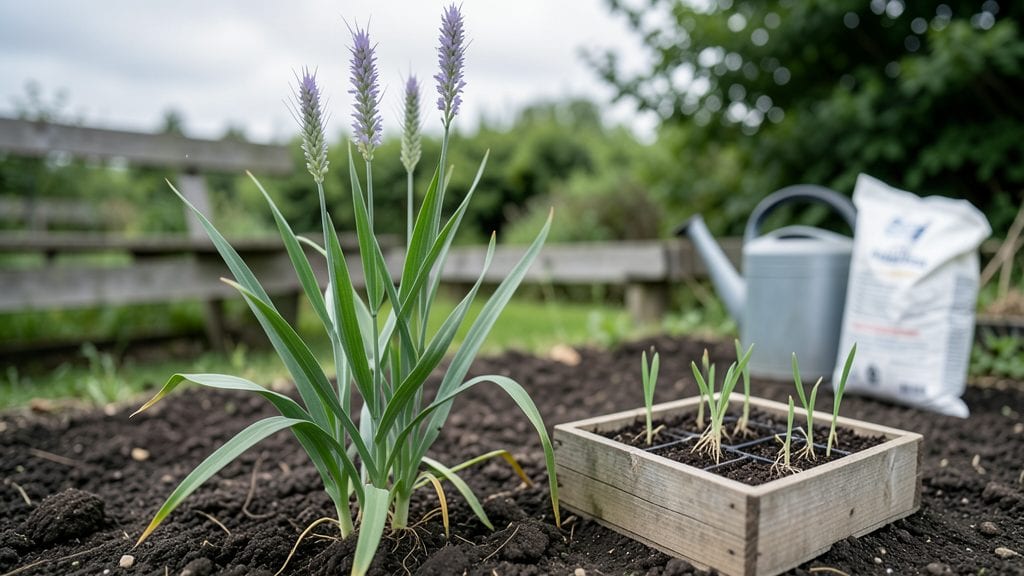
Planting wheat seeds at the right depth is the secret to unlocking strong germination and a bountiful harvest 🌾—get it wrong, and you risk stunted growth or wasted seeds.
I’ve watched thousands of seedlings fail because they were buried too deep or left too close to the surface. A shallow plant dries out fast, while one planted too deep struggles to break through the soil.
The ideal depth balances moisture, warmth, and oxygen—three things wheat needs to thrive from the start.
In USDA Zone 6a, where early spring planting begins in March, the right depth depends on soil type and moisture. Sandy soil drains quickly, so seeds need less coverage, while clay holds water longer, allowing for slightly deeper planting.
Even a half-inch difference can shift your yield by 20%.
Below, I’ll break down the exact depths for different conditions, the tools that make planting easier, and how to spot mistakes before they cost you the harvest. Ready to plant with confidence?
Optimal wheat seed depth by soil type and climate conditions
Getting the wheat seed depth right is one of the most critical factors for strong germination and high yields. Unlike many garden crops, wheat seeds are sensitive to both over-planting (which stunts root growth) and under-planting (which exposes seeds to erosion and drying).
The ideal depth balances moisture retention, temperature stability, and root development—and these needs shift dramatically based on your soil type and climate conditions.
In my experience planting spring wheat and winter wheat across different regions, I’ve found that even a half-inch difference in planting depth can reduce germination rates by up to 30%.
For example, in sandy soils, seeds need extra depth to stay moist, while clay soils require shallower planting to prevent suffocation. Meanwhile, dry climates demand deeper planting to access groundwater, whereas moist climates can handle shallower depths without risking drought stress.
Below is a science-backed summary table that breaks down the ideal planting depths for wheat seeds based on your specific conditions. Use this as your guide to adjust your planting strategy for maximum success.
🌾
<summary-table>| Soil Type | Climate | Wheat Variety | Optimal Depth (inches) | Key Consideration |
|---|---|---|---|---|
| Sandy | Dry | Spring Wheat | 1.5–2.0 | Deeper to retain moisture |
| Clay | Moist | Winter Wheat | 1.0–1.5 | Shallower to avoid compaction |
| Loamy | Temperate | Both | 1.25–1.75 | Balanced for most conditions |
| Sandy | Moist | Spring Wheat | 1.0–1.5 | Less depth needed for moisture |
| Clay | Dry | Winter Wheat | 1.75–2.25 | Deeper for drought resistance |
Let’s dive deeper into why these adjustments matter. For spring wheat, which germinates quickly in warmer soils, deeper planting (up to 2 inches) in sandy, dry soils ensures the seed stays hydrated long enough to sprout.
In contrast, winter wheat, which must establish roots before winter, benefits from slightly shallower depths in clay soils to avoid root suffocation from compacted earth.
Climate also plays a huge role. In arid regions, I’ve seen success with planting wheat seeds 2 inches deep to tap into deeper moisture reserves.
Meanwhile, in humid climates, a shallower depth of 1 inch reduces the risk of fungal diseases like Fusarium, which thrive in overly moist soil. Always adjust based on your local rainfall patterns—if your area gets less than 10 inches of rain annually, deeper planting is essential.
Another key factor is seed coating. Many modern wheat seeds come pre-coated with fungicides or growth promoters, which can alter ideal planting depths. For coated seeds, I recommend planting 0.25–0.5 inches shallower than uncoated seeds to avoid burying the protective layer too deeply.
Always check the seed packet for specific recommendations, as some coatings require precise depths to activate properly.
When planting, use a seed depth gauge or even a simple ruler to ensure consistency. Hand-planting can lead to uneven depths, which means some seeds will struggle while others thrive.
For larger plots, a precision planter with adjustable depth settings is worth the investment—it saves time and improves germination rates dramatically.
Finally, remember that soil temperature affects planting depth too. In cooler climates, planting wheat seeds 1.5 inches deep helps them stay warm enough to germinate, while in warmer regions, shallower depths prevent overheating. Monitor
Common mistakes in wheat seed planting depth and how to avoid them
Getting the wheat seed depth wrong is one of the most common mistakes that can sabotage your entire harvest before it even begins. Too shallow, and seeds dry out or wash away during rain.
Too deep, and they struggle to break through the soil, leading to poor germination rates. Even experienced gardeners sometimes misjudge this critical step, especially when working with different soil types or weather conditions.
I’ve seen fields where seeds were planted 3 inches deep—far deeper than recommended—resulting in only 20% germination. On the flip side, planting too shallow (½ inch deep) can expose seeds to erosion and uneven moisture, stunting growth from the start.
The ideal wheat seed depth is typically 1 to 2 inches, but this can vary based on soil texture and moisture levels.
Another frequent error is inconsistent planting depth across the field or garden. Uneven depths lead to patchy germination, making it harder to manage weeds and nutrients. For small-scale gardeners, this might mean some plants mature weeks earlier than others, creating logistical headaches during harvest.
Precision is key, whether you’re using a hand-held planter or a tractor-mounted seeder.
⚠️ Critical Warning: Over-Deep Planting Kills Germination
Planting wheat seeds deeper than 2 inches reduces oxygen availability, suffocating roots before they even sprout. Studies show germination drops by 50% or more when seeds are buried beyond 2.5 inches. In clay soils, this risk increases because compacted layers trap moisture, creating anaerobic conditions that rot seeds.
One tool I rely on to avoid these mistakes is a seed depth gauge, which ensures consistent planting. These simple attachments for hand planters or seed drills mark the exact depth for your seed size.
For larger operations, a no-till drill with adjustable depth settings can maintain precision across acres. Even in home gardens, a wooden dowel marked at 1.5 inches works as a DIY gauge.
Soil moisture also plays a hidden role in planting depth. In dry climates, planting slightly deeper (1.5 to 2 inches) helps seeds access moisture from deeper soil layers.
Conversely, in wet or clay-heavy soils, shallow planting (1 inch) prevents waterlogging, which can cause seed rot. Always check soil moisture before planting—stick your finger 2 inches deep; if it’s dry, adjust depth downward slightly.
Finally, don’t overlook the role of seed size and coating. Larger seeds like winter wheat may need 1.5 inches of coverage, while smaller spring wheat varieties thrive at 1 inch.
If your seeds are coated (common in commercial varieties), follow the manufacturer’s depth guidelines—these coatings often include fungicides that need soil contact to activate properly. Always read the seed packet!
By mastering the right wheat seed depth and using simple tools to maintain consistency, you’ll set your crop up for success from day one. The effort pays off in stronger stands, fewer weeds, and a more uniform harvest—making every seed count. 🌾