Flowers
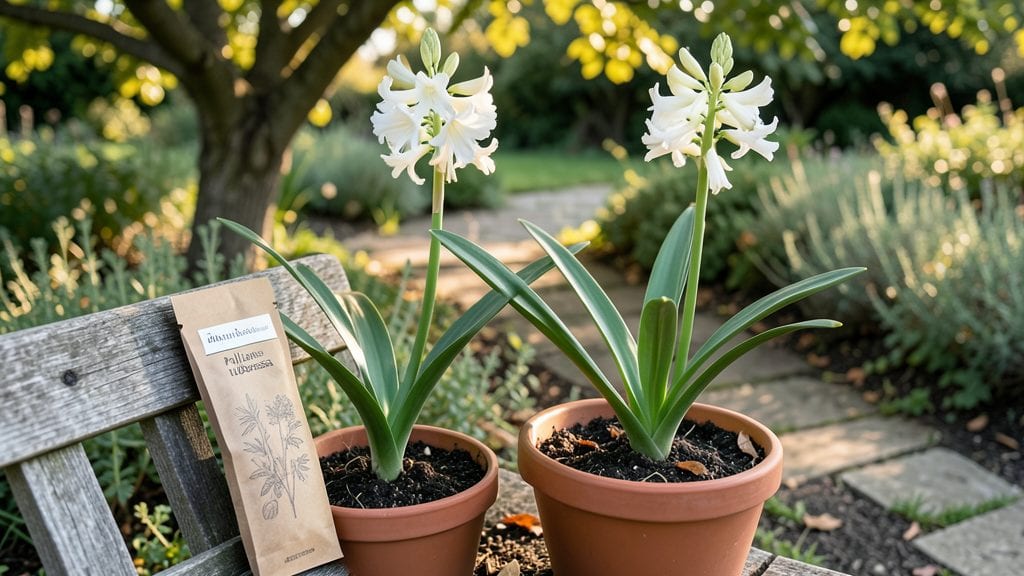
Growing tuberose flower seeds brings a moonlit fragrance to your garden that no store-bought bouquet can match. 🌙 I’ve grown these velvety white blooms for years, and the first time I smelled their intoxicating nighttime perfume, I knew I’d never go back to cut flowers.
The secret isn’t just patience—it’s recreating their native tropical conditions in your own space.
You’ll need warm soil (70–80°F), bright indirect light, and a humid environment to coax those tiny seeds into sprouts.
Most gardeners struggle with germination because they rush it—tuberoses take 4–8 weeks to break through the soil, but once they do, they reward you with glossy, sword-like leaves that promise blooms ahead. The key is consistency: keep the soil moist but never soggy, and protect seedlings from drafts.
By midsummer, you’ll be rewarded with stems heavy with waxy white flowers that open only after sunset, releasing their signature vanilla-cinnamon scent. The blooms last just one night, but the magic is in the experience—imagine stepping into your garden at dusk and being surrounded by that heady, romantic aroma.
With the right care, your tuberoses will multiply and naturalize, creating a fragrant border that neighbors will envy.
Perfect for warm climates (zones 8–11), but container growing lets you enjoy them almost anywhere. Once established, they’re drought-tolerant and spread easily—just be prepared for their aggressive growth habit. Here’s how to turn those tiny seeds into a garden centerpiece that works harder than any other flower.
📚 In This Guide
- What you need
- Instructions
- Tips and common mistakes
- Wrapping up and next steps
What you need
- ● Tuberose flower seeds: High-quality, fresh seeds (preferably organic or from a trusted supplier). Aim for at least 5-10 seeds to increase germination chances.
- ● Seed-starting trays or small pots: 2-3 inch pots or a seed tray with drainage holes (6-12 trays/pots total).
- ● Seed-starting mix: Lightweight, well-draining potting soil (avoid garden soil—it’s too dense!). A sterilized mix with perlite or vermiculite works best.
- ● Plastic wrap or humidity dome: To retain moisture and warmth during germination.
- ● Grow lights or sunny windowsill: Tuberose seeds need 6-8 hours of indirect light daily (south-facing windows or LED grow lights work well).
- ● Watering can or spray bottle: With a fine mist nozzle to avoid disturbing seeds.
- ○ Fertilizer (optional but helpful): A balanced, water-soluble fertilizer (e.g., 10-10-10 or 20-20-20) diluted to half-strength for seedlings.
- ● Tweezers or small spoon: For gently placing seeds into the soil.
- ○ Heat mat (optional): Keeps soil warm (70-80°F) to speed up germination—especially useful in cooler climates.
- ● Transplanting tools: Small trowel or spoon for moving seedlings to larger pots or the garden.
- ● Stakes or supports: Tall, slender stakes (4-6 feet) for mature plants—they’ll need support as they grow!
- ● Patience & consistency: Tuberose seeds can be slow to germinate (3-6 weeks) and thrive with regular care.
Step-by-Step guide to growing tuberose from seeds
Here's how I transform delicate tuberose seeds into fragrant night-blooming stars—with patience and precision.
🌱 Step 1: Stratify Seeds for Successful Germination
Tuberose seeds need cold stratification to break dormancy. Place them in a sealed plastic bag with moistened peat moss (just damp, not soggy). Store the bag in your refrigerator's crisper drawer for 6-8 weeks—this mimics winter conditions and triggers germination.
Check weekly for mold (discard any seeds showing fuzzy growth). After 8 weeks, remove the bag and let the seeds sit at room temperature for 24 hours before sowing. This gradual warming jumpstarts the metabolic processes inside the seed.
💧 Step 2: Sow in Warm, Well-Draining Soil
Fill 4-inch pots with a mix of 50% potting soil and 50% perlite (this prevents rot). Plant seeds ¼ inch deep—any deeper delays sprouting. Space them 1 inch apart since tuberose seedlings are delicate and need room to establish.
Keep the soil at 70-75°F using a seedling heat mat. Cover pots with clear plastic wrap to retain humidity, but remove it daily for 10 minutes to prevent fungal buildup. Germination takes 4-8 weeks, so patience is key—don't disturb the soil until you see green shoots.
☀️ Step 3: Provide High Humidity and Indirect Light
Once sprouted, move seedlings to a bright, indirect light spot (no direct sun yet). Tuberoses hate harsh afternoon rays at this stage. Use a humidity dome or place pots on a tray of pebbles with water to maintain 60-70% humidity—their natural tropical habitat.
Water gently from the bottom (place pots in ½ inch of water for 10 minutes) to avoid disturbing roots. You'll know moisture is right when the soil surface feels damp but not wet. After 4 weeks, when seedlings have 2-3 true leaves, gradually introduce morning sun for 1 hour daily.
🪴 Step 4: Transplant and Support for Strong Growth
After 8-10 weeks, when seedlings reach 6 inches tall, transplant them into 6-inch pots with the same soil mix. Bury stems ½ inch deeper than before to encourage root development. Stake each plant immediately with 3-foot bamboo stakes—tuberoses grow top-heavy and need support.
Tie stems loosely to stakes with soft garden twine every 2 weeks as they grow. Place pots in full sun (6+ hours daily) and water when the top 1 inch of soil feels dry. Avoid wetting leaves to prevent fungal diseases. You'll see blooms in 12-18 months—worth the wait for their intoxicating fragrance!
⏰ Step 5: Overwinter and Encourage First Flowers
In winter, reduce watering to keep soil barely moist and move plants to a cool (55-65°F) spot with bright indirect light. Resume normal care in spring. By their second year, tuberoses will reward you with creamy-white, trumpet-shaped blooms that open at night and close by morning.
Deadhead spent blooms to redirect energy to root growth. Fertilize lightly every 4 weeks with a balanced 10-10-10 formula during active growth. With proper care, your tuberoses will multiply and naturalize, filling your garden with their signature nighttime perfume for decades.
Tips & tricks for growing tuberose from seeds
Transforming tuberose seeds into fragrant blooms requires precision—here's how to avoid common pitfalls and maximize success.
The Stratification Secret: During the 6-8 week cold stratification in Step 1, place a small piece of paper with your seed variety and date inside the bag. This prevents mix-ups if you're working with multiple seed types. I've ruined batches by forgetting which seeds were which after weeks in the fridge! The 24-hour room temperature acclimation afterward is equally critical—rush this step and you risk shocking the seeds instead of jumpstarting germination.
Soil Science Matters: In Step 2, when mixing your 50% potting soil and 50% perlite, sift the perlite first to remove any fine particles that could compact. The goal is to maintain that airy texture that prevents rot—tuberose roots need oxygen as much as water. After planting, gently press the soil around seeds rather than packing it down, which can create air pockets that delay sprouting.
Light Transition Strategy: The gradual light introduction in Step 3 is where most growers fail. Start with just 1 hour of morning sun after those 4 weeks of indirect light, then increase by 30 minutes every 5 days. Sudden exposure to full sun can scorch delicate seedlings—think of it like sunbathing after winter hibernation. I've seen seedlings go from vibrant green to crispy brown overnight when moved too quickly.
Staking System: For Step 4, use soft garden twine rather than wire when tying stems to stakes. The plants will grow vigorously, and wire can cut into tender stems as they thicken. Loosen the twine every 2 weeks during the tying process—just enough to prevent restriction while still providing support. This simple adjustment can mean the difference between healthy growth and stunted plants struggling against their own support.
Pro Tips for Tuberose Flower Seeds
- Transforming tuberose seeds into fragrant blooms requires precision—here's how to avoid common pitfalls and maximize success.
- The Stratification Secret: During the 6-8 week cold stratification in Step 1, place a small piece of paper with your seed variety and date inside the bag.
- Soil Science Matters: In Step 2, when mixing your 50% potting soil and 50% perlite, sift the perlite first to remove any fine particles that could compact.
Frequently asked questions
Got questions about growing tuberose flower seeds? You’re not alone! Here are answers to the most common queries to help you cultivate these fragrant beauties with confidence.
How long does it take for tuberose seeds to germinate?
Patience is key! Tuberose seeds typically take 2–4 weeks to germinate, especially in warm (70–85°F) and moist conditions. If you’re using pre-soaked seeds, germination may happen even faster—just keep the soil consistently damp and avoid overwatering. Pro tip: A humidity dome or plastic wrap can speed things up!
Why aren’t my tuberose flowers blooming at night?
Tuberoses are strictly nocturnal, so if they’re not opening after dark, check these factors:
- Light exposure: They need full sun during the day (6+ hours) to fuel nighttime blooms.
- Temperature: Cooler evenings (below 75°F) trigger blooming. Heatwaves can delay or prevent it.
- Maturity: Young plants may take 6–12 months to bloom. Be patient!
Can I grow tuberose seeds indoors?
Use a sunny windowsill or grow lights (12+ hours/day) to mimic outdoor conditions. Start seeds in small pots with well-draining soil, and transplant outdoors after the last frost once they’re 3–4 inches tall. Bonus: A greenhouse or balcony works too—just ensure good airflow to prevent fungal issues.
What’s the best way to harvest tuberose seeds for planting?
Harvest seeds from fully mature, brown pods (after blooms wilt). Open the pod carefully—seeds inside should be plump and dark. Store them in a cool, dry place (like a paper envelope) for up to 1 year. For faster germination, soak seeds in lukewarm water for 24 hours before planting.
Are there alternatives to tuberose seeds for fragrance?
If tuberoses seem tricky, try these fragrant, night-scented alternatives:
- Night-blooming jasmine (Cestrum nocturnum) – Sweet, jasmine-like fragrance.
- Moonflower (Ipomoea alba) – Large, creamy-white blooms that open at dusk.
- Angel’s trumpet (Brugmansia) – Dramatic, tropical scent (but toxic—wear gloves!).
Wrapping up and next steps
Growing tuberose flower seeds is a rewarding journey that brings the enchanting beauty and intoxicating fragrance of night-blooming tubers right to your garden! 🌙 With the right soil, patience, and care—especially during germination and the delicate transplanting phase—you’ll soon enjoy their velvety white blooms and sweet, jasmine-like scent.
Whether you’re a seasoned gardener or a beginner, this fragrant addition will elevate your outdoor space.
Ready to dive in? Start by gathering your supplies, then plant those seeds today—your garden’s next masterpiece is just a few steps away! 🌱