Plants
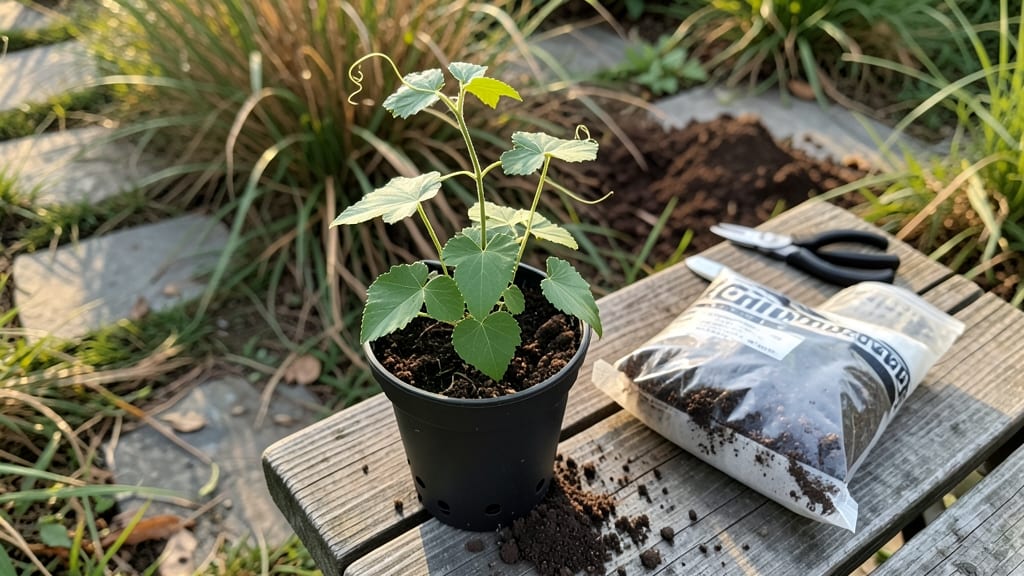
Growing trumpet vine seedlings through cold stratification unlocks vibrant blooms in just one growing season—a game-changer for impatient gardeners. I’ve struggled with slow germination before, but this method cuts the wait dramatically by mimicking nature’s timing.
The key lies in preparing the soil and seeds properly, ensuring they break dormancy at the right moment for rapid growth.
You’ll need well-draining soil, a sunny spot with at least 6 hours of direct light daily, and a patient approach to watering—too much moisture drowns these seedlings before they take root. Trumpet vines are aggressive climbers, so spacing them 10-15 feet apart prevents overcrowding and ensures strong stems.
Early care focuses on keeping the soil consistently moist but not soggy, which is where most beginners trip up.
By midsummer, you’ll see lush, deep-green foliage and the first trumpet-shaped blooms emerging—bright orange or yellow, depending on the variety. The fast-bloom method skips the years of waiting for mature plants, delivering bold color and hummingbird activity within months.
Just be prepared for their rapid growth; these vines grow 10-15 feet per season if given the right conditions.
This technique works best in USDA zones 4-9, where cold winters naturally stratify seeds. For warmer climates, a DIY cold stratification setup (like a fridge for 6-8 weeks) replicates the process.
The trade-off? Trumpet vines can be invasive, so contain them with trellises or barriers if needed. Let’s get those seedlings blooming faster than ever.
📚 In This Guide
- What you need
- Instructions
- Tips and common mistakes
- Wrapping up and next steps
What you need
- ● Trumpet vine seeds – 5–10 seeds (fresh or stored properly). Pro tip: Look for seeds labeled "non-GMO" or "organic" for best results!
- ● Cold-stratification setup: 1 small plastic bag (resealable, quart-sized) or a paper towel
- ● 1 cup moistened potting mix or sphagnum moss (keep damp but not soggy)
- ○ 1 ziplock bag (optional, for extra humidity)
- ● Refrigerator – A standard fridge set to 34–40°F (1–4°C) for stratification
- ● Planting containers – 2–4 small pots (3–4 inches in diameter) with drainage holes
- ● Well-draining potting soil – 2–3 cups (mix with perlite or sand for aeration)
- ● Watering can or spray bottle (for gentle hydration)
- ● Grow lights or sunny windowsill – A spot with 6+ hours of indirect light daily
- ○ Seed-starting tray – For organized germination (optional but handy!)
- ● Heat mat – Speeds up germination (set to 70–75°F (21–24°C))
- ● Humidity dome – Helps retain moisture during early growth
- ● Fertilizer – A balanced liquid fertilizer (10-10-10) for post-germination feeding
- ● Pruning shears – For trimming leggy seedlings later
- ● Garden gloves – Protects hands from soil and sap
- ● Time commitment – 4–8 weeks for cold stratification + 2–3 months for seedlings to mature
- ● Patience – Trumpet vines grow fast, but early stages require gentle care!
- ● Outdoor space or trellis – Trumpet vines are vigorous climbers; plan for support!
Instructions for cold-stratified trumpet vine seedlings
This method accelerates germination and ensures vigorous growth for a fast-blooming trumpet vine.
Harvest and Prepare Seeds
Collect trumpet vine seeds from fully mature seed pods—look for pods that have turned brown and split open naturally. Extract the seeds carefully, as they must remain intact for successful stratification. I recommend processing them immediately after harvest to prevent drying, which compromises viability.
Place the seeds in a paper towel or breathable cloth and store them in a sealed container with a damp (not wet) paper towel at the bottom. This maintains moisture without creating anaerobic conditions. Keep the container in the refrigerator at 35-40°F for 6-8 weeks—this cold stratification mimics winter conditions and breaks seed dormancy.
Sow Stratified Seeds in Containers
Use 4-inch diameter pots filled with a sterile seed-starting mix—never garden soil, as it can harbor pathogens that stunt seedlings. Moisten the mix until it holds together when squeezed but doesn’t drip. Plant two seeds per pot at a depth of ¼ inch, spacing them 1 inch apart to allow for easy thinning later.
Cover the pots with clear plastic wrap or a humidity dome to retain moisture and warmth. Place them in a warm location (70-75°F) away from direct sunlight, as seeds need consistent temperature to germinate. Check daily for condensation—if the plastic fogs up, remove it briefly to prevent fungal growth.
Monitor Germination and Transplant
Germination typically occurs within 4-6 weeks after sowing, though some seeds may take up to 8 weeks. You’ll know it’s time when the first true leaves (not the initial seed leaves) appear. At this stage, thin the seedlings, keeping only the strongest one per pot to avoid competition for nutrients.
Once seedlings have 4-6 true leaves, harden them off by gradually exposing them to outdoor conditions over 7-10 days. Start with 1-2 hours of shade and slowly increase sunlight and wind exposure. This prepares them for transplanting into the garden once nighttime temperatures consistently stay above 50°F.
Plant Outdoors for Fast Bloom
Choose a sunny location with full sun exposure (6+ hours daily) and well-draining soil. Dig a hole twice as wide as the root ball but no deeper. Gently remove the seedling from its pot, loosen the roots if they’re circling, and place it in the hole, ensuring the top of the root ball sits 1 inch below soil level for stability.
Backfill with native soil, tamp lightly to remove air pockets, and water deeply to settle the roots. Mulch with 2-3 inches of organic mulch to retain moisture and suppress weeds. With proper care, your trumpet vine should begin flowering within 1-2 years, though some varieties may bloom earlier if grown in ideal conditions.
Tips & tricks for perfect cold-stratified trumpet vine seedlings
Mastering this cold-stratification method ensures your trumpet vine seedlings will emerge strong and bloom quickly—here's how to optimize every step for success.
Stratification Precision: The 6-8 week cold stratification at 35-40°F is non-negotiable for trumpet vine seeds. Use your refrigerator's crisper drawer for the most stable temperature range. I've found that placing the container on a wire rack prevents moisture buildup at the bottom, which can lead to mold. For faster results, you can extend stratification to 10 weeks if your seeds haven't shown signs of germination by week 8.
Container Selection: While 4-inch pots work well, consider using seedling trays with individual cells for better organization and easier thinning later. If using pots, ensure they have drainage holes to prevent waterlogging. I've had success with biodegradable peat pots that can be planted directly into the garden, eliminating transplant shock entirely.
Germination Environment: Maintaining the 70-75°F warm location is crucial after sowing. I recommend using a seedling heat mat set to 75°F for consistent warmth. Place your containers in a location with indirect light—natural light from an east-facing window works perfectly. Avoid using grow lights at this stage as they can overheat the seeds and prevent proper germination.
Transplant Timing: The 7-10 day hardening off period is essential for preparing seedlings for outdoor conditions. Start with just 1-2 hours of shade on day one, then gradually increase exposure. I've found that using a small shade cloth (30-50% shade) during the initial hardening off period helps prevent sunburn on tender new leaves while still allowing them to acclimate to outdoor conditions.
Pro Tips for Trumpet Vine Seedling
- Mastering this cold-stratification method ensures your trumpet vine seedlings will emerge strong and bloom quickly—here's how to optimize every step for success.
- Stratification Precision: The 6-8 week cold stratification at 35-40°F is non-negotiable for trumpet vine seeds.
- Container Selection: While 4-inch pots work well, consider using seedling trays with individual cells for better organization and easier thinning later.
Frequently asked questions
Got questions about growing trumpet vine seedlings using the cold-stratified fast-bloom method? You’re not alone! Here are some of the most common queries—and answers—to help you succeed.
How long does cold stratification need to last for trumpet vine seeds?
Trumpet vine seeds typically require 60–90 days of cold stratification in moist peat or a refrigerator. Place them in a sealed bag with damp paper towels, then store at 34–40°F (1–4°C) for best results. Patience pays off—this mimics winter conditions and breaks seed dormancy for faster germination!
Can I speed up germination without cold stratification?
While cold stratification is ideal, you can try soaking seeds in warm water for 24 hours or using a seed scarifier to nick the hard outer shell. However, germination may be slower or less reliable. For best success, stick with the cold-stratified method—it’s worth the wait!
What’s the best soil mix for trumpet vine seedlings?
Use a well-draining, slightly acidic mix (pH 6.0–7.0) like:
- 50% peat moss or coconut coir
- 30% perlite or vermiculite
- 20% compost or worm castings
Why aren’t my trumpet vine seeds sprouting after stratification?
Check these common culprits:
- Old seeds: Trumpet vine seeds lose viability after 1–2 years. Test freshness!
- Improper moisture: Soil should stay evenly damp (not waterlogged or dry).
- Temperature shock: Avoid sudden warmth after stratification—keep seeds at 65–75°F (18–24°C) for germination.
Can I transplant trumpet vine seedlings outdoors too soon?
Wait until seedlings have 3–4 true leaves and are at least 3–4 inches tall. Harden them off for 7–10 days by placing them in shade outdoors, gradually increasing sun exposure. Trumpet vines are hardy to USDA Zones 5–10, but young plants need protection from late frosts (below 20°F/-7°C).
Wrapping up and next steps
Growing a trumpet vine seedling from cold-stratified seeds is a rewarding way to bring vibrant blooms to your garden—fast!
With patience and the right techniques, you’ll soon enjoy those stunning orange trumpet flowers. Now that you’re armed with the knowledge, why not start your seedlings today? Grab those seeds, follow the steps, and watch your garden transform into a lively, colorful haven.
🌱 Next Step: Once your seedlings sprout, transplant them into pots or directly into the ground (when frost risk passes). Keep an eye on their growth—soon, you’ll be admiring those breathtaking blooms! 🌸