Plants
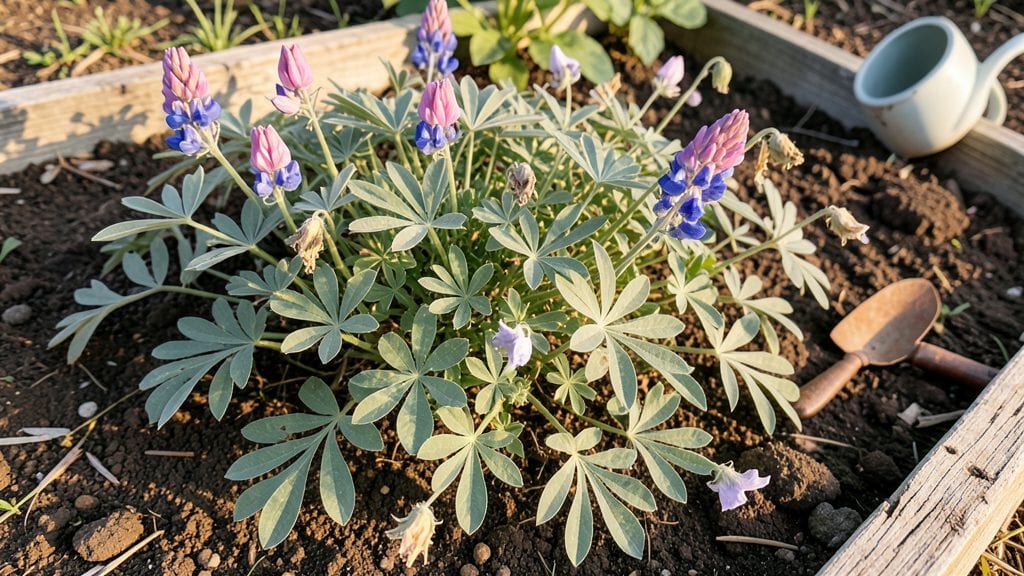
Those delicate pink seed pods you’ve spotted—sweet peas, periwinkle, or ornamental beans—are easier to grow than you think, especially with cold stratification. 🌱 I’ve turned my backyard into a riot of pink pods by mimicking nature’s winter chill, and in just six weeks, you’ll see the same magic happen in your garden.
The secret lies in timing and patience. Start with seeds that need a cold snap—like sweet peas or periwinkle—to break dormancy. Plant them in well-draining soil, keep them moist but not soggy, and give them full sun.
Most varieties bloom within 8-10 weeks, but the pods take another 4-6 weeks to mature, turning from green to their signature blush.
By summer’s end, you’ll have clusters of pink seed pods perfect for cutting gardens, seed-saving, or even drying for crafts. The fragrance alone—especially from sweet peas—will draw bees and butterflies to your space. Ready to grow your own?
Works for both ornamental beds and small containers, so whether you’ve got a full yard or just a sunny windowsill, these plants deliver. Let’s get those seeds started!
Understanding Seed Pod Color Shifts
Pink seed pods—whether on your prized okra, delicate sweet peas, or ornamental sweet gum trees—can signal fascinating (and sometimes frustrating) biological processes. While vibrant pink hues often indicate healthy development, shifts in color can also reveal underlying issues.
Let’s break down the science behind why your seed pods turn pink, from natural maturation to stress responses.
Some plants intentionally produce pink seed pods as part of their natural lifecycle. This isn’t a problem—it’s a genetic quirk!
- Okra (Abelmoschus esculentus): Certain varieties, like ‘Clemson Spineless’ or ‘Emerald,’ develop pinkish-purple pods as they mature. This is due to anthocyanin pigments, which protect seeds from UV damage and attract pollinators. - Sweet Peas (Lathyrus odoratus): Hybrid cultivars often display pink or magenta pods when fully ripe.
Breeders select for these colors to enhance ornamental appeal. - Sweet Gum (Liquidambar styraciflua): The iconic "gumball" seed clusters turn pinkish before splitting open—a sign of seed readiness for dispersal.
💡 Pro Tip: If your plant’s pods turn pink consistently and the seeds inside are viable, you’re likely dealing with a desirable trait, not a defect.
Pink or purplish hues can also scream "Help! I’m malnourished!" when pods fail to develop properly.
| Deficiency | Symptoms in Seed Pods | How to Fix It |
|---|---|---|
| Phosphorus (P) | Dark pink/purple blotches, stunted pods | Apply bone meal or rock phosphate to soil. Test pH (ideal: 6.0–7.0). |
| Potassium (K) | Weak, shriveled pods with pink edges | Use potassium sulfate or wood ash. Avoid over-fertilizing with nitrogen. |
| Magnesium (Mg) | Interveinal pinkish-yellow patches | Add Epsom salt (magnesium sulfate) to soil or foliar spray. |
🌡️ Watch Out: Overwatering or compacted soil can worsen deficiencies by limiting root access to nutrients. Ensure 6–8 inches of well-draining soil and mulch to retain moisture without suffocating roots.
Extreme heat or cold can trigger abnormal pigmentation in seed pods, often as a survival mechanism.
- Heat Stress (Above 90°F):
- Pods may develop pinkish-red streaks due to ethylene gas buildup (a stress hormone).
- Solution: Provide afternoon shade (use shade cloth) and consistent watering to cool roots.
- Cold Stress (Below 50°F at Night):
- Some plants, like winter squash, produce pink-tinged pods when exposed to chilling temperatures before flowering.
- Solution: Use row covers or grow in warmer microclimates (e.g., near south-facing walls).
- Sun Scorch:
- Direct, intense sunlight can cause pinkish discoloration on pod surfaces.
- Fix: Train vines (e.g., sweet peas) to grow on trellises for even light exposure.
✨ Did You Know? Some plants, like four o’clock flowers (Mirabilis jalapa), use color changes to signal optimal pollination times—pink pods may appear when conditions are ideal!
While rare, pathogens and pests can induce pink or reddish hues as a defense response—or as a side effect of damage.
- Powdery Mildew (Fungi):
- Causes pinkish-gray fuzzy patches on pods (common in cucurbits like okra).
- Prevent: Spray with neem oil or baking soda mix (1 tsp baking soda + 1 quart water + a drop of soap).
- Aphid or Spider Mite Damage:
- Sap-sucking pests trigger stress pigments, leading to pinkish mottling.
- Combat: Introduce ladybugs or use insecticidal soap.
- Bacterial Blight (Xanthomonas):
- Produces water-soaked pink lesions that ooze when pressed.
- Act Fast: Remove infected pods immediately and sterilize tools with rubbing alcohol.
🔥 Emergency Tip: If pods are soft, mushy, or oozing, isolate the plant to prevent spread. Dispose of affected pods in the trash (not compost).
Sometimes, hormonal signals go haywire, leading to unexpected pod colors.
- Ethylene Overproduction:
- Poor air circulation or overcrowded plants can cause pods to release excess ethylene, triggering pinkish hues.
- Fix: Prune plants for better airflow and avoid ethylene-producing pesticides (e.g., some fumigants).
- Failed Pollination:
- If flowers aren’t pollinated properly, some plants (like tomatoes) may develop small, pinkish pods instead of maturing normally.
- Solution: Hand-pollinate with a soft brush or attract bees with native flowering plants.
🎯 Key Takeaway: Pink pods from pollination issues are often sterile—check inside for undeveloped seeds.
Fixing Pink Seed Pod Issues
If your pink seed pods aren’t thriving—or worse, are struggling to germinate or grow—don’t worry! Most issues have simple, practical fixes. Below, we’ve mapped common problems to their solutions, along with prevention tips to keep your plants healthy and productive. Let’s turn those challenges into blooming success!
Cause: Cold stratification wasn’t done correctly, or seeds are too old. Fix:
- ❄️ Re-stratify the seeds (if they’re fresh but not sprouting):
- Place seeds in a damp paper towel, seal in a plastic bag, and refrigerate for 4–6 weeks.
- Check weekly for moisture—don’t let them dry out!
- 🌡️ Warm them up afterward:
- Once stratified, move seeds to a warm spot (70–75°F) to encourage germination.
- Use a seedling heat mat if your home stays cool.
Prevention Tips: 💡 Test seed viability first: Soak a few in water for 24 hours—if they sink, they’re likely good! 🌱 Store seeds properly: Keep them in a cool, dry place (like a fridge) to extend freshness.
Cause: Not enough light or inconsistent watering. Fix:
- ☀️ Move to brighter light immediately:
- Place seedlings near a south-facing window or under grow lights (12–16 hours/day).
- If using artificial light, keep it 2–4 inches above seedlings to prevent stretching.
- 💧 Adjust watering habits:
- Water only when the top inch of soil is dry—overwatering causes root rot!
- Use a spray bottle for gentle moisture to avoid disturbing delicate stems.
Prevention Tips: ✨ Start with the right containers: Use shallow trays (2–3 inches deep) to prevent overcrowding. 🌡️ Maintain consistent temps: Avoid drafts or sudden heat changes—seedlings hate instability!
Cause: Overwatering, nutrient deficiency, or fungal issues. Fix:
- 🚰 Check drainage first:
- Ensure pots have drainage holes—if not, repot immediately.
- Let soil dry completely between waterings (stick your finger in—if it’s soggy, hold off!).
- 🍄 Treat fungal concerns:
- Spritz leaves with a 1:10 hydrogen peroxide-water mix (3% solution) to kill fungus.
- Avoid wetting foliage when watering—water at the base instead.
Prevention Tips: 💪 Fertilize lightly: Use a balanced, diluted fertilizer (5-5-5) every 2–3 weeks once seedlings have true leaves. 🌿 Space plants properly: Crowding leads to poor airflow—keep seedlings 2–3 inches apart.
Cause: Insufficient sunlight, lack of pollination, or improper soil pH. Fix:
- 🔦 Boost light exposure:
- If indoors, supplement with LED grow lights (full-spectrum bulbs work best).
- Outdoors? Move plants to a sunniest spot (6+ hours of direct sun).
- 🐝 Encourage pollination:
- Gently shake plants or use a soft paintbrush to transfer pollen if no bees visit.
- For indoor plants, try a small handheld fan on low to mimic wind pollination.
Prevention Tips: 🌡️ Monitor soil pH: Test your soil—pink seed pods thrive in slightly acidic to neutral pH (6.0–7.0). 🍃 Deadhead spent blooms: Remove faded flowers to redirect energy to new pods.
Cause: Weak plants attract pests, or outdoor plants get exposed to bugs. Fix:
- 🐜 Spot-treat infestations early:
- Neem oil spray (1 tsp neem oil + 1 tsp mild soap + 1 quart water) – spray every 5 days until pests vanish.
- Insecticidal soap works for soft-bodied pests like aphids.
- 🌿 Prevent future outbreaks:
- Introduce beneficial insects like ladybugs or lacewings.
- Isolate new plants for a week before adding them to your garden.
Prevention Tips: 🌿 Inspect plants weekly: Check undersides of leaves and stems for early signs. 💦 Water in the morning: Wet foliage dries faster, reducing pest habitats.
Want those pink seed pods faster?
Try these pro growth hacks: - 🌱 Use a seedling heat mat (keeps roots warm = faster sprouting). - 💧 Bottom-water seedlings (place trays in a shallow dish of water to encourage even moisture). - 🌿 Transplant early (once seedlings have 2–3 true leaves, move to individual pots with well-draining soil). - ☀️ Rotate plants weekly (ensures even light exposure, preventing lopsided growth).
Frequently asked questions
Which plants produce the prettiest pink seed pods for gardens?
Sweet peas (Lathyrus odoratus) and ornamental sweet gum trees (Liquidambar styraciflua) are top picks for vibrant pink pods. For smaller spaces, try periwinkle (Catharanthus roseus) or four o'clock flowers (Mirabilis jalapa), which develop striking pink seed casings. These varieties also attract pollinators while adding texture to arrangements.
Can I save seeds from pink seed pods for next year?
Let pods fully mature and dry on the plant before harvesting. For varieties like sweet peas, remove pods when they turn brown and brittle. Store seeds in a cool, dry place (like a sealed jar) for up to 3 years. Test viability by soaking a few in water—if they sink, they’re ready to plant!
Why are my pink seed pods splitting open too soon?
Overripe pods or inconsistent moisture cause premature splitting. Ensure plants get even watering (never soggy soil) and harvest pods when they’re firm but starting to soften. For delicate varieties like sweet peas, pick pods in the morning when humidity is highest to preserve their structure.
How can I use dried pink seed pods in crafts or arrangements?
Dried pods add texture to wreaths, potpourri, or dried floral arrangements. Clean pods thoroughly, then bake at 200°F for 1–2 hours to remove moisture. Use them as-is for rustic decor, or paint them for a pop of color. Sweet gum "gumballs" make especially striking centerpieces when grouped together.
Are pink seed pods edible, or just ornamental?
Some are edible! Young okra pods (like 'Clemson Spineless') turn pinkish and are delicious stir-fried. Sweet peas are edible too, though their pods are tough—focus on the tender seeds inside. Always research your specific plant variety before consuming, as some ornamental pods contain toxins (like castor beans).