Watering
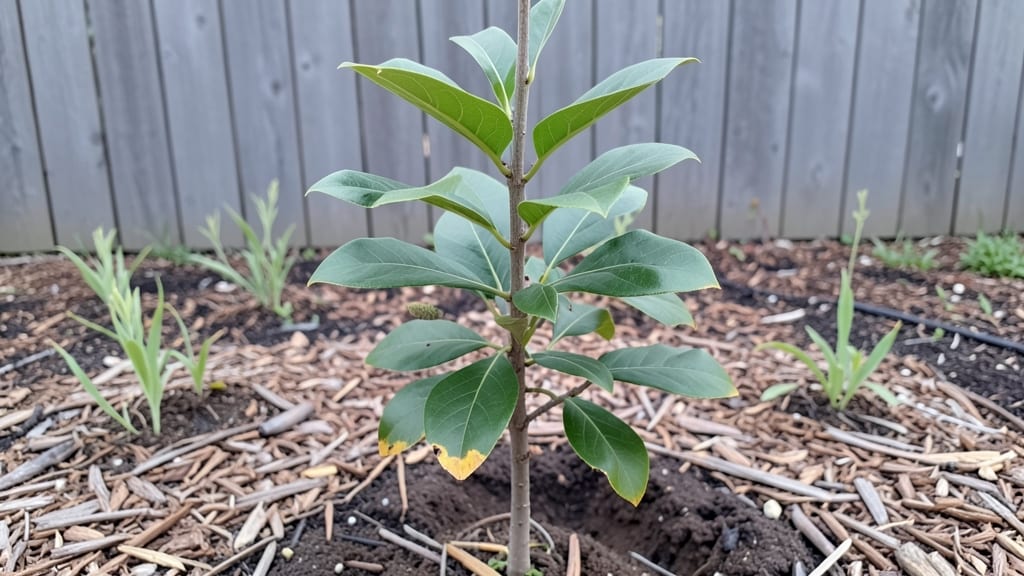
Growing a sweetbay magnolia seedling from scratch starts with a winter trick that mimics nature—cold stratification. I’ve watched these seedlings go from stubborn little nuts to lush, fragrant trees, and the secret lies in patience and the right timing.
This isn’t just about planting; it’s about tricking the seed into thinking it’s already survived a cold winter, so it’ll burst to life when spring arrives.
The real magic happens in USDA zones 5-9, where these seedlings thrive once they break dormancy. You’ll need well-draining soil, a spot with morning sun and afternoon shade, and a watering routine that keeps the roots happy without drowning them.
Most people rush the process, but skipping the cold stratification step means waiting years—or never—seeing those iconic white blooms. Trust me, the wait is worth it.
By the time spring rolls around, you’ll have a seedling that’s already ahead of the game—strong roots, sturdy stems, and the promise of glossy leaves and future fragrance. The first year is all about watching it grow, not about forcing blooms.
With the right care, you’ll be rewarded with a tree that lives for decades, its silvery undersides and creamy flowers becoming the centerpiece of your yard.
Here’s the thing—sweetbay magnolias aren’t fussy once established, but those first few months set the tone. Too much water? Roots rot. Too little shade? Leaves scorch. Get this right, and you’re set for years of low-maintenance beauty. Let’s get those seeds stratified and growing strong.
📚 In This Guide
- What you need
- Instructions
- Tips and common mistakes
- Wrapping up and next steps
What you need
- ● Sweetbay magnolia seeds: Fresh or recently harvested (preferably from a mature, healthy tree). Aim for at least 10–15 seeds to increase your chances of success.
- ● Cold stratification supplies: Plastic storage bag (resealable, quart-sized or larger)
- ● Potting mix (well-draining, peat-based or coco coir blend)
- ● Small containers (e.g., 4–6 oz plastic cups or seedling trays with drainage holes)
- ● Growing medium: 1 part perlite or coarse sand (for drainage)
- ● 1 part peat moss or coco coir (for moisture retention)
- ● Tools: Small hand trowel or spoon (for planting)
- ● Spray bottle (for gentle watering)
- ● Labeling tags + marker (to track seedling progress!)
- ● Grow lights (if natural light is limited in your space)
- ● Humidity dome or plastic wrap (to create a mini greenhouse effect)
- ○ Seedling heat mat (optional for faster germination in cooler climates)
- ● Fertilizer (balanced, low-nitrogen option like 5-5-5 once seedlings sprout)
Step-by-Step instructions for cold stratifying sweetbay magnolia seeds
Here's how I ensure reliable germination and strong seedlings every year.
Harvest and Prepare Seeds for Stratification
Collect mature sweetbay magnolia seeds in late fall when the cones open naturally. The seeds should be plump and dark brown—any lighter or shriveled ones won't germinate. Remove them from the cones and rinse off any pulp or debris with cool water. Let them air-dry completely on a paper towel for 24 hours before proceeding.
This drying step prevents mold during stratification. I spread the seeds in a single layer and place them in a warm, dry spot away from direct sunlight. Once fully dry, they're ready for the cold treatment that mimics winter conditions in nature.
Mix Seeds with Moist Sand for Stratification
Combine the dried seeds with an equal amount of moistened coarse sand in a sealed plastic bag. I use a quart-sized bag for about 40 seeds, which gives me enough room to shake everything thoroughly. The sand should feel damp like a wrung-out sponge—too wet and the seeds will rot, too dry and they won't break dormancy.
Seal the bag tightly, label it with the date and seed variety, then place it in the refrigerator. Store it on the middle shelf where the temperature stays consistently between 35-40°F. This cold treatment lasts 90-120 days, mimicking the winter period sweetbay magnolia seeds need to germinate successfully.
Check and Plant Stratified Seeds
After 90 days, remove the bag from the refrigerator and check for signs of germination. You'll see tiny sprouts or slightly swollen seeds—these are ready to plant. If no seeds have sprouted, give them another 30 days of cold treatment before trying again.
Plant the seeds ½ inch deep in a well-draining seed-starting mix in small pots. I use 4-inch pots for each seed to give roots plenty of room. Keep the soil consistently moist but never soggy—water only when the top inch feels dry to the touch. Place the pots in a shady spot until germination occurs, which typically takes 30-60 days after planting.
Provide Ideal Growing Conditions for Seedlings
Once seedlings emerge, move them to a location with bright, indirect light—direct sun can scorch their tender leaves. I keep mine under a grow light for 14-16 hours daily until they develop their first true leaves, which signals strong root establishment.
Water gently at the base of the seedlings to avoid disturbing the roots. Fertilize lightly with a balanced liquid fertilizer diluted to half strength every 4-6 weeks during the growing season. By the end of the first year, your seedlings should be 12-18 inches tall and ready for transplanting into the garden.
Tips & tricks for perfect sweetbay magnolia seedling germination
Sweetbay magnolia seeds need patience and precision—here's how to maximize your success with every step.
Seed Selection: When harvesting seeds in Step 1, focus on those that are plump and dark brown. I learned this the hard way after planting lighter seeds that never germinated. The dark color indicates full maturity and higher viability. Store any extra seeds in a cool, dry place if you can't stratify them immediately—they'll keep for several months.
Moisture Balance: In Step 2, achieving the right sand moisture is critical. I recommend squeezing a handful of the sand mix—it should release a few drops of water when pressed but not feel dripping wet. Too much moisture causes mold, while too little prevents dormancy breaking. If your sand feels dry after mixing, lightly mist it with a spray bottle before sealing the bag.
Temperature Consistency: Maintaining the 35-40°F range during the 90-120 day stratification in Step 2 is essential. I place a small thermometer in the fridge near the seeds to monitor temperature fluctuations. If your refrigerator runs warmer, consider using a seed stratification fridge or a DIY setup with a cooler and ice packs. Consistency is more important than exact temperature within this range.
Germination Timing: After the initial 90 days in Step 3, don't be discouraged if you don't see immediate sprouts. Some seeds may need the full 120 days. I've had batches where germination only began after the additional 30 days. Once planted, the 30-60 day germination window in Step 3 can vary—keep the soil consistently moist and be patient. Warmth accelerates germination, so if you're in a cooler climate, consider using a seedling heat mat.
Pro Tips for Sweetbay Magnolia Seedling
- Sweetbay magnolia seeds need patience and precision—here's how to maximize your success with every step.
- Seed Selection: When harvesting seeds in Step 1, focus on those that are plump and dark brown.
- Moisture Balance: In Step 2, achieving the right sand moisture is critical.
Frequently asked questions
How long does cold stratification take for sweetbay magnolia seeds?
Cold stratification typically requires 60–90 days in moist, refrigerated conditions (around 34–40°F) to break dormancy. For best results, plant seeds in late fall or use a DIY setup with a damp paper towel and sealed container. Patience pays off—this step is critical for reliable germination!
Can I skip cold stratification and still get blooms?
While possible, skipping stratification drastically reduces germination rates (often <50%). Without it, seeds may sprout slowly or not at all. If you’re impatient, try scarification (lightly nicking the seed coat) as a backup, but combine it with a short cold period for the best odds.
What’s the ideal planting depth for sweetbay magnolia seedlings?
Plant seeds ½ inch deep in well-draining soil, with the pointed end facing up. Seedlings should be spaced 10–15 feet apart to allow airflow and future growth. Overcrowding can lead to weak stems or disease—give them room to shine!
My seedling’s leaves are yellowing—what’s wrong?
Yellow leaves often signal overwatering or nutrient deficiency. Check soil moisture (it should be damp, not soggy) and amend with compost. If the issue persists, test pH (sweetbay magnolias prefer 5.0–6.0) or inspect for pests like spider mites. A little TLC goes a long way!
Are there fast-growing alternatives to sweetbay magnolia?
If you want quicker results, consider southern magnolia (faster growth but larger size) or cucumber tree (similar care, slightly hardier). However, sweetbay’s fragrant blooms and compact size make it a standout for small gardens—worth the wait!
Wrapping up and next steps
Growing a thriving sweetbay magnolia seedling starts with patience and the right techniques—especially cold stratification. By mimicking nature’s timing, you’ll unlock vibrant blooms and a healthier plant. Remember, consistency in moisture, sunlight, and care is key to long-term success.
Ready to nurture your seedling? Start small—plant it in the right soil, monitor its progress, and soon, you’ll be rewarded with fragrant flowers and lush foliage. Happy gardening! 🌱✨