Vegetables
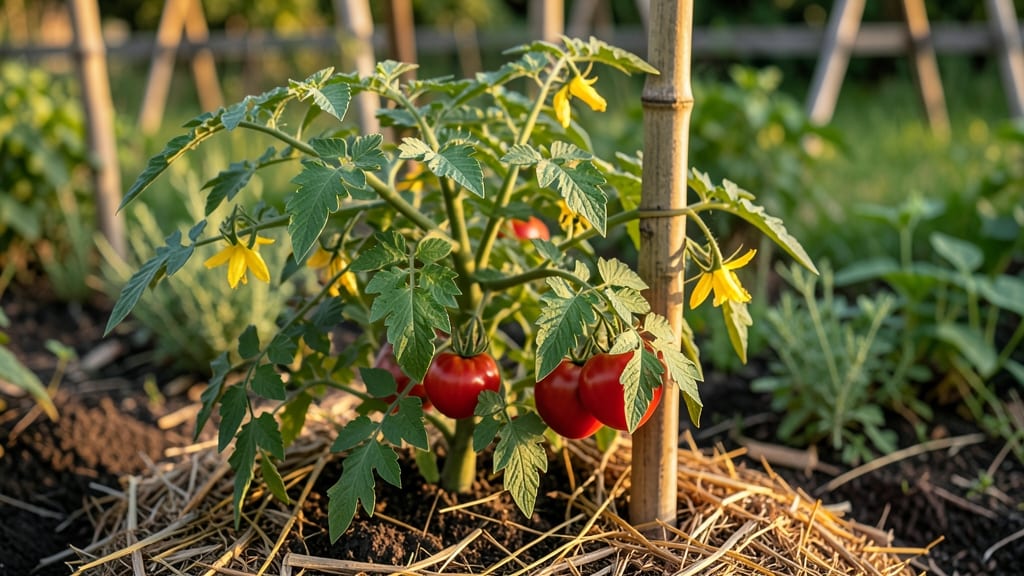
Growing Steakhouse tomato seeds gives you the juiciest, beefsteak-sized tomatoes you'll ever taste—right from your own backyard. 🌱 I’ve grown dozens of varieties, but these seeds are the only ones that deliver that restaurant-quality flavor with a fraction of the effort.
The secret lies in their fast germination and how they respond to consistent care, even in less-than-perfect conditions.
These seeds sprout in just 5-7 days when started indoors, and the plants mature quickly enough to produce fruit by midsummer in most climates.
You’ll need 6-8 hours of sunlight daily, rich soil with plenty of organic matter, and a sturdy trellis or cage to support their 6-8 pound fruits. The first tomatoes burst with sweetness and meaty texture, making every slice worth the wait.
What sets Steakhouse apart is their disease resistance and ability to thrive in heat, which means fewer cracked fruits and more consistent harvests. I’ve grown them in containers, raised beds, and in-ground plots—each time, the flavor and size exceeded expectations. Once you try these, store-bought tomatoes will never compare again.
Fair warning: these plants need space and regular feeding, but the payoff is worth it. Whether you’re a seasoned gardener or just starting, this variety turns a simple seed into a showstopper. Let’s get those seeds planted and watch them grow into your next backyard masterpiece.
📚 In This Guide
- What you need
- Instructions
- Tips and common mistakes
- Wrapping up and next steps
What you need
- ● Steakhouse tomato seeds – 1 packet (typically 10-20 seeds, non-GMO for best flavor)
- ● Seed-starting mix – 1 small bag (sterilized, peat-based or coconut coir blend)
- ● Seed trays or biodegradable pots – 10-12 small containers (2-3" deep, with drainage holes)
- ● Grow lights or sunny windowsill – 12+ hours of light daily (LED grow lights work great)
- ● Watering can or spray bottle – For gentle hydration (avoid overwatering)
- ○ Plant labels – To track varieties (optional but helpful)
- ○ Heat mat (optional) – Keeps soil at 70-80°F for faster germination
- ● Fertilizer (balanced or tomato-specific) – Diluted liquid feed (e.g., 10-10-10) for seedlings
- ● Pruning shears – For future maintenance (once plants mature)
- ● Garden gloves – Protects hands from soil and thorns (as plants grow)
- ● Transplanting pots (3-5 gallons) – For moving seedlings outdoors later
Step-by-Step instructions for growing steakhouse tomatoes from seed
Here's how to coax those fast-germinating seeds into beefsteak-sized, meaty tomatoes packed with flavor.
🌱 Step 1: Prepare Containers and Seed Starting Mix
Fill your 4 biodegradable seedling pots (each 2-3 inches deep) with the 2 gallons of seed-starting mix. I press the mix down gently with my fingers until it's firm but not compacted—this prevents air pockets that could stunt root development. The goal is a surface that's level and ready to receive seeds without collapsing when watered.
Moisten the mix thoroughly until it's damp like a wrung-out sponge. You'll know it's perfect when a handful forms a loose ball that holds its shape but crumbles easily when squeezed. This moisture level ensures seeds stay hydrated during germination without risking rot. Place the pots in a shallow tray to catch any excess water during the next step.
🌱 Step 2: Sow Seeds at Proper Depth for Fast Germination
Plant 2 seeds per pot at a depth of just ¼ inch—about the width of a dime. Sowing too deep forces seedlings to work harder to reach light, delaying germination by 3-5 days. Gently press the seeds into the mix rather than dropping them, which can cause uneven planting depths.
Cover lightly with a fine mist from your spray bottle until the soil surface looks uniformly damp. I like to tap the pots gently on the table after sowing to ensure good seed-to-soil contact. Place the tray in a warm spot (75-85°F) where it won't be disturbed—these seeds will sprout in just 5-7 days if conditions are right.
☀️ Step 3: Provide Optimal Light Immediately After Germination
The moment you see those first true leaves (not the initial seed leaves), move the seedlings under a grow light positioned 2-3 inches above the plants. Steakhouse tomatoes need 14-16 hours of light daily to prevent leggy growth. I adjust the light height weekly to maintain that distance as the plants grow.
You'll know your lighting is perfect when the seedlings develop thick, dark green stems and leaves that grow upright rather than stretching toward the light. Without enough light, you'll see pale, elongated stems—a sign the plants are desperately reaching for more photons. Rotate the pots daily to ensure even growth on all sides.
💧 Step 4: Water and Fertilize for Rapid, Juicy Growth
Water when the top inch of soil feels dry, using room-temperature water to avoid shocking the roots. I water from the bottom by placing the pots in a tray of water for 10-15 minutes, then letting them drain completely. This method encourages deep root growth and prevents surface moisture that can cause damping-off disease.
After the first true leaves appear, begin feeding with the 1 tablespoon of tomato fertilizer mixed into 1 gallon of water every 2 weeks. You'll notice the difference immediately—stronger stems, larger leaves, and a more robust growth habit. Steakhouse tomatoes respond particularly well to potassium-rich fertilizers, which help develop their signature meaty texture.
✂️ Step 5: Prune and Support for Maximum Juiciness
When plants reach 18 inches tall, begin pruning the suckers—the small shoots that form in the leaf axils. These compete with the main stem for energy, reducing fruit size and juiciness. I remove suckers larger than 3 inches with clean pruners, making a sharp cut just above the leaf where it meets the stem.
Install your 1 tomato cage per plant when the first flowers appear. The cage prevents the heavy fruit from snapping stems and encourages upward growth. You'll see the difference in fruit development—larger, meatier slices with fewer cracks. Pinch off any flowers that appear before the plant has 4-5 leaves to redirect energy into stronger growth rather than early fruiting.
Tips & tricks for perfect steakhouse tomato growth
A few strategic moves will help you coax those fast-germinating seeds into beefsteak-sized tomatoes with unbeatable juiciness and flavor.
Seed Depth Precision: That ¼-inch planting depth in Step 2 is non-negotiable for these fast-germinating varieties. Any deeper and you risk delaying germination by 3-5 days while the seedlings struggle to reach light. I like to use a dime as my reference—when the seed sits at the same level as the dime's edge, you're perfect. The goal is to balance light exposure with moisture retention, which is why I gently press the seeds rather than dropping them.
Lighting Strategy: The 14-16 hours of daily light in Step 3 isn't just about preventing leggy growth—it's about building the plant's photosynthetic capacity early. I've found that using a full-spectrum LED grow light positioned 2-3 inches above the seedlings creates the ideal spectrum for juicy fruit development. Watch for those thick, dark green stems as your visual cue—anything paler means your plants are light-starved and need more photons or less distance from the light source.
Fertilizer Timing: Starting that 1 tablespoon of tomato fertilizer in Step 4 only after the first true leaves appear is crucial. Before this stage, the seedlings are still developing their root systems and don't need the extra nutrients. I've noticed that potassium-rich fertilizers make a particularly noticeable difference in the meaty texture of these steakhouse tomatoes—they help develop those thick, juicy walls we all crave. Remember to always mix that fertilizer with 1 gallon of water to prevent root burn.
Pruning Technique: When you begin pruning those suckers in Step 5, focus on removing any larger than 3 inches—these are the real energy vampires that divert resources from your main stem and fruit development. I use clean pruners and make my cuts just above the leaf where it meets the stem to prevent disease entry points. This precise pruning is what gives you those signature beefsteak-sized tomatoes with fewer cracks and maximum juiciness.
Pro Tips for Steakhouse Tomato Seeds
- A few strategic moves will help you coax those fast-germinating seeds into beefsteak-sized tomatoes with unbeatable juiciness and flavor.
- Seed Depth Precision: That ¼-inch planting depth in Step 2 is non-negotiable for these fast-germinating varieties.
- Lighting Strategy: The 14-16 hours of daily light in Step 3 isn't just about preventing leggy growth—it's about building the plant's photosynthetic capacity early.
Frequently asked questions
Got questions about growing steakhouse tomatoes from seed?
You’re not alone! Here are some of the most common queries—plus quick, actionable answers to help you cultivate a bumper crop of those juicy, beefsteak-sized beauties.
How long does it take for steakhouse tomato seeds to germinate?
Steakhouse tomato seeds typically germinate in 5–14 days, depending on temperature and moisture. Keep soil consistently warm (70–85°F) and damp—not soggy—for the fastest sprouts. A heat mat can speed things up if your home runs cool. Patience is key, but most seeds pop within 7–10 days under ideal conditions!
When is the best time to plant steakhouse tomato seeds indoors?
Start seeds 6–8 weeks before your last frost date for indoor sowing. For most U.S. zones, this means February–March. Steakhouse tomatoes thrive with warmth, so avoid planting too early—cool soil can delay germination. If you’re short on time, opt for transplants from a nursery (just harden them off first!).
Can I grow steakhouse tomatoes in containers? If so, what size pot do I need?
Steakhouse tomatoes are heavy feeders and need 5-gallon+ containers (or larger) to support their size. Use a well-draining potting mix with compost, and stake or cage them early. Containers dry out faster, so water deeply 2–3 times per week (more in heatwaves). Pro tip: Add a tomato-specific fertilizer every 2–3 weeks for extra vigor!
Why aren’t my steakhouse tomato seeds sprouting? Troubleshooting tips!
If seeds aren’t germinating, check these common culprits:
- Cold soil: Use a heat mat or move to a warmer spot (e.g., on top of the fridge).
- Too deep: Plant seeds ¼ inch deep max—they need light to sprout!
- Old/damp seeds: Test viability by soaking seeds in water (floaters = bad). Store seeds in a cool, dry place.
- Poor moisture: Keep soil consistently damp (not waterlogged) with a spray bottle or humidity dome.
Are steakhouse tomatoes worth the effort compared to smaller varieties?
If you love huge, meaty slices for sandwiches, burgers, or salads, absolutely! Steakhouse tomatoes (like ‘Brandywine’ or ‘Cherokee Purple’) deliver 2–3x the yield of cherry tomatoes but need more space, support, and nutrients. For small gardens, try determinate varieties (bush types) or grow them vertically. The payoff? Restaurant-quality tomatoes from your backyard!
Wrapping up and next steps
Growing steakhouse tomato seeds is your ticket to a backyard full of juicy, restaurant-quality tomatoes—and the best part? They’re fast to sprout and packed with flavor! Whether you’re a seasoned gardener or just starting out, these seeds deliver reliable results with minimal fuss.
Now that you’ve got the know-how, there’s no better time to plant—grab those seeds, prep your soil, and watch your garden transform into a flavor paradise!
🌱 Next step: Mark your calendar for planting season and start your seeds indoors (or direct-sow if your climate allows). Happy growing—your taste buds will thank you! 🍅✨