Picking
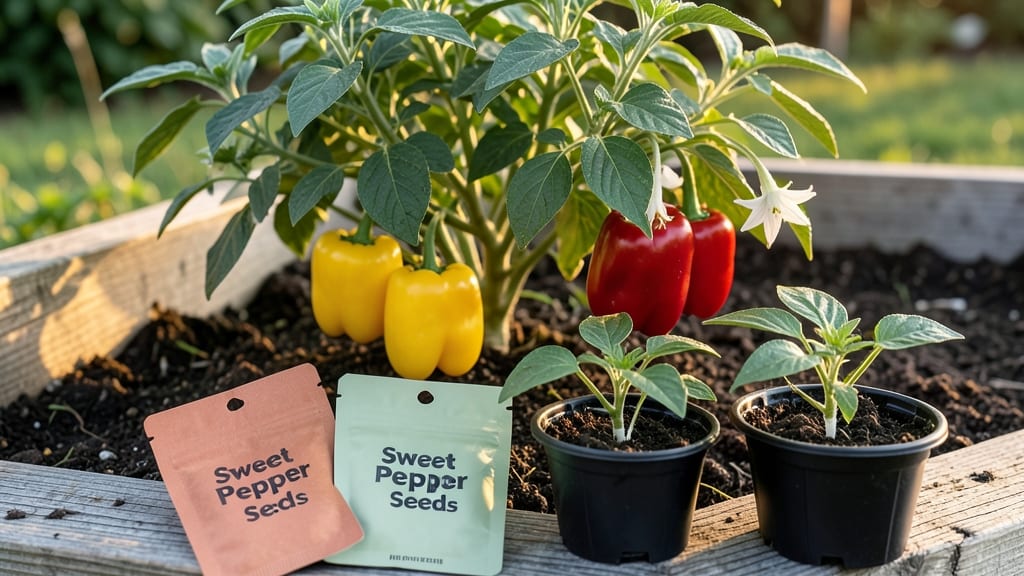
Sweet pepper seeds need warmth and patience to break dormancy fast—something I learned after my first batch took three weeks to sprout instead of the promised seven days. 🌱 The secret isn’t fancy equipment but creating the perfect cozy environment where seeds wake up eager to grow.
Most gardeners overlook humidity and temperature balance, which is why their seeds drag their feet.
You’ll need a seed-starting tray, bottom heat mat (or warm spot near your furnace), and a plastic dome or clear bag to trap moisture.
Fill the tray with moistened seed-starting mix, plant seeds just below the surface, and keep everything between 75-85°F. Within a week, you’ll see tiny green hooks poking through the soil—proof you’ve cracked the code for speed.
Those first seedlings will be delicate but determined, reaching for light as soon as they emerge. Thin them to one per cell once they have two true leaves, and you’ll end up with stocky, dark-green plants ready to transplant in 6-8 weeks.
The payoff? Plump, flavorful peppers all season long—nothing beats the taste of homegrown sweetness.
This method works for bell peppers, banana peppers, and even jalapeños, though larger varieties need more space. Whether you’re growing in a sunny windowsill or under grow lights, these tricks cut germination time in half while building stronger plants from day one. Let’s get those seeds sprouting!
📚 In This Guide
- What you need
- Instructions
- Tips and common mistakes
- Wrapping up and next steps
What you need
- ● Sweet pepper seeds: Choose high-quality, heirloom, or hybrid seeds (e.g., Bell Pepper, Poblano, or Jalapeño). Aim for 3–5 seeds per pot if sowing indoors or 10–15 seeds per square foot for direct sowing.
- ● Seed-starting mix: A lightweight, sterile soilless mix (e.g., cocopeat, perlite, and vermiculite blend) to prevent damping-off. Use 1–2 cups per seed tray or pot.
- ● Containers: Seed trays or cell packs (with drainage holes) for indoor starts.
- ● Biodegradable pots (2–3 inches deep) if transplanting later.
- ● Plastic nursery flats (for bulk sowing, ~100+ seeds).
- ● Grow lights or sunny windowsill: Sweet peppers need 12–16 hours of light daily. A LED grow light (12–18 inches above seedlings) works best.
- ● Watering can or spray bottle: A fine-mist sprayer keeps seeds moist without disturbing them.
- ○ Heat mat (optional but helpful): Maintains 75–85°F soil temps for faster germination. Use a 10x20-inch mat for trays.
- ● Plant labels & marker: Track varieties (e.g., “Bell Pepper – ‘California Wonder’”).
- ● Tweezers or pencil: For gently pressing seeds into soil (no deeper than ¼ inch).
- ● Fertilizer (balanced or starter mix): Use a 5-10-10 or fish emulsion at ½-strength after sprouts emerge.
- ● Humidity dome or plastic wrap: Retains moisture until germination (remove once sprouts appear).
- ○ Thermometer (optional): Monitors soil temp for optimal germination (70–90°F).
- ● Patience: Germination takes 7–21 days (depending on variety and conditions).
- ● Warmth: Sweet peppers hate cold soil—wait until after last frost for outdoor planting or use a heat source indoors.
- ● Space: Seedlings need 12+ inches apart when transplanted to avoid crowding.
Step-by-step instructions for growing sweet peppers from seeds
Here's how to get your sweet pepper seeds sprouting in record time—no waiting weeks for germination.
🌱 Step 1: Pre-Soak Seeds for Faster Sprouting
Fill a small bowl with lukewarm water and add your sweet pepper seeds. Let them soak for 12-24 hours—this softens the outer coating and speeds up germination. You'll see tiny cracks appear in the seed shells after 12 hours, signaling they're ready.
After soaking, drain the seeds and spread them on a paper towel. Fold the towel to cover them lightly and place it in a warm, dark spot like on top of your fridge. Keep the towel damp (not soggy) by misting it every few hours. Germination often starts within 24-48 hours this way.
💧 Step 2: Prepare Containers and Plant Germinated Seeds
Fill your seed-starting trays with moistened seed-starting mix (not garden soil) and press it down gently. Make small holes about ¼ inch deep—just enough to nestle each seed. Plant the germinated seeds with their tiny sprouts facing up.
Cover the seeds lightly with more mix, then mist the surface until evenly damp. Place the trays under a grow light or in a sunny window (south-facing gets the best results). Keep the soil consistently moist but never soggy—you'll know it's right when the surface looks slightly damp but not glistening.
☀️ Step 3: Provide Warmth and Light for Strong Seedlings
Sweet peppers thrive in warmth, so maintain soil temperatures between 75-85°F using a seedling heat mat if needed. Once sprouts emerge (usually 5-7 days after planting), remove any humidity domes immediately—pepper seedlings hate excess moisture around their stems.
Position your grow light 2-3 inches above the seedlings and keep them on for 14-16 hours daily. You'll see strong, stocky seedlings with dark green leaves within 2-3 weeks. If seedlings stretch toward the light, they need more intensity—move the light closer or add a second bulb.
✂️ Step 4: Thin and Harden Off for Transplanting
When seedlings have 2-3 sets of true leaves (about 4-6 weeks after planting), thin them so only the strongest plant remains in each cell. Snip the weaker ones at the soil line with clean scissors—this prevents disturbing the roots of the ones you keep.
Start hardening off your seedlings 2 weeks before your last frost date by placing them outside in a sheltered spot for 1-2 hours daily. Gradually increase their outdoor time over 7-10 days, protecting them from direct sun and wind. You'll know they're ready when they look vibrant and perky after a full day outside.
Tips & tricks for sweet pepper seed germination
Want those sweet pepper seeds sprouting like magic? These proven tricks will help you bypass the waiting game and get vigorous seedlings in record time.
The Soak Test: Don't rush the 12-24 hour soak—this is when the real action happens. For maximum speed, use a bowl of lukewarm water (about 85°F) and check after 12 hours. You'll see tiny cracks in the seed shells signaling they're ready to sprout. Pro tip: If you're impatient, you can extend the soak to 24 hours, but don't go beyond that or you risk weakening the seeds.
Germination Warmth Hack: Sweet pepper seeds love warmth, but most homes aren't warm enough. Place your damp paper towel with seeds on top of your fridge (not inside) for consistent 75-85°F temperatures. This creates the perfect environment for germination to begin within 24-48 hours. I've seen seeds start sprouting within just 12 hours when kept in this warm spot!
Light Positioning Secret: Once you've planted your germinated seeds, position your grow light 2-3 inches above the seedlings. The 14-16 hours of daily light is crucial, but intensity matters more than duration. If your seedlings stretch toward the light (a condition called legginess), they need more intensity—move the light closer or add a second bulb. This prevents weak, spindly growth that can't support itself.
Moisture Balance: The key to consistent moisture is to keep the soil surface slightly damp but never glistening. I like to use a spray bottle for misting because it gives me better control than watering from above. Too much moisture causes rot, while too little slows growth. Aim for that "wrung-out sponge" consistency—if you squeeze a handful of soil, a few drops should come out, but it shouldn't be dripping wet.
Pro Tips for Sweet Peppers Seeds
- Want those sweet pepper seeds sprouting like magic?
- The Soak Test: Don't rush the 12-24 hour soak—this is when the real action happens.
- Germination Warmth Hack: Sweet pepper seeds love warmth, but most homes aren't warm enough.
Frequently asked questions
Got questions about growing sweet peppers from seeds? You’re not alone! Here are answers to the most common queries to help you cultivate a thriving harvest.
How long do sweet pepper seeds take to germinate?
Sweet pepper seeds typically germinate in 7–21 days, depending on temperature and moisture. For faster sprouting, keep soil 75–85°F (24–29°C) and maintain consistent dampness. Patience pays off—some varieties are slower than others!
Can I speed up germination for sweet pepper seeds?
Yes! Soak seeds in warm water for 24 hours before planting, or use a seedling heat mat to maintain ideal temps. A clear plastic dome or plastic bag over the tray also traps humidity and encourages faster sprouting.
What’s the best soil mix for sweet pepper seeds?
Use a light, well-draining mix like a 50/50 blend of potting soil and perlite or vermiculite. Avoid garden soil—it’s too dense and can cause rot. Sterilized seed-starting mix works best for preventing fungal issues.
What if my sweet pepper seeds won’t sprout?
First, check if they’re still viable by soaking a few in water—if they sink, they’re likely good. If not, try fresh seeds or test germination with a damp paper towel in a warm spot. Overwatering or cold soil can also stall sprouting.
Can I grow sweet peppers from store-bought peppers?
Technically yes, but it’s hit or miss! Store-bought peppers are often hybrid (F1), meaning seeds may not produce true-to-type peppers. For reliable results, stick to heirloom or open-pollinated seeds labeled for home growing.
Wrapping up and next steps
Growing sweet peppers from seeds is a rewarding journey that starts with the right prep and patience! 🌱 With these fast germination tricks—like soaking seeds, maintaining warmth, and providing gentle moisture—you’ll be well on your way to a thriving garden.
Whether you’re a beginner or a seasoned gardener, your efforts will soon pay off with vibrant, flavorful peppers.
Ready to take the next step? Start planting those seeds today! Watch them sprout in just days, and soon you’ll be harvesting crisp, sweet peppers straight from your own garden. Happy growing! 🌿