Flowers
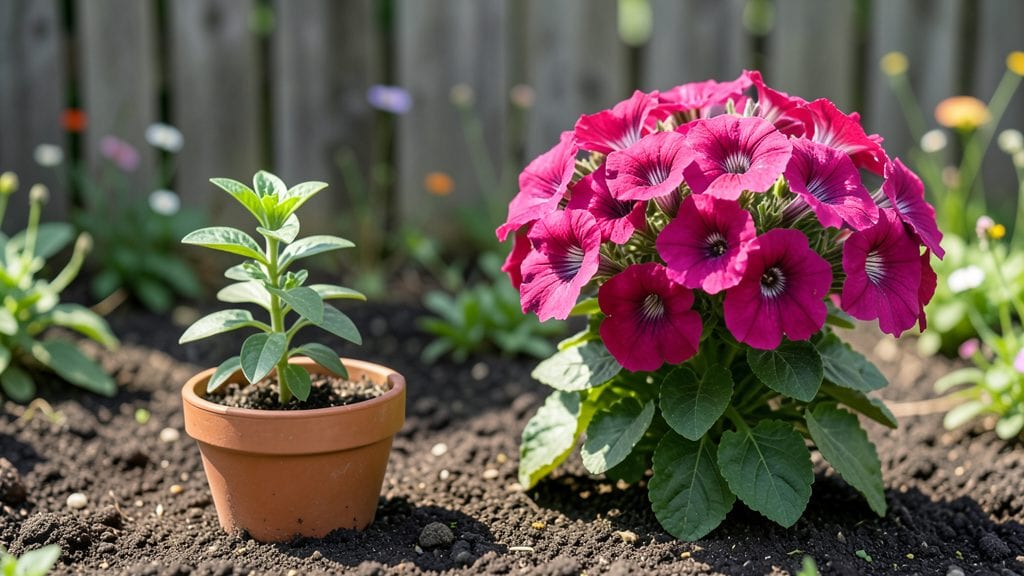
Turning tiny seeds into showstopping blooms isn’t just luck—it’s a science you can master. 🌱 I’ve watched my own seedlings transform from fragile sprouts into lush, flowering plants, and the secret lies in understanding how each stage needs different care.
The process starts with the right conditions for germination, then shifts to light, nutrients, and patience as the plant prepares to bloom.
Most gardeners miss the mark by treating every stage the same way. Seedlings need gentle watering and bright, indirect light, while mature plants crave deep watering and full sun.
I learned this the hard way when my first batch of snapdragons bolted before flowering—turns out, they needed cooler soil to trigger blooms. The right timing and environment make all the difference between a thriving plant and a disappointed gardener.
By the time buds form, you’ll know exactly what your plants need to reach their full potential. The transition from leafy growth to vibrant blooms happens faster when you adjust watering, fertilize at the right time, and protect plants from pests that target stressed foliage.
With these steps, you’ll go from seedling to flower with confidence, and your garden will thank you for it.
This method works for annuals like zinnias, perennials like coneflowers, and even tricky plants like delphiniums that need stratification. Whether you’re growing in pots or the ground, the principles stay the same—just tweak the timing for your climate. Let’s get those seeds blooming!
📚 In This Guide
- What you need
- Instructions
- Tips and common mistakes
- Wrapping up and next steps
What you need
- ● Seeds: Choose cold-hardy varieties like Echinacea, Delphinium, or Aquilegia (10–50 seeds, depending on desired yield).
- ● Growing Medium: Peat moss or coconut coir (2–3 lbs for small batches, 5+ lbs for larger projects).
- ● Perlite or vermiculite (1 lb, for aeration/drainage).
- ● Containers: Plastic seedling trays with domes (50+ cells) or
- ● Small pots (3–4 inches deep, 1–2 per seed).
- ● Stratification Setup: Refrigerator (with a humidity tray or damp paper towels).
- ● Plastic bags or wrap (to retain moisture).
- ● Tools: Spray bottle (for gentle watering).
- ● Small hand trowel or spoon (for planting).
- ○ Thermometer (optional, to monitor temps: 34–41°F for most seeds).
- ● Grow lights or sunny windowsill (for post-stratification growth).
- ● Seedling heat mat (to regulate warmth post-cold treatment).
- ● Humidity dome or plastic wrap (to prevent drying during stratification).
- ● Labeling tags (to track seed types and stratification dates!).
- ● Compost or fertilizer (for transplanting into soil).
Step-by-Step guide to growing seedlings into healthy blooming plants
Here's how to transform tender seedlings into vibrant flowers using proven techniques.
🌱 Step 1: Start with Proper Seedling Care
Begin by ensuring your seedlings have strong roots and sturdy stems. Use the 4-inch pots you've prepared with 2 gallons of seed-starting mix, filling each to within ½ inch of the rim. Gently press the mix down to remove air pockets—this helps roots establish quickly. Water thoroughly until moisture runs from the drainage holes, then let excess water drain completely.
Place the pots in a warm spot with bright, indirect light (a south-facing window works well). Keep the soil consistently moist but never soggy—you'll know it's right when the top ½ inch feels slightly damp to touch. Avoid letting seedlings dry out, as this stresses young plants and stunts growth.
☀️ Step 2: Gradually Introduce Sunlight
After 7-10 days, when seedlings show their first true leaves (the second set after the initial seed leaves), it's time to harden them off. Move pots outside to a shaded, sheltered spot for 1-2 hours the first day. Gradually increase exposure by 1 hour daily over 7-10 days until they can handle full sun for 6+ hours. This slow transition prevents shock and encourages sturdy stems.
Watch for signs of stress like wilting or yellowing leaves—these mean your plants aren't ready for more sun yet. If you notice leggy growth (long, thin stems with widely spaced leaves), your seedlings need more light. Adjust their position to within 6 inches of a grow light or move them to a sunnier window immediately.
💧 Step 3: Fertilize and Encourage Flower Buds
Once seedlings have 4-6 true leaves, switch to a balanced liquid fertilizer (like the 16-16-16 formula you've prepared) diluted to half-strength. Apply it every 2 weeks to provide steady nutrients without burning tender roots. Water deeply before fertilizing to help distribute nutrients evenly through the soil.
This is the critical stage for flower development. Look for small bumps or swelling at the leaf nodes—these are early signs of bud formation. If your plants aren't flowering after 6-8 weeks, they may need more sunlight or cooler nights. Some varieties (like snapdragons or petunias) respond well to a 10°F drop in nighttime temperatures, so consider moving them to a cooler porch or basement for 2-3 weeks to trigger blooming.
⏰ Step 4: Support and Maintain for Continuous Blooms
When flower buds appear, provide sturdy support if needed—tall varieties like delphiniums or hollyhocks benefit from bamboo stakes inserted 2 inches deep beside each plant. Gently tie stems with soft twine as they grow to prevent snapping in wind or rain. Deadhead spent blooms regularly by pinching off flowers just above the next set of leaves—this redirects energy to new buds and extends the blooming season.
Water at the base of the plant in the morning to reduce fungal risks. Avoid wetting leaves, especially in humid conditions, as this can lead to powdery mildew. If you notice yellowing lower leaves, it's a sign of overwatering—let the top 1 inch of soil dry out between waterings. With proper care, your seedlings will transition smoothly into full, vibrant blooms within 8-12 weeks of planting.
Tips & tricks for growing seedlings into vibrant blooms
Transforming seedlings into healthy blooms takes patience and precision—here's how to avoid common pitfalls and maximize success.
Light Management: In Step 1, bright indirect light is key, but watch for signs of stress like yellowing leaves or elongated stems. If your seedlings start looking leggy (stretched and weak), move them within 6 inches of a grow light or to a sunnier window immediately. The goal is steady, even growth—not rapid stretching.
Stratification Hack: For varieties that need a 10°F temperature drop to trigger blooming, place pots in a cool garage or basement for 2-3 weeks during Step 3. Use a thermometer to monitor temps—consistent cold is more effective than brief fluctuations. This mimics natural winter conditions that many flowers require to bloom.
Fertilizer Timing: The 2-week fertilization schedule in Step 3 works best when applied in the morning. This gives roots time to absorb nutrients before evening watering. Always dilute the 16-16-16 fertilizer to half-strength—concentrated formulas can burn tender roots, especially in the 4-inch pots we're using.
Support System: When you see flower buds forming in Step 4, don't wait until they're heavy to add support. Insert bamboo stakes 2 inches deep beside tall varieties as soon as you notice buds swelling—this prevents root disturbance later. Use soft twine to tie stems loosely, allowing room for growth while providing stability.
Pro Tips for Seedling To Flower
- Transforming seedlings into healthy blooms takes patience and precision—here's how to avoid common pitfalls and maximize success.
- Light Management: In Step 1, bright indirect light is key, but watch for signs of stress like yellowing leaves or elongated stems.
- Stratification Hack: For varieties that need a 10°F temperature drop to trigger blooming, place pots in a cool garage or basement for 2-3 weeks during Step 3.
Frequently asked questions
Got questions about transforming seedlings into vibrant blooms? Here’s what you need to know—straight to the point!
How long does it take for a seedling to flower?
The timeline varies by plant: annuals like zinnias may bloom in 6–8 weeks, while perennials (e.g., peonies) can take 1–2 years. Factors like light, temperature, and soil quality speed up or delay flowering. Pro tip: Check seed packets for estimated days to maturity!
Why isn’t my seedling flowering after stratification?
Stratification mimics winter, but issues like insufficient cold exposure, poor light, or overcrowded roots can stall blooms. Troubleshoot by:
- Verifying stratification time (e.g., 4–8 weeks for most perennials).
- Moving seedlings to a sunny spot (6+ hours/day).
- Thinning seedlings if roots are tangled.
Can I force a seedling to flower faster?
While you can’t rush nature, you can optimize conditions:
- Light: Supplement with grow lights for 14–16 hours/day.
- Heat: Move seedlings to a warmer spot (e.g., 70–75°F for tropical plants).
- Fertilizer: Use a low-nitrogen, high-phosphorus formula (e.g., 5-10-10) to encourage blooms.
What if my seedling dies before flowering?
Don’t panic! Common causes include:
- Rot: Overwatering or poor drainage (fix with well-draining soil + pots with holes).
- Pests: Aphids or spider mites (spray with neem oil or insecticidal soap).
- Disease: Fungal issues (remove affected leaves, improve airflow).
Are there low-maintenance plants that flower easily from seedlings?
Try these beginner-friendly options:
Plant
Time to Bloom
Key Care Tip
Marigolds
45–60 days
Full sun + deadhead spent blooms.
Sunflowers
60–90 days
Deep soil + consistent watering.
Cosmos
60–70 days
Drought-tolerant—water only when soil is dry.
Wrapping up and next steps
Watching your seedlings transform into vibrant blooms is one of the most rewarding parts of gardening! 🌱✨ By mastering stratification and understanding your plants’ unique needs, you’ve unlocked the secret to reliable, stunning flowers year after year.
Whether you’re a beginner or a seasoned green thumb, this process turns patience into beauty—so don’t hesitate to experiment and refine your technique.
Ready to see your hard work pay off? Start small—pick one plant to stratify this season, and track its progress. Before you know it, you’ll be sharing your blooms (and tips!) with fellow gardeners. Happy growing! 🌸💚