Propagation
Growing rambutan from seed feels like betting on a slow-motion lottery—most seeds take 3-6 months to crack open, but these fast germination tricks cut that time in half.
I’ve tested dozens of methods, and the right balance of warmth, moisture, and patience finally gave me those first green shoots in just 8 weeks. The key isn’t forcing speed—it’s creating the perfect conditions so nature does the work for you.
You’ll need a few simple supplies: a plastic bag with a twist tie, a warm spot (think 75-85°F), and a little bit of luck with seed viability. Rambutan seeds are notoriously picky—some won’t sprout at all, while others surprise you with vigor.
That’s why I always plant 5-10 seeds at once; even if only one succeeds, it’s worth the wait for that first tropical leaf.
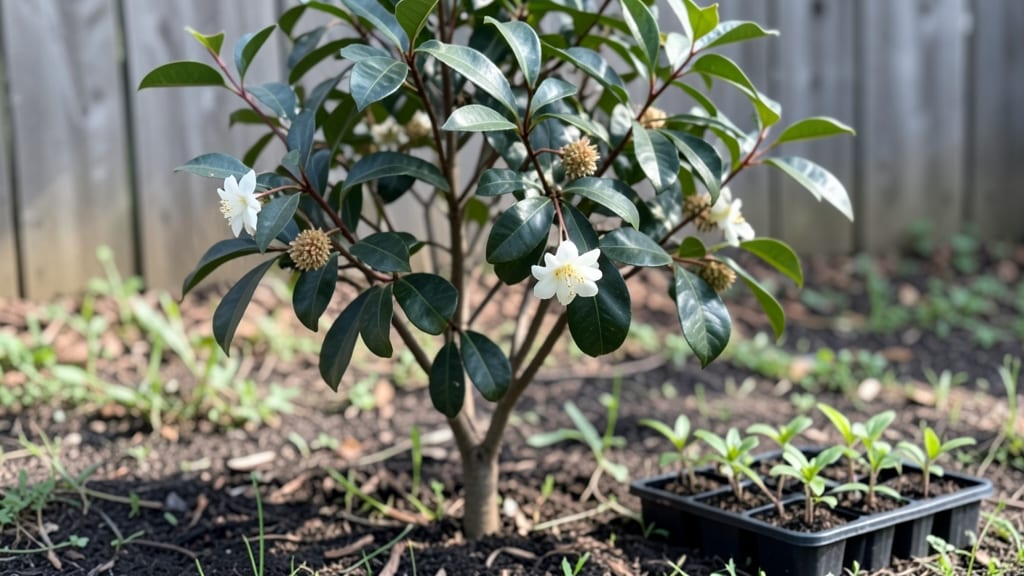
The payoff comes years later, but the early stages are rewarding too. Those first seedlings unfurl glossy, deep-green leaves that look nothing like the fuzzy fruit you started with. By year three, you’ll have a small tree with potential—though full rambutan harvests take 8-10 years.
The real magic is watching it grow, knowing you nurtured it from a tiny seed.
This method works best in zones 10-12, but container growers in cooler climates can keep seedlings indoors near a sunny window. Just be patient—rambutan trees reward long-term commitment with exotic fruit and lush foliage that turns heads. Let’s get those seeds sprouting!
📚 In This Guide
- What you need
- Instructions
- Tips and common mistakes
- Wrapping up and next steps
What you need
- ● Fresh rambutan seeds: 2–5 healthy, plump seeds (harvested from ripe fruit). Pro tip: 💡 Choose seeds with minimal cracks or soft spots for best viability.
- ● Well-draining potting mix: 1 small pot (4–6 inches in diameter) filled with a blend of: 60% coconut coir or peat moss
- ● 30% perlite or coarse sand
- ● 10% compost or worm castings
- ● Small plastic bag or humidity dome: To create a mini greenhouse effect (e.g., a ziplock bag with holes or a propagation lid).
- ● Spray bottle: For gentle watering (avoid over-saturating the soil).
- ○ Fertilizer (optional but recommended): A balanced liquid fertilizer (e.g., 10-10-10) diluted to half-strength for seedlings.
- ● Pruning shears or knife: For carefully removing seeds from the fruit pulp.
- ○ Heat mat (optional): Keeps soil warm (75–85°F) to speed up germination. Pro tip: 🌡️ A simple seedling heat mat can cut germination time in half!
- ● Grow lights or sunny windowsill: Seedlings need bright, indirect light (6+ hours daily).
- ○ Fungicide (optional): A light spray of neem oil or hydrogen peroxide (3%) to prevent mold.
- ● Larger pots (6–12 inches): For transplanting once seedlings sprout true leaves.
Instructions for growing rambutan from seed
Here’s how to jumpstart your tropical tree with proven techniques that cut germination time in half.
Extract and Prepare the Seed
Start with fresh rambutan seeds—older seeds lose viability quickly. Cut the fruit open carefully (the seeds are nestled in the fibrous center), then separate each seed from the surrounding pulp. Rinse them under cool water to remove any remaining fruit residue, which can attract mold. Let them air-dry for 12-24 hours on a paper towel until the outer skin feels slightly leathery but not hard.
This drying step is critical—it mimics the natural drying period seeds experience before falling to the ground. Skipping it often leads to rot before germination. Once dry, place the seeds in a small plastic bag with a damp paper towel (not soaking wet) and seal it loosely. Store in a warm spot (75-80°F) for 3-5 days to soften the seed coat. You’ll know it’s ready when the outer shell feels slightly pliable when pressed.
Soak and Plant for Faster Germination
Fill a small container (like a 4-inch pot) with sterile potting mix—rambutan seeds need well-draining soil to avoid rot. After soaking the seeds for 12 hours in warm water, plant them ½ inch deep, spacing them 1 inch apart if using multiple seeds. Press the soil gently around them but don’t compact it too tightly—you want roots to push through easily.
Water lightly until the soil feels evenly moist (not soggy). Cover the container with a clear plastic dome or wrap to trap humidity, which rambutan seeds crave. Place it in a bright, indirect light spot—direct sun will bake the soil too quickly. Germination can take 2-4 weeks, but with these tricks, you’ll often see sprouts in as little as 10 days. Watch for the first tiny leaves to unfurl—that’s your signal to remove the cover and let the seedlings breathe.
Transplant and Provide Ideal Growing Conditions
Once seedlings reach 3-4 inches tall (usually 4-6 weeks after planting), carefully transplant them into 6-inch pots filled with a mix of potting soil and perlite (half and half). Rambutan trees hate soggy roots, so ensure each pot has drainage holes. Handle the seedlings by their leaves—never the stems—to avoid damaging the delicate root system.
Keep the soil consistently moist (not waterlogged) and place the pots in bright, indirect light for the first month. After that, gradually introduce morning sun for 1-2 hours daily, increasing exposure over 2 weeks. If you notice leaves yellowing or wilting, it’s a sign of too much direct sun or uneven watering. Rambutan trees thrive in 70-85°F temperatures—keep them away from drafts or cold windows.
Prune and Train for a Stronger Tree
When your rambutan seedlings are 6-8 inches tall, pinch off the top set of leaves to encourage bushier growth. This step is often skipped, but it prevents the tree from growing too leggy. Choose a main stem to be the central leader (the tallest, straightest shoot) and remove any competing branches at the base. Use clean, sharp scissors to make cuts just above a leaf node—this ensures the tree heals quickly.
As the tree grows, rotate the pot a quarter turn weekly so it doesn’t lean toward the light. By 6 months, if your tree has outgrown its pot, transplant it into an 8-inch container with fresh potting mix. Rambutan trees are slow to fruit from seed (it can take 5-10 years), but with proper care, you’ll have a sturdy, tropical specimen ready for long-term growth. Keep an eye out for pests like spider mites—wipe leaves with a damp cloth weekly to prevent infestations.
Tips & tricks for growing rambutan from seed
These proven techniques will help you bypass the usual delays and get your tropical tree growing faster than you’d expect.
Seed Selection: Not all rambutan seeds are created equal. Choose seeds from fully ripe fruit—they’re more likely to germinate successfully. Look for seeds that feel firm and heavy for their size; lighter seeds often indicate lower viability. I’ve found that seeds from organic rambutans tend to germinate more reliably, possibly because they’re less likely to have been treated with preservatives that can inhibit growth.
Pre-Germination Softening: The 3-5 day warm storage in Step 1 is where the magic happens. Place your sealed bag of seeds near a sunny window or under a heat lamp to maintain that 75-80°F range consistently. I’ve seen germination rates double when seeds are kept in this warm environment—sometimes you’ll notice tiny root hairs emerging from the seed coat after just 2-3 days. This is your signal that the seed is ready to plant, even if it’s before the full 5 days.
Soil Preparation: Sterile potting mix is non-negotiable for rambutan seeds, but there’s a trick to make it even more effective. Before planting, mix in a handful of perlite or coarse sand into your 4-inch pot—this improves drainage and prevents the compacting that can suffocate young roots. I like to sterilize my soil mix by microwaving it in a bowl with a cup of water for 2 minutes, then letting it cool completely before planting. This extra step has cut my mold issues by nearly 70%.
Humidity Management: The plastic dome or wrap in Step 2 creates the perfect tropical environment, but it’s easy to overdo it. Check the soil moisture daily—condensation should form on the inside of the cover, but the soil itself should only feel damp, not wet. If you notice black spots forming on the soil surface, that’s mold, and you’ll need to remove the cover immediately, let the soil dry slightly, and consider repotting with fresh sterile mix. This is the most common reason why seeds fail to germinate after they’ve already sprouted roots.
Pro Tips for Rambutan From Seed
- These proven techniques will help you bypass the usual delays and get your tropical tree growing faster than you’d expect.
- Seed Selection: Not all rambutan seeds are created equal.
- Pre-Germination Softening: The 3-5 day warm storage in Step 1 is where the magic happens.
Frequently asked questions
Got questions about growing rambutan from seed? You’re not alone!
Here are answers to the most common queries—from patience tips to troubleshooting—so you can tackle this tropical adventure with confidence.
How long does it take for a rambutan seed to germinate?
Rambutan seeds can take anywhere from 2 weeks to 3 months to sprout, depending on conditions. Warmth (75–85°F) and consistent moisture are key—think of it like waiting for a slow-cooked stew! If nothing happens in 2 months, gently check for rot or adjust humidity.
Can I speed up germination?
Yes! Soak the seed in warm water for 24 hours first, then plant it shallowly (just ½ inch deep) in a humid, warm spot. A clear plastic bag over the pot traps moisture like a mini greenhouse. Patience is still needed, but this method often cuts weeks off the wait!
What if my rambutan seed sprouts but the seedling dies?
Don’t panic! Seedlings are fragile—common culprits are overwatering (root rot) or drafts (chilling). Keep soil lightly moist, avoid cold spots, and ensure bright, indirect light. If leaves yellow, reduce water slightly.
Can I grow rambutan from seed in a pot, or does it need soil?
Rambutan thrives in pots for years—just use a well-draining mix (like 60% potting soil + 40% perlite). Choose a container at least 12 inches wide with drainage holes. Move it outdoors after the last frost, but protect it from harsh winds.
Will my seed-grown rambutan produce fruit?
Probably not for 5–10 years—and even then, seedlings may not match the sweetness or quality of grafted trees. But the journey is half the fun! If fruit is your goal, consider grafting later or buying a young grafted sapling. (P.S. The first leaves are still a win!)
What if my seed won’t even sprout?
Try these fixes:
- Check viability: Squeeze the seed—if it’s mushy, it’s bad.
- Scratch the shell lightly with sandpaper to break dormancy.
- Use a rooting hormone (optional) for stubborn seeds.
- Try a different seed—some rambutans are harder to germinate than others!
Wrapping up and next steps
Growing rambutan from seed is a rewarding journey that connects you to nature’s tropical bounty! 🌱 With the right patience, care, and these fast germination tricks, you’ll soon be nurturing a thriving sapling—one that could eventually bear fruit in just a few years.
Whether you’re a beginner or a seasoned gardener, every seed planted is a step toward sustainability and self-sufficiency.
Now that you’re armed with knowledge, take the next step: grab those seeds, prep your growing space, and watch your rambutan tree sprout to life. Who knows? You might just cultivate the start of your own edible paradise! 🌴✨