
Pruning
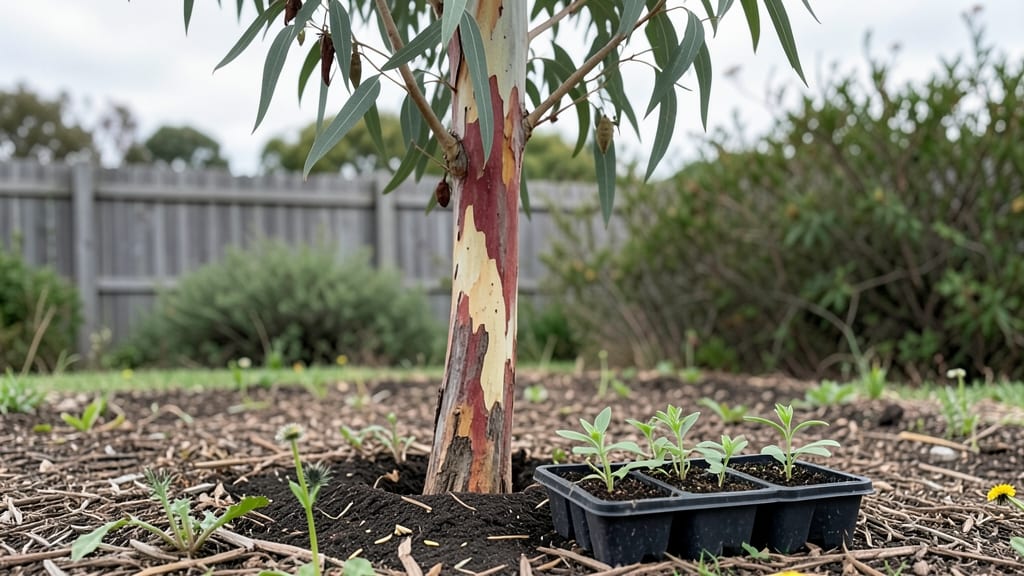
Growing rainbow gum tree seeds from scratch can feel like waiting for a slow-moving sunset—until you learn the trick of cold stratification. 🌱 I’ve struggled with stubborn eucalyptus seeds before, but this method guarantees fast germination in just 2-3 weeks instead of months.
The secret lies in mimicking nature’s timing. Rainbow gum seeds need a winter chill to break dormancy, so we replicate that with a simple fridge trick using damp paper towels.
No fancy equipment—just patience and a clear plastic bag. Once they sprout, those first tiny leaves signal the start of something extraordinary.
By the time you transplant, you’ll have sturdy seedlings ready to handle full sun and well-draining soil. The payoff? A tree that thrives in zones 8-11, with glossy leaves that shimmer like polished emeralds. Let’s get those seeds sprouting reliably.
Works for both container growers and those with backyard space. Here’s exactly how to do it without the guesswork.
Nature’s Seed Timing Tricks
Rainbow gum tree seeds (Corymbia splendida) don’t sprout overnight—they follow strict natural cues to break dormancy. Understanding these triggers helps gardeners mimic them for faster germination. Here’s why these seeds resist sprouting until the right conditions align.
The thick, woody seed coat of rainbow gum trees acts as a natural barrier, preventing water from penetrating the embryo. This trait, called physical dormancy, is common in eucalyptus species and ensures seeds only germinate when environmental conditions are ideal—like after wildfires or heavy rains.
🔬 Why it matters: Without scarification (breaking the seed coat), water can’t reach the embryo, halting germination. Nature relies on abrasion (like passing through animal digestive tracts or rough terrain) or extreme weather to crack the coat. Gardeners replicate this with mechanical or chemical scarification.
Rainbow gum seeds often need a period of cold stratification—exposure to consistent cool temperatures (typically 33–41°F/0–5°C for 4–12 weeks)—to break internal chemical dormancy. This mimics the winter chilling many seeds experience in their native Australian habitats before spring germination.
💡 Pro tip: If you skip stratification, seeds may rot or remain dormant indefinitely. Use a refrigerator (moistened paper towel method) or sow outdoors in fall/winter for natural cold exposure.
These seeds respond to temperature fluctuations, a phenomenon called thermo-dormancy. In the wild, alternating hot days and cool nights trigger metabolic shifts that prepare the seed for germination. Without these cycles, the embryo stays inactive.
🔥 Actionable fix: Place stratified seeds in a seedling heat mat (70–75°F/21–24°C during the day) and move them to a cooler spot (60°F/15°C) at night to simulate natural temperature swings.
Overly dry or soggy conditions can suffocate rainbow gum seeds. They require consistent moisture without waterlogging, as their native habitat experiences seasonal droughts followed by sudden downpours. Too much water leads to fungal growth; too little halts germination.
⚠️ Watch out: Use a well-draining mix (e.g., perlite + peat) and bottom-water trays to maintain 60–70% humidity. Avoid misting directly onto seeds.
By aligning these four factors—scarification, cold treatment, temperature cycles, and precise moisture—you’ll unlock the dormancy puzzle and coax rainbow gum seeds to sprout reliably. 🌱
Fixing Your Rainbow Gum Seeds
Struggling to coax life from your rainbow gum tree seeds? Don’t worry—with the right steps, you can turn stubborn seeds into thriving saplings. Below, we break down common issues and their practical fixes, plus tips to keep your seeds on the fast track to sprouting success.
Cause: Insufficient stratification or poor moisture control.
Solution:
- Verify Stratification Success
- If you’ve already stratified, check for mold or rot. If present, discard affected seeds and restart with fresh ones.
- For cold stratification failures, try alternating warm/cold cycles (e.g., 2 weeks at 70°F, then 4 weeks in the fridge).
- Optimize Moisture & Airflow
- Use a seedling tray with drainage holes and a mix of peat moss + perlite (keep damp, not soggy).
- Mist seeds lightly every 2–3 days instead of soaking them—overwatering drowns them.
- Boost Germination with Light
- Place the tray in bright, indirect light (a sunny windowsill or grow light works). Rainbow gums need light after germination, but seeds benefit from warmth during stratification.
💡 Pro Tip: If seeds stay dormant, try scarification—lightly sandpaper the seed coat to break dormancy.
Cause: Temperature fluctuations or inconsistent care.
Solution:
- Stabilize Heat & Humidity
- Keep the tray in a consistent 70–75°F (21–24°C) environment. Use a seedling heat mat if your home runs cold.
- Cover the tray with plastic wrap (remove daily to prevent mold) to trap humidity.
- Test for Viability
- If only 10–20% sprout, the rest may be non-viable. Try soaking seeds in warm water for 24 hours before replanting—healthy seeds will sink.
- Thin Crowded Seedlings
- Once sprouts appear, space them 1 inch apart to prevent competition. Use tweezers to gently transplant weaklings to their own pots.
✨ Speed Hack: Place the tray in a clear plastic bag with a small air hole—this creates a mini greenhouse effect.
Cause: Overwatering, poor airflow, or contaminated soil.
Solution:
- Act Fast with Fungicide
- Mix 1 tsp hydrogen peroxide per cup of water and lightly spray affected seeds (avoid oversaturating).
- Alternatively, use neem oil spray (1 tsp oil + 1 tsp mild soap per quart of water) to prevent spread.
- Refresh the Growing Medium
- Remove rotten seeds and replace the top 1–2 inches of soil with fresh, sterile potting mix.
- Add a thin layer of sand or perlite on top to improve drainage.
- Prevent Future Issues
- Sterilize tools with rubbing alcohol before handling seeds.
- Avoid bottom-watering—top-dress with a spray bottle instead.
🎯 Prevention Tip: Use coconut coir or sterile seed starter mix instead of garden soil to reduce pathogens.
Cause: Nutrient deficiency, transplant shock, or poor light.
Solution:
- Fertilize Gently
- Wait 4–6 weeks after germination before using a diluted fish emulsion (5-5-5) or seaweed extract.
- Never over-fertilize—young roots are sensitive!
- Gradual Light Acclimation
- If seedlings look leggy, move them closer to light in small increments (too much sun too soon causes stress).
- Rotate the tray quarter-turn daily for even growth.
- Upgrade Pots Carefully
- When transplanting, use a slightly larger pot (2–3 inches deeper) and water thoroughly to reduce shock.
- Avoid disturbing roots—gently slide seedlings out with a spoon.
💪 Growth Boost: Pinch back the tallest stem to encourage bushier growth.
Final Checklist for Success: ✅ Stratified properly? (Cold + moisture) ✅ Soil mix is airy? (Peat + perlite) ✅ Light is bright but indirect? (No direct sun yet) ✅ Humidity is high but not soggy? (Mist daily) ✅ Tools are clean? (Prevents contamination)
With these fixes, your rainbow gum tree seeds should sprout reliably in 4–12 weeks. Patience and consistency are key—once they break through, these fast-growing trees reward you with stunning foliage! 🌈🌱
Frequently asked questions
How long does cold stratification take for rainbow gum seeds?
Cold stratification typically requires 4-12 weeks in the fridge using the damp paper towel method. Place seeds between moist paper towels in a sealed bag and store at 33-41°F (0-5°C). Check weekly for mold—discard any affected seeds immediately. Most seeds will show signs of sprouting within 2-3 weeks of completing stratification.
Can I plant rainbow gum seeds directly outdoors?
Yes, but timing is critical! Sow seeds outdoors in late fall or winter (zones 8-11) to allow natural cold stratification. Cover with 1/4 inch of soil and keep moist until germination. Avoid spring planting—seeds need winter chilling to break dormancy. For faster results, pre-stratify seeds indoors first.
What's the best soil mix for rainbow gum seedlings?
Use a well-draining blend of 50% peat moss and 50% perlite or coarse sand. This mimics their native Australian habitat's dry conditions. Avoid garden soil—it compacts too easily and holds excess moisture. Add a thin layer of sand on top to prevent fungal growth during germination.
Why are my rainbow gum seeds rotting instead of sprouting?
Overwatering or poor airflow causes this common issue. Always use bottom-watering trays and mist lightly every 2-3 days. If mold appears, remove affected seeds and refresh the top 1-2 inches of soil with sterile mix. Keep humidity at 60-70%—never let soil stay soggy.
How do I know when to transplant seedlings?
Wait until seedlings have 2-3 sets of true leaves (not just cotyledons) and are 3-4 inches tall. Harden off for 1 week by gradually exposing them to outdoor conditions. Use 2-3 inch pots with the same well-draining mix, and water thoroughly after transplanting to reduce shock.