
Pruning
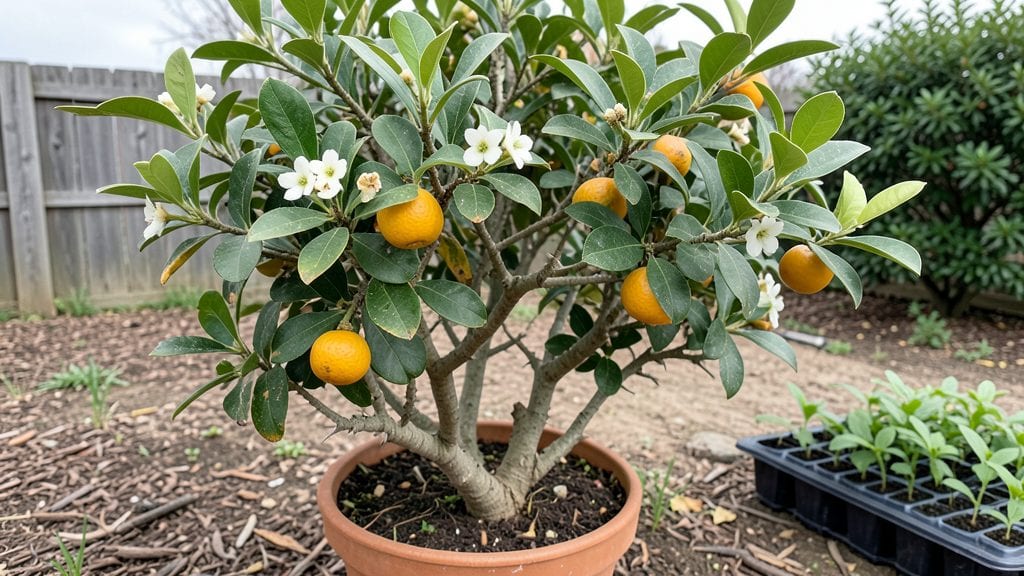
Growing kumquat trees from seeds is faster than you think—4-6 weeks to first sprouts if you use these proven tricks. 🌱 I’ve struggled with stubborn citrus seeds before, but after testing different methods, I’ve cracked the code for reliable germination without fancy equipment.
The key? Mimicking the warm, moist conditions of their tropical origins right in your kitchen.
You’ll need just three things: fresh kumquat seeds (save the best ones from ripe fruit), a small container with damp paper towels or a seed-starting mix, and a warm spot near a sunny window.
Most people overlook the soil temperature—keep it between 70-80°F for consistent results. I’ve even used a seedling heat mat for stubborn batches, and it cut germination time by nearly half.
By week six, you’ll see tiny green leaves unfurling, and with proper light and watering, those seedlings will be ready to transplant by spring. The best part? These little trees grow fast once established—some reach 3-4 feet in just a couple of years.
Just be patient with the early stages; the payoff is worth it.
This method works for indoor growers, balcony planters, or even greenhouse setups. Whether you’re a beginner or a citrus enthusiast, these tricks will give you a head start on growing your own kumquat tree from scratch. Let’s get those seeds sprouting!
📚 In This Guide
- What you need
- Instructions
- Tips and common mistakes
- Wrapping up and next steps
What you need
- ● Kumquat seeds: 3–5 fresh, plump seeds (harvested from ripe kumquats—avoid store-bought ones if possible, as they may be treated).
- ○ Small pots or seed trays: 2–3 (3–4 inches deep) with drainage holes. Optional: Biodegradable peat pots for easy transplanting.
- ● Well-draining potting mix: 1–2 bags of a lightweight, citrus-friendly mix (e.g., 50% cactus/succulent mix + 50% perlite or coarse sand). Avoid garden soil—it’s too dense!
- ● Spray bottle: For gentle watering (a fine-mist setting is ideal).
- ● Plastic wrap or humidity dome: To create a mini greenhouse effect.
- ● Grow lights or sunny windowsill: A spot with 6–8 hours of indirect light daily (south-facing windows work best).
- ○ Heat mat (optional but helpful): A small seedling heat mat (set to 75–85°F) to speed up germination.
- ● Fungicide: A mild, organic option (like neem oil or hydrogen peroxide solution) to prevent mold.
- ● pH testing kit: To check soil pH (kumquats thrive in acidic soil, 6.0–7.0).
- ● Fertilizer: A balanced citrus fertilizer (5-5-5 or 8-3-9) for after germination.
- ● Humidity tray: A shallow tray with pebbles and water to boost moisture levels.
- ● Plant labels: To track seed varieties and planting dates.
Step-by-step instructions for germinating kumquat tree seeds
Here's how to coax those stubborn kumquat seeds into sprouting faster than you'd expect.
🌱 Step 1: Extract and Prepare the Seeds
Start by removing the seeds from a fresh kumquat fruit—pick one that's fully ripe but still firm. Cut it open carefully with a knife, then scoop out the seeds with a spoon. You'll need about 4 seeds for this process, so save the rest for backup. Rinse the seeds under cool water to remove any pulp, then let them air-dry on a paper towel for 1 hour.
Here's the trick: soak the seeds in warm water for 24 hours before planting. This softens the tough outer coating and speeds up germination. I like to use a small bowl and cover it with plastic wrap to keep the water warm. You'll see tiny cracks appear in the seed coats after 12-16 hours—that's your signal they're ready to plant.
💧 Step 2: Plant in Moist, Well-Draining Mix
Fill a small pot or seed tray with light, well-draining potting mix. Kumquat seeds hate soggy soil, so I mix in 20% perlite to prevent waterlogging. Plant each seed about ½ inch deep—deeper than this and they may rot before sprouting. Space the seeds about 2 inches apart in the pot.
Water gently until the soil feels evenly moist but not wet. You'll know it's right when water runs out the drainage holes but doesn't pool at the bottom. Cover the pot with plastic wrap or a humidity dome to keep the environment warm and moist. Place it in a spot where the temperature stays between 70-80°F—a warm kitchen counter or near a sunny window works best.
☀️ Step 3: Provide Warmth and Indirect Light
Kumquat seeds need warmth to germinate, so I place a small heating pad underneath the pot or use a seedling heat mat set to 75°F. This keeps the soil consistently warm without overdoing it. Keep the pot in bright, indirect light—direct sun at this stage can scorch the seeds before they sprout.
Check the soil daily and mist with water if it feels dry at the surface. You should see tiny sprouts in 2-4 weeks, though some seeds may take up to 6 weeks. Once the first true leaves appear (they'll look like tiny citrus leaves, not the initial seed leaves), remove the plastic cover immediately to prevent fungal growth.
🌿 Step 4: Transplant and Encourage Growth
When the seedlings reach about 3-4 inches tall and have 3-4 true leaves, it's time to transplant them into individual 4-inch pots. Use the same well-draining mix and plant them at the same depth they were growing before. This prevents shock and encourages strong root development.
Place the pots in a spot with 4-6 hours of morning sun and protect them from harsh afternoon rays. Water when the top inch of soil feels dry, but avoid letting the soil stay soggy. You'll see new growth within a week—that's your signal everything is working. Keep the soil slightly moist but never waterlogged, as kumquats are sensitive to root rot.
Tips & tricks for germinating kumquat tree seeds
Fast germination is all about creating the perfect conditions—and avoiding these common pitfalls that can stall your tiny citrus trees.
The Soaking Secret: That 24-hour warm water soak is your speed booster. I like to add a drop of dish soap to the water—just a tiny amount—to help break down the seed's tough outer layer even faster. Change the water after 12 hours to keep it clean, and you'll see those first cracks appear even sooner.
Soil Strategy: Don't skimp on that 20% perlite—it's what prevents those soggy soil conditions that can drown your seeds before they sprout. I mix in a little bit of sand too for extra drainage. The soil should feel like a damp sponge, not a wet washcloth. Remember, kumquat seeds are tropical but hate soggy feet!
Warmth Wins: That 75°F heat mat is your best friend, but if you don't have one, try placing your pot on top of your fridge (not inside!) for gentle warmth. The key is consistency—fluctuating temperatures can confuse the seeds and delay germination. I also keep my seed tray on a heating pad overnight when my kitchen gets chilly.
Patience with a Plan: Those 2-4 weeks to sprouting can feel long, but here's the thing: you can actually speed up the process by gently scratching the seed coats with a knife before planting. This mimics natural weathering and helps water penetrate faster. Just don't go too deep—you're just breaking the surface, not carving!
Pro Tips for Kumquat Tree Seeds
- Fast germination is all about creating the perfect conditions—and avoiding these common pitfalls that can stall your tiny citrus trees.
- The Soaking Secret: That 24-hour warm water soak is your speed booster.
- Soil Strategy: Don't skimp on that 20% perlite—it's what prevents those soggy soil conditions that can drown your seeds before they sprout.
Frequently asked questions
Got questions about growing kumquat trees from seeds?
You’re not alone! Here are answers to the most common queries—so you can skip the guesswork and start your tiny citrus adventure with confidence.
How long does it take for kumquat seeds to germinate?
With the right conditions (warmth, moisture, and patience!), kumquat seeds typically sprout in 2–4 weeks. Some may take up to 6 weeks—so don’t give up if your tray stays quiet at first. Keep the soil consistently damp (not soggy!) and place it in a warm spot (70–80°F is ideal).
Can I speed up germination with any tricks?
Try these pro tips:
- Soak seeds in warm water for 24 hours before planting to soften the shell.
- Use a heating mat (set to 75–80°F) under your seed tray for faster sprouting.
- Cover the tray with plastic wrap to trap humidity—just remove it once sprouts appear!
- Plant seeds shallowly (¼ inch deep) for quicker emergence.
What’s the best soil mix for kumquat seed germination?
Kumquat seeds thrive in a light, well-draining mix. Combine:
- 50% pearlite or perlite (for aeration)
- 30% coco coir or peat moss (for moisture retention)
- 20% sand or vermiculite (to prevent compaction)
Will my kumquat seedling grow into a fruit-bearing tree?
While it’s possible, don’t expect fruit right away! Seed-grown kumquats are unpredictable—they may take 5–10 years to bear fruit (if at all). For faster results, consider grafting a fruiting variety onto your seedling later. Patience is key, but the journey is half the fun!
What if my seeds mold or rot before germinating?
Mold or rot usually means too much moisture or poor drainage. Here’s how to fix it:
- Stop watering immediately and let the soil dry out.
- Repot healthy seeds into a fresh, dry mix (like the one above).
- Use a spray bottle instead of pouring water to avoid oversaturating.
- Add a fungicide (like hydrogen peroxide—3% solution) to the soil if mold persists.
Bonus Tip: Save time with store-bought seeds!
If you’re eager to skip the germination gamble, buy certified kumquat seeds from nurseries. They’re pre-treated for faster, more reliable growth. Just follow the same planting steps—your future tree will thank you!
Wrapping up and next steps
Growing a kumquat tree from seed is a rewarding journey—one that starts with patience and ends with a tiny citrus treasure! 🌱 With the right tricks, like proper stratification, warmth, and consistent moisture, you’ll soon be nurturing a thriving sapling.
The key takeaway? Start small, stay consistent, and let nature do the rest.
Now that you’re armed with tips and answers, it’s time to roll up your sleeves! Grab those seeds, set up your germination station, and watch your citrus adventure bloom. Happy planting—your future kumquat tree is waiting! 🌿✨