
Propagation
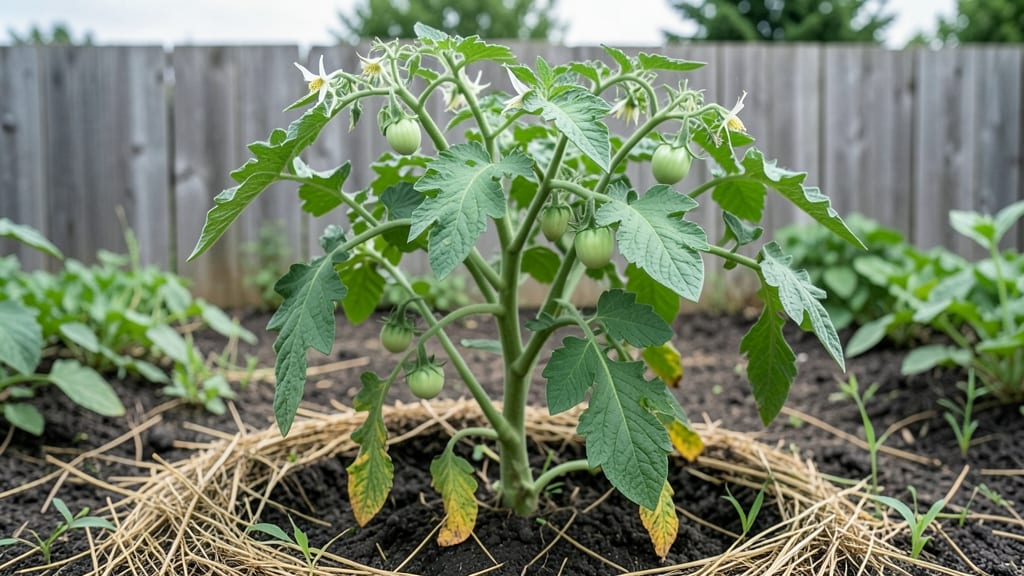
Growing plants with predictable traits year after year starts with pure line seeds 🌱—the stable foundation behind heirloom gardens and professional breeding programs.
Struggling to maintain the exact traits you love in your heirloom tomatoes or prized flowers? Pure line seeds are the secret to preserving genetic consistency—without costly hybrid surprises.
Unlike hybrids that fade after one generation, these seeds pass down their exact characteristics, so your cherry red tomatoes or violet blooms stay true to form.
For gardeners in USDA Zone 6a, this means planting March through April or August through September for reliable spring and fall harvests. Whether you're saving seeds from your best performers or buying certified varieties, pure line seeds give you control over what grows in your garden—no surprises included.
Below, I’ll show you how to spot them, keep their traits intact, and why they’re the game-changer for anyone serious about gardening with precision.
What are pure line seeds and why gardeners need them
If you’ve ever saved seeds from your best-performing tomatoes or marigolds, only to find the next generation’s plants don’t match what you expected, you’ve encountered the challenge of genetic inconsistency.
Pure line seeds solve this problem by offering genetic stability—meaning every plant grown from those seeds will reliably produce the same traits, year after year. This consistency is why seed savers and plant breeders rely on them.
Unlike hybrid seeds (like F1 hybrids), which combine two parent lines for first-generation vigor but lose those traits in subsequent generations, pure line seeds are self-pollinated and have been bred to stabilize their genetics.
Think of them as the gold standard for heirloom varieties, where traits like color, size, and disease resistance remain predictable.
For example, a Brandywine tomato grown from pure line seeds will consistently produce those signature pink beefsteak fruits, while a hybrid might revert to smaller, less flavorful varieties if you save its seeds.
The magic of pure line seeds lies in their homogeneity. When a plant is self-pollinated for multiple generations, it eventually becomes genetically uniform, ensuring offspring mirror the parent.
This process is how heirloom varieties like Black Krim tomatoes or Gladiator sunflowers maintain their iconic traits. For gardeners, this means no surprises—just the reliable performance you planted for.
But why does this matter to home gardeners? Imagine growing 100% disease-resistant zucchini every season or vibrant red hollyhock blooms that never revert to white.
Pure line seeds make this possible by eliminating genetic drift, the natural variation that occurs when seeds are saved from open-pollinated plants without careful selection. For organic gardeners, they’re also a tool to avoid GMOs and patented hybrids, giving you full control over your seed stock.
Here’s how pure line seeds stack up against other types in a quick comparison:
| Seed Type | Genetic Stability | Trait Consistency | Seed Saving | Example Varieties |
|---|---|---|---|---|
| Pure Line Seeds | High (stable) | 100% reliable | Yes, maintains traits | Brandywine tomato, Gladiator sunflower |
| Heirloom Seeds | Moderate (may vary) | 80-90% consistent | Yes, but requires selection | Cherokee Purple tomato, Black Seeded Simpson lettuce |
| Hybrid Seeds (F1) | Low (unstable) | First gen only | No, reverts to parents | Sweet 100 tomato, Early Girl pepper |
| Open-Pollinated | Variable (depends) | 50-80% consistent | Yes, but may cross-pollinate | Buttercrunch lettuce, Snap Pea |
For vegetable gardeners, pure line seeds are a game-changer when growing crops like beans, peas, or corn, where uniformity in maturity dates and pod size matters.
In flower gardens, they ensure your dahlias or zinnias bloom in the exact color and form you love, without unexpected striped petals or dwarfed growth. Even herb growers benefit—pure line basil or cilantro seeds will consistently produce the flavor profiles you prefer.
One of the biggest advantages is disease resistance. Many pure line varieties have been selectively bred over decades to withstand local pests and pathogens. For example, ‘Tyee’ pepper, a pure line variety, is resistant to tobacco mosaic virus, a common issue in home gardens.
This means fewer chemical treatments and more reliable harvests, which is a win for sustainable gardening.
However, pure line seeds aren’t just for experienced seed savers. Even beginner gardeners can benefit
How to identify and select the best pure line seed varieties
Pure line seeds are the gold standard for gardeners who want genetic consistency year after year. Unlike hybrids, these seeds produce plants with identical traits—color, size, flavor—because they've been self-pollinated for generations.
If you've ever saved seeds from your best tomatoes only to get mixed results, you know the frustration. Pure line varieties solve that problem by guaranteeing predictable performance.
But how do you spot them? Look for certified organic labels, seed packets marked as open-pollinated, or varieties from reputable breeders like Baker Creek Heirloom Seeds or High Mowing Organic Seeds.
These companies specialize in maintaining genetic purity through careful selection. Avoid seeds labeled "F1 hybrid" or "crossbred"—those won't breed true and are off-limits for serious seed savers.
Pure Line Seeds: Pros and Cons
- Genetic consistency: Traits remain stable across generations
- Seed saving: Can collect seeds from your best plants
- Predictable yields: No surprises in size, color, or flavor
- Disease resistance: Often bred for specific climate challenges
- Slower adaptation: May not perform as well in new climates
- Limited hybrid vigor: Often less robust than first-generation hybrids
- Specialized sources: Not always available at big-box stores
- Pollination risks: Must isolate plants to maintain purity
For vegetables, try Cherokee Purple tomatoes or Blue Lake bush beans—both are classic pure line varieties. In the flower department, Black Knight hollyhock or Queen of Night sweet peas deliver stunning, true-to-type blooms every season.
Herbs like Genovese basil or Mint 'Chocolate' also maintain their signature flavors when grown from pure line seeds.
Watch out for red flags like seeds from big-box retailers with no breeder info or varieties labeled as "improved" without specifics. These often mix traits or use proprietary blends that won't breed true. Always check the seed packet for terms like "open-pollinated" or "non-hybrid"—these are your green lights for purity.
Trustworthy sources include seed saver exchanges, organic seed catalogs, and university extension programs that offer tested pure line varieties. For example, Penn State's heirloom collection provides verified seeds perfect for organic gardens. Start with 1-2 varieties to test their performance in your climate before expanding your collection.
Once you identify your favorites, store seeds in cool, dark conditions with silica gel packets to maintain viability. Label each packet with the variety name and harvest year—this keeps your pure line collection organized and ready for next season's planting.