
Propagation
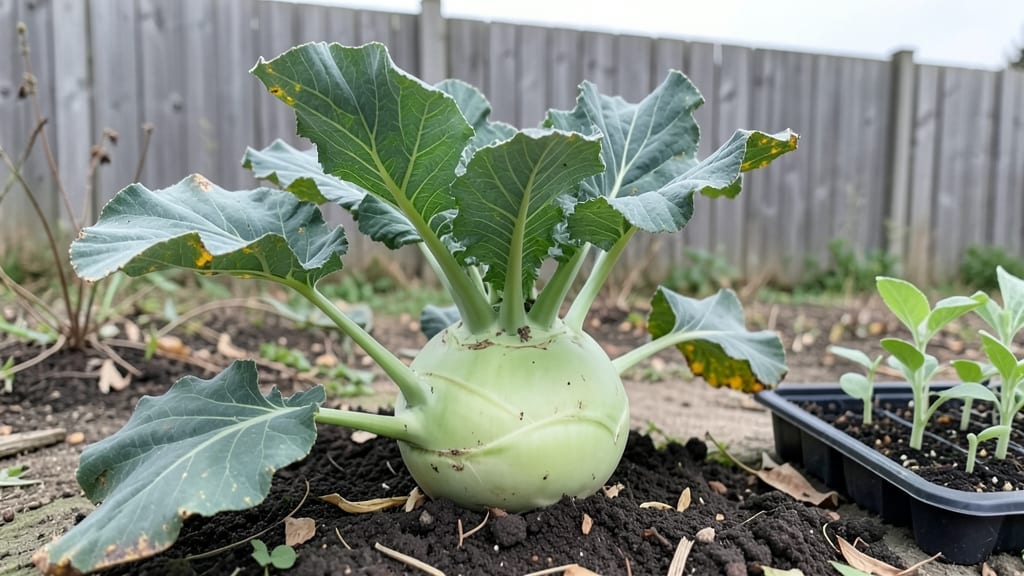
Planting kohlrabi seeds is the secret to fast, crunchy harvests that outperform store-bought veggies every time. I’ve grown them for years, and the key isn’t just the seeds—it’s the timing.
Plant too early, and you’ll get bitter bulbs; too late, and the heat turns them woody. But nail it, and you’ll harvest tender, sweet stems in just 6-8 weeks.
The trick starts with soil: loose, well-draining, and rich in compost. Kohlrabi hates soggy roots, so raise beds if your yard stays damp. Seeds go in ½ inch deep, spaced 2 inches apart, with rows 18 inches apart.
Thin seedlings to 4 inches when they’re 2 inches tall—this prevents crowding and ensures those thick, juicy stems develop properly.
What you’ll end up with is a garden full of vibrant green bulbs that taste like a cross between broccoli and cabbage. They’re crisp, sweet, and perfect raw in salads or roasted with a little butter.
The best part? You’ll avoid the grocery store’s limp, flavorless versions entirely. Just keep the soil moist and watch them grow.
This works perfectly for cool-season gardens in zones 3-10, whether you’re planting in early spring or late summer. Even small spaces can handle a few plants—just don’t skimp on the sunlight. They need full sun (6+ hours daily) to stay tender and sweet. Ready to try it?
📚 In This Guide
- What you need
- Instructions
- Tips and common mistakes
- Wrapping up and next steps
What you need
- ● Kohlrabi seeds: 1–2 packets (50–100 seeds per packet). Choose early-maturing varieties (e.g., 'Purple Vienna' or 'White Vienna') for quicker harvests.
- ● Seed-starting mix or well-draining potting soil: 1–2 cubic feet (for indoor starts) or directly in garden soil (amended with compost).
- ● Containers or garden bed: For indoor starts: 2–3" deep pots (1–2 seeds per pot).
- ● For direct sowing: 12–18" apart in rows 18–24" apart.
- ● Watering can or hose with gentle spray (avoid soaking seeds).
- ● Fertilizer: Balanced, water-soluble fertilizer (e.g., 10-10-10) for seedlings.
- ● Compost or aged manure (1–2 cups per plant at transplanting).
- ● Seedling trays (with drainage holes) for organized starts.
- ● Grow lights or sunny windowsill (if starting indoors; 12–16 hours of light/day).
- ● Garden trowel or dibble for precise seed placement.
- ● Mulch (straw or shredded leaves) to retain moisture and suppress weeds.
- ○ Row covers or cloches (optional for early spring/fall protection).
- ● Sunlight: Full sun (6+ hours/day) for optimal growth.
- ● Temperature: Soil temp: 45–85°F (7–29°C) (ideal: 60–70°F/15–21°C).
- ● Avoid frost (seeds won’t germinate below 40°F/4°C).
- ● Well-draining soil: pH 6.0–7.0 (test kit recommended if unsure).
- ● Patience (but not too much!): Kohlrabi grows in 50–60 days—one of the fastest brassicas!
Step-by-Step instructions for planting kohlrabi seeds
Kohlrabi grows faster than most root vegetables—here’s how to get a perfect, crunchy harvest in just 60 days!
Choose the Right Time and Location
Kohlrabi thrives in cool weather, so plant seeds 2-3 weeks before your last frost date in spring or 6-8 weeks before your first fall frost. This fast grower bolts (goes to seed) in heat, so avoid summer planting unless you’re in a high-altitude or coastal region. Pick a spot with full sun to partial shade—at least 4-6 hours of direct sunlight daily. If your summers are scorching, afternoon shade helps prevent bolting.
Test your soil’s readiness by pressing your finger 1 inch deep—it should feel cool and moist, not hot or dry. Kohlrabi prefers fertile, well-draining soil with a pH between 6.0 and 7.0. If your soil is heavy clay, mix in 1-2 inches of compost from the materials list to improve drainage and nutrient availability.
Prepare the Soil and Plant Seeds
Loosen the soil to a depth of 6 inches with a garden fork or tiller. Remove any rocks or debris, then create shallow furrows ½ inch deep and 12 inches apart—this spacing gives kohlrabi bulbs room to swell without crowding. Sprinkle 1 tablespoon of 5-10-10 fertilizer along each furrow to provide a slow-release nutrient boost. Cover lightly with soil, then water gently to settle everything.
Place 3-4 seeds every 12 inches in the furrow, spacing them evenly. Press them lightly into the soil—¼ inch deep is ideal—without burying too deeply, or they’ll take forever to sprout. Water again with a fine spray to keep the soil surface moist but not soggy. Kohlrabi seeds germinate best at 60-70°F, so if your soil is cooler, consider using a seedling heat mat to speed up sprouting.
Thin Seedlings for Strong Growth
Seedlings typically emerge in 5-10 days, but don’t rush to thin them too soon. Wait until they have 2-3 true leaves—these are the second set of leaves that appear after the initial seed leaves. Use scissors to snip the weakest seedlings at soil level, leaving the strongest 1 plant every 12 inches. This prevents competition and ensures your remaining plants develop thick, crunchy stems. Water the base of each plant after thinning to help them recover.
Here’s the thing—kohlrabi bulbs swell quickly, so monitor their growth closely. Once the stem reaches 2-3 inches in diameter, it’s time to harvest. If left too long, the stem becomes woody and loses its sweet, crisp texture. You’ll notice the leaves yellowing slightly as the bulb matures—that’s your cue to pick it before it bolts or develops a tough center.
Maintain Moisture and Protect from Pests
Kohlrabi needs consistent moisture to grow crisp and tender. Water 1 inch per week, aiming for the soil around the base—not the leaves—to prevent disease. Let the top inch of soil dry out slightly between waterings, but never let it get bone-dry. Mulch with 2 inches of straw to retain moisture and suppress weeds, which compete for nutrients. This also keeps the soil cool, reducing the risk of bolting in warm weather.
Watch for cabbage worms and flea beetles, which love kohlrabi. If you spot holes in the leaves, handpick the pests or use row covers to protect young plants. A light application of neem oil (if allowed in your area) can deter pests without harming the plant. Harvest frequently to encourage continuous production—kohlrabi grows best when you pick it young and often.
Harvest at Peak Crunchiness
The perfect time to harvest is when the stem is 2-3 inches in diameter and the leaves are still vibrant green. Use a sharp knife to cut the stem ½ inch above the soil line, leaving the roots intact. This encourages a second harvest in 2-3 weeks if the plant hasn’t bolted. Kohlrabi stores well in the fridge for 2-3 weeks if you wrap the stems in a damp paper towel to retain moisture.
Don’t wait too long—once the stem exceeds 3 inches, it becomes tough and pithy. You’ll know it’s past its prime when the leaves start to yellow and the stem feels woody. For a continuous supply, succession plant seeds every 2 weeks after your initial planting. This ensures you always have fresh, crunchy kohlrabi ready for salads, roasting, or steaming!
Tips & tricks for planting kohlrabi seeds
These game-changing tips will help you avoid common pitfalls and get that perfect, crunchy harvest in just 60 days!
Timing is Everything: Those 2-3 weeks before your last frost date are critical for spring planting. If you're in a region with unpredictable weather, err on the earlier side—kohlrabi bolts quickly when temperatures rise above 70°F. I've learned this the hard way after watching my plants go to seed too soon. For fall planting, the 6-8 week window before your first frost gives you just enough time for a full harvest before cold sets in.
Soil Prep Secret: Don't skimp on the 6 inches of loosened soil in Step 2—this creates ideal root growth conditions. If you're working with heavy clay soil, that 1-2 inches of compost isn't just helpful, it's essential. I mix in an extra half-inch of compost when I know my soil is particularly dense, and it makes all the difference in preventing root rot. The goal is that cool, moist soil 1 inch deep that we check for in Step 1.
Thinning Technique: When you're thinning to leave the strongest 1 plant every 12 inches in Step 3, use sharp scissors and cut at soil level—not pull. This prevents disturbing the roots of your remaining plants. I've found that thinning when seedlings have 2-3 true leaves gives them just enough time to establish strong root systems before competing for space and nutrients.
Harvesting Hack: That 2-3 inch diameter is your sweet spot for harvest—any larger and you lose that perfect crunch. I've developed a simple trick: when the stem feels firm but still yields slightly to gentle pressure (like a ripe avocado), it's ready. The leaves will also start showing subtle yellowing at the edges when it's time to harvest, giving you that second visual cue.
Pro Tips for Planting Kohlrabi Seeds
- These game-changing tips will help you avoid common pitfalls and get that perfect, crunchy harvest in just 60 days!
- Timing is Everything: Those 2-3 weeks before your last frost date are critical for spring planting.
- Soil Prep Secret: Don't skimp on the 6 inches of loosened soil in Step 2—this creates ideal root growth conditions.
Frequently asked questions
Got questions about growing kohlrabi from seeds? You’re not alone! Here are answers to the most common concerns—so you can plant with confidence and enjoy that crisp, sweet harvest sooner than you think.
When is the best time to plant kohlrabi seeds?
Kohlrabi thrives in cool weather, so plant seeds 2–4 weeks before your last spring frost (typically March–April in most zones) or 8–10 weeks before your first fall frost (August–September). Avoid planting in hot summer months—it bolts quickly in heat! For extended harvests, stagger seeds every 2 weeks.
How long does it take for kohlrabi seeds to germinate?
Kohlrabi seeds usually sprout in 7–14 days at soil temperatures between 50–75°F (10–24°C). Keep soil moist (not soggy) and in partial shade until seedlings appear. If germination takes longer, check seed viability or adjust moisture levels—patience pays off!
Can I grow kohlrabi in containers or small spaces?
Kohlrabi is perfect for containers—just use a 5–7 gallon pot with at least 6 inches of depth. Space seeds 3–4 inches apart, and thin to 4–6 inches as they grow. Choose compact varieties like ‘Purple Vienna’ or ‘White Vienna’ for smaller gardens or balconies.
What pests should I watch for, and how do I prevent them?
Kohlrabi attracts cabbage worms, flea beetles, and aphids. Protect seedlings with row covers or neem oil spray. Rotate crops yearly, remove weeds, and handpick pests early. For beetles, use diatomaceous earth around plants—it’s a natural, non-toxic barrier!
How do I know when kohlrabi is ready to harvest?
Harvest when the bulb (the swollen stem) is 2–3 inches wide and firm to the touch—like a small turnip. Wait too long, and it gets woody or bitter. Use a sharp knife to cut the stem 1 inch above the soil. Leaves are edible too (cook like greens), but the bulb is the star!
Bonus Tip: What if my kohlrabi bolts or tastes bitter?
Bolting (sending up a flower stalk) or bitterness usually means heat stress. If planted too late in spring or early summer, move pots to partial shade or harvest quickly. For fall crops, ensure seeds get full sun early on and cool nights to stay sweet and crisp.
Wrapping up and next steps
You’re now ready to grow your own crunchy, nutrient-packed kohlrabi—what an exciting journey! 🌱 With the right timing, soil, and care, you’ll soon be harvesting vibrant, fast-growing bulbs to enjoy fresh or in your favorite recipes.
Don’t let hesitation slow you down: grab those seeds, get planting, and watch your garden thrive!
💡 Next step: Mark your calendar for harvest time (about 60-70 days after sowing) and start brainstorming delicious ways to use your homegrown bounty!