
Propagation
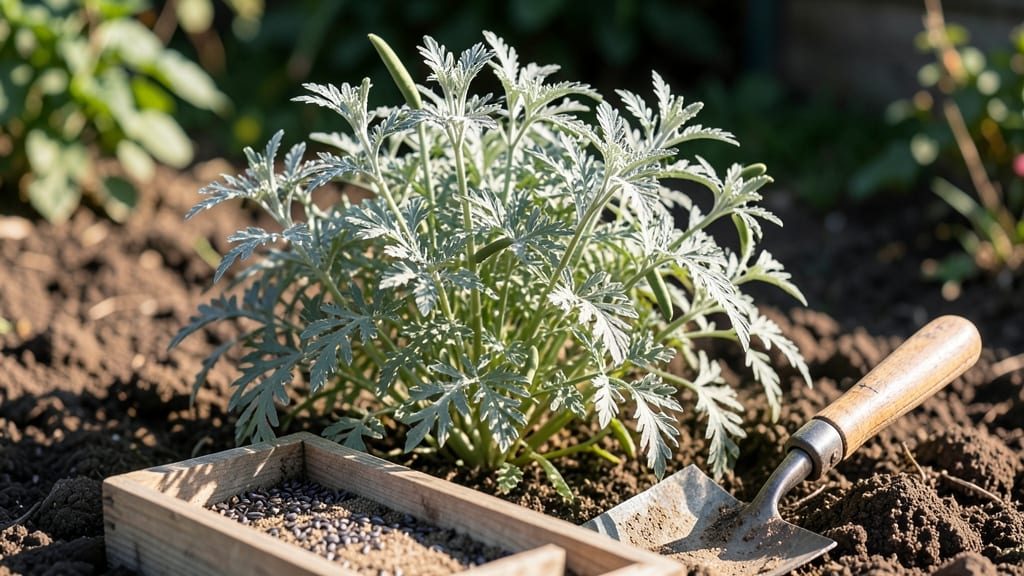
Planting cumin seeds in the right soil—sun-dried, crumbly, and packed with just enough moisture—is the secret to fast, fragrant harvests, and I learned the hard way that soggy soil drowns them before they even sprout, while dry soil... leaves it desperate for water.
The trick is mimicking its Mediterranean homeland: warm, well-draining earth that holds moisture without turning to mud.
You’ll need 3 parts sandy loam, 1 part perlite, and a pinch of compost—nothing fancy, just enough to give roots room to stretch. Cumin thrives in full sun (6+ hours daily) and 60-70°F soil, so wait until after your last frost when nights stay warm.
The seeds are tiny—1/8-inch deep—so use a fine sift or mix them with sand before planting to avoid clumping.
Within 7-14 days, you’ll spot those first pale green shoots, and by 6-8 weeks, you’ll be snipping leaves for cooking or watching delicate white flowers form. The key is consistent moisture—not soggy, not bone-dry—so mulch lightly to keep soil even.
Patience pays off: a single plant yields 1/4 teaspoon of seeds, but a full patch? That’s a spice cabinet’s dream.
Works for both container gardens (5-gallon pots) and in-ground beds—just avoid heavy clay. Here’s where most gardeners stumble: overwatering or planting too deep. We’ll fix that next.
📚 In This Guide
- What you need
- Instructions
- Tips and common mistakes
- Wrapping up and next steps
What you need
- ● Cumin seeds: 1–2 teaspoons (about 3–6 grams) per planting area (e.g., pots, garden beds, or containers). Choose organic, non-GMO seeds for the best flavor and growth.
- ● Well-draining potting soil: 1–2 bags (1–2 cubic feet each) of lightweight, sandy loam mix or a blend designed for herbs/spices. Avoid heavy clay soil.
- ● Containers or garden bed: For containers: 4–6-inch-deep pots (with drainage holes) or a shallow tray (6+ inches deep) for multiple seeds.
- ● For garden beds: A sunny spot with loose, well-aerated soil (amend with compost if needed).
- ● Watering can or spray bottle: With a fine nozzle for gentle hydration (avoid over-saturating seeds!).
- ○ Gloves (optional but recommended): To protect your hands from soil and cumin’s mild irritants for sensitive skin.
- ● Sunlight access: A location receiving 6–8+ hours of direct sunlight daily (cumin thrives in warmth!).
- ● Compost or worm castings: 1–2 tablespoons per pot to boost soil fertility.
- ● Mulch (straw or shredded leaves): To retain moisture and regulate soil temperature.
- ● Plant labels: To track varieties or planting dates (cumin can cross-pollinate!).
- ● Grow lights: If starting indoors before the last frost (cumin needs warmth to germinate).
- ● Pest deterrents: Neem oil or diatomaceous earth (prevents aphids or fungal issues).
Step-by-Step instructions for planting cumin seeds
Here’s how to grow fragrant cumin from seed with minimal fuss—ready for harvest in just 8-10 weeks.
Prepare the Soil for Optimal Germination
Cumin thrives in well-draining, sun-warmed soil with a neutral pH. Start by tilling the planting area to a depth of 6-8 inches, breaking up any compacted soil. Work in 2-3 inches of compost to enrich the bed, as cumin prefers loose, airy conditions. The goal is soil that crumbles easily when squeezed—think of it like dry cake mix, not wet sand.
If your soil retains moisture too long, mix in sand or perlite to improve drainage. Cumin roots are shallow but sensitive to waterlogged conditions, which can rot seeds before they sprout. Test your soil’s readiness by filling a small container with water—if it drains completely within 10 minutes, it’s ready for planting.
Sow Seeds at the Right Depth and Spacing
Scatter the cumin seeds ¼ inch deep in rows spaced 12-18 inches apart. Press them lightly into the soil—just enough to ensure good soil contact, but don’t bury them deeper. Over-planting leads to weak, crowded seedlings, so space seeds 1 inch apart within rows. I like to use a small rake to create shallow furrows for even depth.
Water gently but thoroughly after sowing to settle the soil around the seeds. Avoid soaking the area—cumin seeds need moisture to germinate, but standing water will suffocate them. A light misting with a spray bottle works best until you see first green shoots in 7-14 days. Keep the soil consistently moist but never soggy during this critical phase.
Provide Sun and Thin Seedlings for Strong Growth
Cumin demands full sun—at least 6-8 hours daily—to develop its signature aroma. If your climate is hot, plant in late spring or early summer to avoid wilting. Once seedlings emerge, thin them to 6 inches apart to prevent competition. Use sharp scissors to snip unwanted plants at soil level—pulling risks disturbing roots of nearby seedlings.
Watch for first true leaves (the second set after the initial seed leaves) as a sign to reduce watering slightly. Mature cumin plants are drought-tolerant, but young seedlings need 1 inch of water per week. Mulch lightly with straw or grass clippings to retain moisture and suppress weeds, but keep mulch 2 inches away from stems to avoid rot.
Monitor for Pests and Harvest at Peak Flavor
Cumin is relatively pest-resistant, but watch for aphids or spider mites on leaves. Spray affected plants with neem oil if needed—it’s organic and safe for edible crops. Avoid over-fertilizing; cumin prefers lean soil. You’ll know it’s ready to harvest when pods turn brown and split open naturally, usually 8-10 weeks after sowing.
Cut the entire plant at the base with pruning shears, then hang bundles upside down in a dry, well-ventilated area for 2-3 weeks to dry completely. Once pods are brittle, rub them between your hands to release the seeds. Store in an airtight container away from light—properly dried cumin stays fragrant for up to a year.
Tips & tricks for planting cumin seeds
Fast, fragrant cumin starts with these key techniques that accelerate growth and maximize flavor potential.
Soil Preparation Insight: The 10-minute drainage test in Step 1 is non-negotiable—cumin seeds will rot if planted in waterlogged soil. For even faster germination, mix in vermiculite instead of sand when amending heavy soils. This lightweight additive improves aeration while maintaining moisture retention, helping seeds sprout in as little as 7 days rather than the full 14-day window. The goal is soil that feels like dry coffee grounds when squeezed.
Seed Spacing Strategy: When creating those ¼-inch-deep furrows in Step 2, use a ruler to maintain perfect spacing—1 inch between seeds and 12-18 inches between rows. This precision prevents overcrowding that leads to leggy, weak plants. I've found that planting in a grid pattern (rather than straight rows) actually improves air circulation between plants, which reduces fungal risks during the critical 7-14 day germination phase.
Sunlight Optimization: The instructions mention 6-8 hours of daily sun, but cumin thrives with 8+ hours for maximum oil development. In hot climates, plant in late spring when days are long but nights remain cool—this balance prevents wilting while allowing full sunlight exposure. For containers, place pots where they receive morning sun and afternoon shade during peak summer months to maintain consistent growth.
Harvest Timing: The 8-10 week harvest window can be narrowed to exactly 9 weeks if you notice pods beginning to brown at the plant's base first. These are the earliest to mature—harvest them first by gently twisting them off, then let the remaining pods continue ripening. This staggered approach gives you fresh cumin over a 2-3 week period rather than all at once, extending your harvest window.
Pro Tips for Planting Cumin Seeds
- Fast, fragrant cumin starts with these key techniques that accelerate growth and maximize flavor potential.
- Soil Preparation Insight: The 10-minute drainage test in Step 1 is non-negotiable—cumin seeds will rot if planted in waterlogged soil.
- Seed Spacing Strategy: When creating those ¼-inch-deep furrows in Step 2, use a ruler to maintain perfect spacing—1 inch between seeds and 12-18 inches between rows.
Frequently asked questions
Got questions about growing your own cumin? Here are answers to the most common queries—so you can spice up your garden with confidence!
When is the best time to plant cumin seeds?
Cumin thrives in warm soil (at least 60°F/15°C). Plant seeds 2-3 weeks after your last frost in spring or 6-8 weeks before the first fall frost for a second harvest. Avoid planting in cold or wet soil—cumin seeds hate soggy conditions!
How long does it take for cumin seeds to germinate and grow?
Germination takes 7-14 days in warm soil. Once sprouted, expect 60-90 days to maturity (harvest-ready). Thin seedlings to 12-18 inches apart for optimal airflow and growth. Pro tip: Keep soil consistently moist but not waterlogged!
Can I grow cumin indoors or in containers?
Yes! Cumin grows well in 5-gallon pots with drainage holes. Use a well-draining potting mix and place in a sunny spot (6+ hours of light daily). Containers work great for small spaces, but expect slightly smaller plants compared to in-ground growth.
What pests or diseases should I watch for when growing cumin?
Cumin is generally pest-resistant, but watch for aphids, spider mites, or whiteflies. Treat with neem oil if needed. Overwatering can cause root rot, so ensure soil dries slightly between waterings. Pro tip: Rotate crops yearly to prevent soil-borne issues!
Can I use cumin seeds from the spice rack to plant?
No—store-bought cumin seeds are often treated or irradiated to preserve shelf life, which prevents germination. Buy organic, untreated cumin seeds from a seed supplier instead. Look for labels like "for planting" to ensure viability!
Wrapping up and next steps
Planting cumin seeds in sun-dried soil is a rewarding way to grow a fragrant, flavorful herb with minimal fuss! By following the right prep—like warming the soil, choosing the perfect location, and ensuring proper spacing—you’ll set your seeds up for fast, healthy growth.
Whether you’re a beginner or a seasoned gardener, these steps make it easy to cultivate a thriving cumin patch.
Now that you’re ready to plant, take the next step—grab your seeds, head outdoors, and watch your garden transform into a fragrant haven! 🌱✨ Happy planting!