Planting
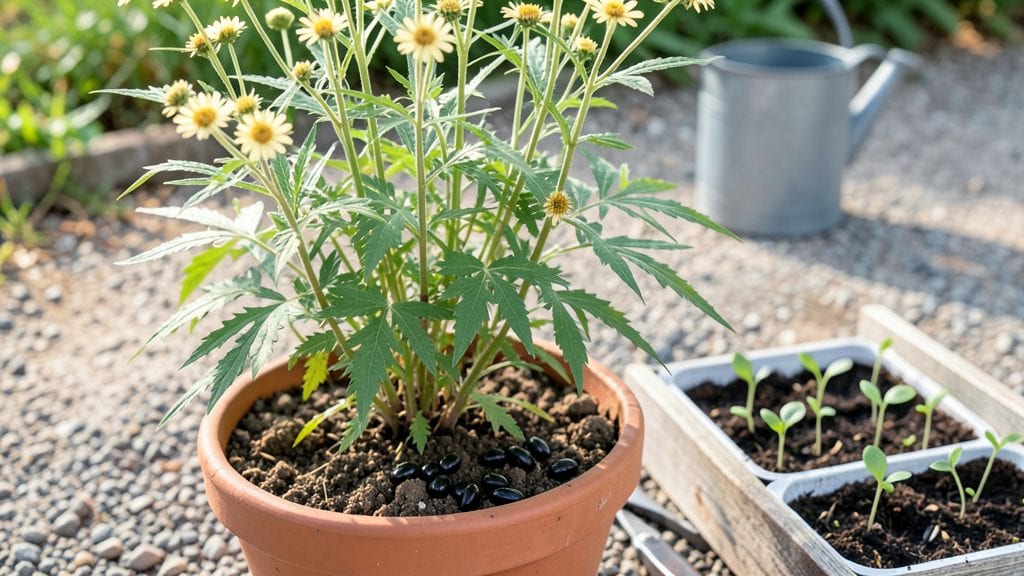
Planting Niger seeds delivers fast, vibrant blooms that turn your garden into a buzzing pollinator party within weeks. 🌻 I’ve grown these sun-loving annuals for years, and they’re the secret weapon for filling gaps between spring and fall plantings—no waiting months for color like with some flowers.
The key to success starts with well-draining soil and a sunny spot (at least 6 hours of direct light daily). Niger seeds are tiny but tough—just sprinkle them ¼-inch deep and space them 12 inches apart for full, bushy plants.
They germinate in 5-10 days, and once up, they grow 3-4 feet tall with daisy-like blooms that bees and butterflies adore.
You’ll see those first bright yellow flowers in 6-8 weeks, and they keep coming until frost. The plants stay compact, so they’re perfect for borders, containers, or even cutting gardens. Plus, the seeds themselves are a birdseed goldmine—just leave some stalks to dry for winter feeders.
Works in zones 3-11, making them one of the most adaptable fast-blooming annuals. Here’s how to get started without a single guesswork moment—your garden’s pollinator party awaits.
📚 In This Guide
- What you need
- Instructions
- Tips and common mistakes
- Wrapping up and next steps
What you need
- ● Niger seeds: 1–2 oz (about 30–60g) for small gardens or containers; 4–8 oz (113–227g) for larger spaces. Opt for organic, non-GMO seeds for best results.
- ● Well-draining potting mix: 5–10 gallons (19–38L) of lightweight, organic soil (e.g., a blend of peat moss, perlite, and compost). Avoid heavy clay soils.
- ● Containers or garden bed: Containers: 6–12-inch (15–30cm) pots with drainage holes (2–4 plants per pot).
- ● Garden beds: Full sun (6+ hours daily) and loose, fertile soil.
- ● Watering can or hose: With a gentle spray nozzle for even moisture.
- ● Hand trowel or transplanting tool (for digging small holes).
- ● Seed starter tray (if pre-sprouting indoors).
- ● Organic fertilizer (e.g., fish emulsion or compost tea) for nutrient boosts.
- ● Mulch (straw or shredded leaves) to retain moisture and suppress weeds.
- ● Pollinator-friendly companion plants (e.g., marigolds or sunflowers) to attract more bees and butterflies.
Step-by-step instructions for planting Niger seeds
Here's how to grow these pollinator favorites from scratch in under two months.
🌱 Step 1: Prepare the Soil and Sow Seeds
Niger seeds thrive in well-draining soil with a pH between 6.0-7.0. Work the 2 gallons of potting mix with 1 cup of perlite to improve aeration—this prevents the delicate roots from sitting in soggy conditions. I like to add a handful of compost for nutrients without compacting the mix too much.
Scatter the 1 packet of niger seeds (about 25 seeds) evenly over the surface. Press them lightly into the top ¼ inch of soil—don't bury them deeper, or they'll struggle to emerge. Niger seeds are tiny, so I use a fine mesh strainer to distribute them evenly without overcrowding. Water gently with a spray bottle until the soil is moist but not saturated.
☀️ Step 2: Provide Warmth and Light for Germination
Place the container in a warm spot with bright, indirect light—think 65-75°F and 6+ hours of light daily. A south-facing window works, but if your space is dim, supplement with a grow light kept 4-6 inches above the seedlings. Niger seeds germinate fastest in warmth, so I often use a seedling heat mat set to 75°F until sprouts appear.
Keep the soil consistently moist but never waterlogged. You'll see tiny green sprouts in 7-14 days. Once they emerge, remove the heat mat and move them to a slightly cooler spot (60-65°F) to prevent leggy growth. Thin seedlings to 3 inches apart once they reach 2 inches tall—this ensures strong, airy plants.
💧 Step 3: Maintain Moisture and Fertility
Water deeply every 2-3 days, letting the top 1 inch of soil dry between waterings. Niger plants are drought-tolerant once established, but young seedlings need consistent moisture. I use a watering can with a fine rose to avoid disturbing the delicate stems. Fertilize lightly every 4 weeks with a balanced liquid fertilizer (10-10-10) diluted to half-strength—too much nitrogen will reduce blooms.
Watch for first true leaves (the second set after the initial cotyledons) as a sign of healthy growth. At this stage, you can transplant seedlings to their final location if desired. Niger thrives in full sun, so move them outdoors after the last frost date or when night temperatures stay above 50°F. Harden off seedlings by exposing them to outdoor conditions for 1-2 hours daily over 5-7 days before permanent planting.
✂️ Step 4: Encourage Blooms and Support Pollinators
Once plants reach 6-12 inches tall, they’ll start producing airy, feathery blooms that attract butterflies, bees, and hummingbirds. Deadhead spent flowers regularly to promote continuous blooming—simply pinch off faded blooms with your fingers. This prevents the plant from wasting energy on seed production and redirects it toward new flowers.
Niger plants are annuals, so they’ll self-seed prolifically. If you want to control where they grow, collect seeds before they scatter. The 1 packet you planted will likely yield 50-100 extra seeds by late summer. Store them in a cool, dry place for next year’s planting. With proper care, your niger plants will reward you with months of vibrant blooms and a buzzing garden full of life.
Tips & tricks for planting Niger seeds
Fast, reliable blooms start with these key strategies that'll help you avoid common pitfalls and maximize your pollinator-friendly garden.
The Soil Mix Secret: The combination of 2 gallons of potting mix with 1 cup of perlite is crucial—this creates the perfect balance of aeration and moisture retention. I've found that adding a handful of compost (about ½ cup) gives just enough nutrients without compacting the mix too much. Pro tip: Sift the potting mix first to remove any large clumps that could block delicate roots.
Germination Temperature Matters: Niger seeds are sensitive to temperature fluctuations. Maintain that 75°F heat mat setting until sprouts appear—this is the sweet spot for fastest germination. Once they emerge, the shift to 60-65°F prevents leggy growth by slowing their vertical stretch. I've seen germination times cut in half when keeping seeds at this ideal temperature range.
Thinning Technique: When thinning seedlings to 3 inches apart at the 2-inch tall stage, use a pair of clean scissors to snip at soil level rather than pulling. This prevents disturbing the roots of your remaining plants. I always thin in stages—first to 1 inch, then to 2 inches, then finally to 3 inches—to give plants time to adjust.
Lighting Strategy: If you're supplementing with grow lights, position them 4-6 inches above seedlings and use a timer for 12-14 hours daily. Niger plants need bright light but can scorch if too close. I've had success with LED grow lights on a 12-hour cycle—this mimics natural daylight patterns and prevents stretching.
Pro Tips for Plant Niger Seeds
- Fast, reliable blooms start with these key strategies that'll help you avoid common pitfalls and maximize your pollinator-friendly garden.
- The Soil Mix Secret: The combination of 2 gallons of potting mix with 1 cup of perlite is crucial—this creates the perfect balance of aeration and moisture retention.
- Germination Temperature Matters: Niger seeds are sensitive to temperature fluctuations.
Frequently asked questions
Got questions about planting Niger seeds? You’re not alone! Here are answers to the most common queries to help you grow a thriving pollinator garden with ease.
When is the best time to plant Niger seeds?
Niger seeds thrive in warm weather, so plant them after the last frost when soil temperatures reach at least 60°F (15°C). For most regions, this means late spring or early summer. If you’re in a mild climate, you can even try fall planting—but avoid frost!
How long does it take for Niger seeds to germinate and bloom?
Germination usually happens in 7–14 days under ideal conditions (warm soil, consistent moisture). Once sprouted, expect fast growth—you’ll see blooms in just 4–6 weeks! Their quick turnaround makes them perfect for instant color in your garden.
Do Niger seeds need full sun, and how much water do they need?
Yes! Niger seeds love full sun (6+ hours daily) and well-draining soil. Water lightly after planting, then keep soil moist but not soggy. Once established, they’re drought-tolerant, but young plants benefit from 1 inch of water per week. Overwatering can lead to mold—so let the topsoil dry slightly between waterings.
Are Niger seeds easy to grow for beginners?
Niger seeds are low-maintenance and forgiving, making them ideal for beginners. They’re self-seeding, so you’ll likely get volunteer plants the next year. Just avoid over-fertilizing—they prefer lean soil. With minimal effort, you’ll have a buzzing garden full of pollinators in no time!
What can I do if my Niger seeds aren’t germinating?
If seeds aren’t sprouting, check these fixes:
- Soil temperature: Use a seedling heat mat if your soil is too cool.
- Moisture: Keep soil damp (not wet) with a spray bottle.
- Depth: Plant seeds only ¼ inch deep—they need light to germinate.
- Fresh seeds: Niger seeds lose viability quickly; buy new ones if older than a year.
Wrapping up and next steps
Planting Niger seeds is a rewarding way to attract pollinators, boost your garden’s beauty, and enjoy fast, cheerful blooms! With minimal effort and the right conditions, these resilient seeds deliver stunning results—perfect for beginners and seasoned gardeners alike. 🌸
Ready to take the next step? Start by gathering your supplies, pick a sunny spot, and sow those seeds with confidence. Before you know it, your garden will be buzzing with life—and you’ll be basking in the joy of vibrant, pollinator-friendly flowers! Happy planting! 🌱