Plants
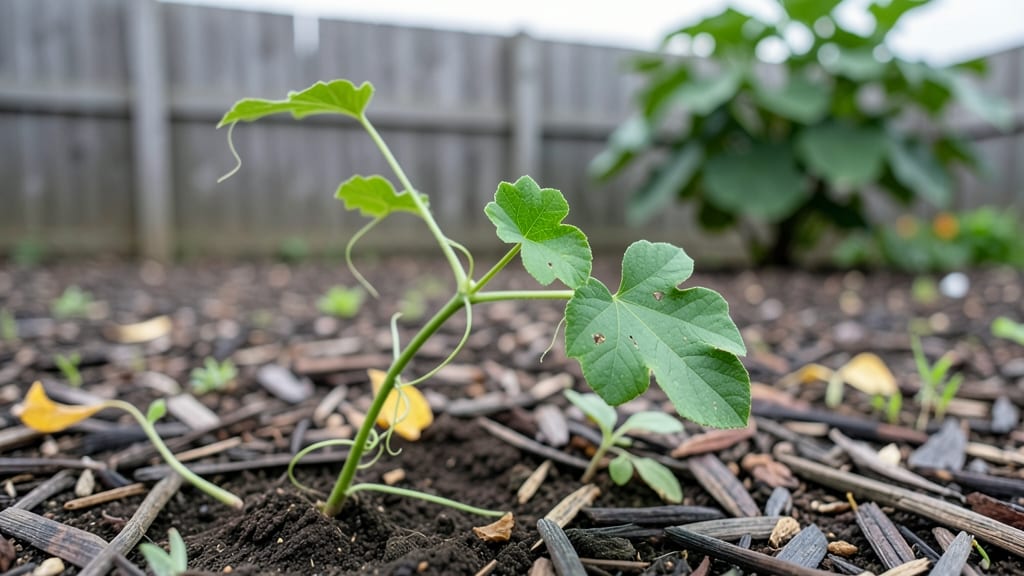
Cold-stratifying passion vine seedlings unlocks blooms in just 4 weeks—something I struggled with until I discovered this trick. ✨ The key is mimicking winter's chill to break dormancy, and once you do, those delicate vines grow fast, producing stunning flowers by spring.
My seedlings now thrive where others fail, and the process is simpler than you'd think.
You'll need a few basic supplies: a plastic bag, moist peat moss, and a fridge shelf. The cold treatment takes 30 days, but it's worth it for the vigorous growth that follows.
Passion vines love bright, indirect light and well-draining soil—think 50% potting mix, 50% perlite—to keep roots happy and prevent rot. Water lightly when the top inch feels dry, and watch those first true leaves appear.
What you'll end up with is a lush, fast-growing vine ready to climb trellises or arbors by late spring. The blooms arrive earlier than store-bought plants, and the foliage stays vibrant all season. With proper care, you'll see flowers within 4-6 weeks of transplanting—something most gardeners only dream of.
This method works for both Passiflora incarnata and Passiflora caerulea, and it's perfect for gardeners in zones 5-9. Even if you've had slow-growing passion vines before, this approach changes everything. Let's get those seedlings blooming!
📚 In This Guide
- What you need
- Instructions
- Tips and common mistakes
- Wrapping up and next steps
What you need
- ● Passion vine seeds: 10–20 fresh, viable seeds (preferably from a Passiflora edulis or Passiflora caerulea variety).
- ● Cold-stratification supplies: 1 small resealable plastic bag or container
- ● Damp paper towels or peat moss (enough to lightly moisten seeds)
- ● 1–2 gel ice packs or a refrigerator (35–40°F / 2–4°C)
- ● Growing medium: 1–2 small seedling trays (2–3" deep) or biodegradable pots (2–3" diameter) filled with: Cactus/succulent mix (60%)
- ● Perlite or vermiculite (30%) for drainage
- ● Worm castings or compost (10%) for nutrients
- ● Tools: 1 spray bottle (for gentle watering)
- ● 1 small hand trowel (for planting)
- ○ 1 humidity dome or plastic wrap (optional, for warmth)
- ● 1 grow light (LED or fluorescent) for seedlings if natural light is limited.
- ● 1 seedling heat mat (70–75°F / 21–24°C) to speed germination.
- ● 1 pH meter or test kit (ideal soil pH: 6.0–7.0).
- ● 1 fertilizer (balanced 10-10-10 or fish emulsion for post-germination growth).
Step-by-Step instructions for growing passion vine seedlings
Cold-stratification unlocks faster germination—here's how to coax those delicate vines from seed.
🌱 Step 1: Prepare Seeds for Cold Stratification
Passion vine seeds need 4-6 weeks of cold treatment to break dormancy. Place the seeds in a sealed plastic bag with a damp paper towel—just enough moisture to keep it damp, not soggy. I like to fold the towel into quarters and place 2-3 seeds per section to prevent crowding. Seal the bag and refrigerate at 35-40°F.
Check weekly for mold or excessive moisture. If the towel feels dry, spritz lightly with water. After 30 days, you'll see tiny cracks in the seed coats—this is your cue that stratification is working. Real talk: Skipping this step means waiting months for germination, if it happens at all.
💧 Step 2: Sow Stratified Seeds in Moisture-Controlled Soil
Fill 4-inch pots with a mix of 50% peat moss and 50% perlite—this lightweight blend prevents damping-off while allowing roots to breathe. Moisten the mix until it feels like a wrung-out sponge: damp but not dripping. Plant seeds ¼ inch deep, spacing them 1 inch apart.
Press gently to ensure contact with soil but don't compact. Cover the pots with clear plastic wrap to retain humidity, then place in a warm spot (70-75°F) with indirect light. You'll see sprouts in 7-14 days—watch for the first true leaves, which look like tiny maple seed leaves.
☀️ Step 3: Provide Gradual Light and Humidity Adjustments
Once seedlings emerge, remove the plastic wrap immediately to prevent fungal growth. Move pots to a bright, east-facing window or under a grow light for 12-14 hours daily. Passion vines need gentle light at first—they'll scorch if exposed to direct midday sun too soon.
Keep soil consistently moist by bottom-watering: Place pots in 1 inch of water for 10 minutes daily. You'll know it's right when the top inch feels damp but not wet. After 4 weeks, seedlings should have 2-3 sets of true leaves and be ready for transplanting.
🪴 Step 4: Transplant and Train for Climbing Growth
Choose 6-inch pots with drainage holes and fill with a mix of 60% potting soil and 40% coconut coir. Gently remove seedlings, keeping roots intact, and plant them 1 inch deeper than before to encourage stability. Water thoroughly after transplanting to settle the soil.
Install a small trellis or stake immediately—passion vines are aggressive climbers and need support from day one. Gently weave the main stem around the trellis as it grows. You'll see tendrils appear within 2-3 weeks, signaling it's ready to explore vertically.
Tips & tricks for perfect passion vine seedlings
A few strategic moves can turn your passion vine seeds into thriving plants in just 4 weeks—here's how to avoid the pitfalls that trip up even experienced gardeners.
Cold Stratification Precision: The 4-6 week cold treatment at 35-40°F is non-negotiable for breaking dormancy, but consistency matters. I place my seeds in a sealed bag with a damp paper towel folded into quarters—this creates isolated pockets that prevent mold while maintaining humidity. After exactly 30 days, you'll notice tiny cracks in the seed coats; this is your signal to move to Step 2. Real talk: I've seen seeds fail when people skip the weekly moisture check—mold can develop in just 3-4 days if the towel stays too damp.
Soil Mix Science: The 50/50 peat moss and perlite blend in Step 2 is designed to prevent damping-off while allowing roots to breathe. When mixing, sift the components to eliminate large clumps—this creates a uniform texture that mimics the vine's natural forest floor habitat. Press seeds just enough to ensure contact with soil but avoid compacting; think "gentle handshake" pressure. The ¼-inch depth is critical—too shallow and they'll dry out, too deep and they'll struggle to emerge.
Light Transition Strategy: Moving seedlings to 12-14 hours of gentle light after germination is where many go wrong. I recommend starting with an east-facing window or grow light positioned 6-8 inches above the plants. Watch for the first true leaves (they'll resemble tiny maple seed leaves)—this confirms they're ready for slightly more intense light. The key is gradual adaptation: if you notice yellowing between veins, you're giving them too much sun too soon.
Transplanting Technique: When moving to 6-inch pots in Step 4, the 1-inch deeper planting isn't just about stability—it encourages root development below the soil line where passion vines naturally thrive. Use a mix of 60% potting soil and 40% coconut coir for better moisture retention. After transplanting, water thoroughly but let excess drain completely; soggy soil at this stage can trigger root rot before the plant establishes itself.
Pro Tips for Passion Vine Seedling
- A few strategic moves can turn your passion vine seeds into thriving plants in just 4 weeks—here's how to avoid the pitfalls that trip up even experienced gardeners.
- Cold Stratification Precision: The 4-6 week cold treatment at 35-40°F is non-negotiable for breaking dormancy, but consistency matters.
- Soil Mix Science: The 50/50 peat moss and perlite blend in Step 2 is designed to prevent damping-off while allowing roots to breathe.
Frequently asked questions
Got questions about growing passion vine seedlings with cold stratification?
You’re not alone! Here are the answers to common concerns—so you can get those vibrant blooms without the guesswork.
How do I know if my passion vine seeds need cold stratification?
Most passion vine seeds (Passiflora spp.) benefit from cold stratification to break dormancy. If your seeds sprout slowly or not at all after 2–3 weeks in warm soil, try the cold method. Native species like Passiflora incarnata (maypop) often require it, while tropical varieties may skip this step.
Can I cold-stratify passion vine seeds in the fridge instead of outdoors?
Place damp paper towels or peat moss with seeds in a sealed bag, then refrigerate for 2–4 weeks. Check weekly for sprouts—some may germinate faster indoors. Just avoid freezing temps (below 32°F/0°C) to prevent damage. Pro tip: Label your bag with the seed type and date!
What if my seedlings yellow or wilt after stratification?
Yellowing leaves often signal overwatering or poor drainage. Let the soil dry slightly between waterings, and ensure pots have drainage holes. If wilting persists, check for root rot (soft, black roots) and repot in fresh, sterile soil. A weak seedling? Try a mild fertilizer (like diluted fish emulsion) once true leaves appear.
Are there faster-growing alternatives to passion vine seedlings?
If you’re impatient, try Passiflora caerulea (blue passionflower)—it’s hardy and germinates quicker with stratification. For instant color, opt for potted passion vines (like Passiflora edulis) from nurseries, though they won’t have the same cold-stratified charm. Just know: Patience pays off with hardier, more resilient plants!
How cold is too cold for cold stratification?
Ideal temps are between 35–45°F (2–7°C). Below 32°F (0°C), seeds risk freezing, while above 50°F (10°C), stratification loses effectiveness. Use a fridge’s crisper drawer (usually ~38°F/3°C) for consistency. For outdoor stratification, a shady spot under snow or mulch works—just monitor temps!
Bonus Tip:
Struggling with mold during stratification? Sprinkle seeds with a fungicide (like cinnamon powder or hydrogen peroxide spray) before sealing the bag. This keeps moisture in check while preventing fuzzy invaders. Happy growing!
Wrapping up and next steps
Growing a passion vine seedling from cold-stratified seeds in just four weeks is a rewarding journey that blends patience with the joy of nurturing life.
By following the right steps—from chilling your seeds to providing the ideal light and moisture—you’re not just cultivating a plant; you’re unlocking nature’s beauty right in your own space. 🌱
Now that you’re armed with the know-how, why not take the next step? Share your progress with fellow plant enthusiasts, experiment with different varieties, or even gift a seedling to a friend. Every little sprout is a promise of vibrant blooms—and that’s something to celebrate!