Trees
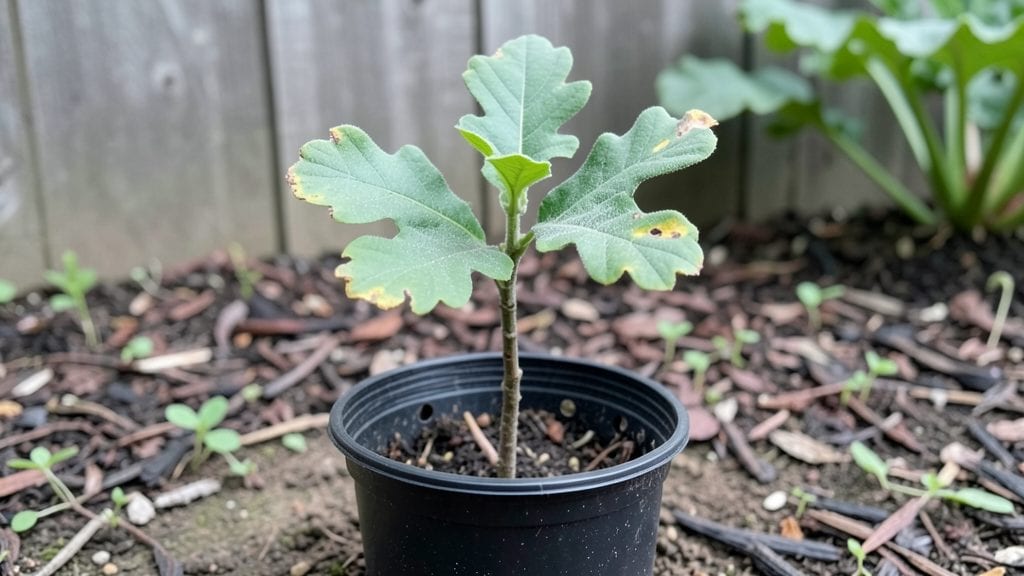
Caring for oak seedlings transforms a tiny acorn into a towering shade tree with just the right balance of patience and attention. 🌱 I’ve nurtured dozens of these stubborn little starters, and the key isn’t complicated—it’s about mimicking the conditions their wild ancestors thrive in.
The first year is all about building strong roots, not rushing the top growth, because oak seedlings grow slow but mighty.
You’ll need well-draining soil mixed with compost, a spot with at least 6 hours of sunlight daily, and a watering routine that keeps the soil consistently moist but never soggy. Most beginners overwater, thinking more is better—oaks hate wet feet.
A 5-gallon container works for the first year, and a simple pruning snip now prevents tangled branches later. Pests rarely bother young oaks, but watch for aphids and keep an eye out for fungal spots on leaves.
By the end of year two, your seedling will have a 3-foot stem and roots ready to handle transplanting. The leaves turn a deeper green, and the acorn cups start forming—proof you’re doing it right.
Oak seedlings reward long-term care with decades of shade, wildlife support, and that classic wooded aroma on warm days. Here’s how to keep yours thriving without the guesswork.
This method works for red, white, or pin oak seedlings, though timing shifts slightly by region. In colder zones, start seeds indoors 8-10 weeks before last frost—they need cold stratification to germinate.
Whether you’re growing from a wild acorn or a nursery seedling, the basics stay the same. Let’s get those roots growing deep.
📚 In This Guide
- What you need
- Instructions
- Tips and common mistakes
- Wrapping up and next steps
What you need
- ● Oak acorns: Collect fresh, plump acorns from mature oak trees (preferably Quercus robur or Quercus alba). Aim for 10–20 acorns to maximize success.
- ● Growing containers: Small pots (4–6 inches deep) for germination (5–10 containers).
- ● Larger pots (10–12 inches deep) for seedlings (3–5 containers).
- ○ Optional: Biodegradable seedling pots for easy transplanting.
- ● Potting mix: Well-draining seed-starting mix (sterile and peat-based).
- ○ Optional: Perlite or vermiculite (10–20%) for aeration.
- ● Watering can or spray bottle: A fine-mist nozzle is ideal for gentle hydration.
- ● Plastic wrap or humidity dome: To maintain moisture during germination.
- ● Garden trowel or small shovel: For transplanting seedlings.
- ● Pruning shears: To trim damaged roots or stems (sterilize with rubbing alcohol).
- ● pH testing kit: Ensure soil pH is 6.0–7.0 (oaks prefer slightly acidic to neutral).
- ● Sunlight meter or grow lights: To monitor 12+ hours of light/day (critical for seedlings!).
- ○ Optional: Fertilizer (balanced 10-10-10 or slow-release granules).
- ● Mulch (pine straw or shredded bark for moisture retention).
- ● Tree collar protector (for young saplings in outdoor settings).
- ● Patience: Oak seedlings grow slowly—expect germination in 4–12 weeks and sapling height of 1–2 feet/year.
- ● Sunny location: Full sun (6+ hours/day) is non-negotiable for healthy growth.
- ● Consistent moisture: Avoid waterlogging—oaks hate soggy roots!
- ● Space to grow: Plan for 10+ feet of vertical space within 5 years.
Step-by-step oak seedling care for healthy growth
Here's the straightforward approach I use to nurture oak seedlings into sturdy saplings.
🌱 Step 1: Choose the Right Location and Prepare the Soil
Oak seedlings thrive in full sun—at least 6-8 hours daily—so pick a spot with minimal shade competition. I always test the soil first: dig a 6-inch hole, then squeeze a handful. If it crumbles easily, you're good; if it stays clumped, amend with compost to improve drainage.
Oaks hate soggy roots, so avoid low-lying areas where water pools. If your soil feels dense, mix in 1-2 inches of organic matter (like leaf mold or compost) to loosen it. The goal is well-draining soil that holds moisture without suffocating roots.
💧 Step 2: Water Deeply but Infrequently
New seedlings need 1 inch of water per week, but I water them deeply every 7-10 days instead of frequent shallow watering. This encourages strong root growth. Stick your finger 2 inches into the soil—if it's dry, water slowly until moisture reaches 6 inches deep.
Overwatering is the biggest mistake here. Oak seedlings are tough but won't tolerate waterlogged soil. If the ground feels muddy after rain, wait until it dries slightly before watering again. You'll know you're doing it right when the topsoil dries out between waterings.
☀️ Step 3: Protect from Pests and Competition
Young oaks are vulnerable to deer, rabbits, and insects, so I install wire mesh fencing (at least 4 feet tall) around each seedling. Check for chewed leaves or holes in the bark weekly—early intervention prevents long-term damage.
Remove nearby weeds and grasses within a 2-foot radius of the seedling. These competitors steal nutrients and moisture. Mulch with 2-3 inches of wood chips (not fresh bark) to suppress weeds while keeping roots cool. Keep mulch 3 inches away from the trunk to prevent rot.
✂️ Step 4: Prune for Strong Structure
Prune only when necessary—oaks are slow to heal. Remove dead, broken, or crossing branches in late winter or early spring using clean, sharp shears. Cut just outside the branch collar (the swollen area where the branch meets the trunk).
Never remove more than 25% of the foliage in one season. Oak seedlings grow slowly, and aggressive pruning weakens them. Focus on shaping the canopy as the seedling matures, but avoid "thinning out" too early—you'll see stronger growth when you wait.
⏰ Step 5: Monitor and Adjust Over Time
After the first year, reduce watering to once every 2-3 weeks unless there's a drought. Mature oaks are drought-tolerant, but seedlings still need consistent moisture. Watch for yellowing leaves—this usually means overwatering or poor drainage.
By year three, your seedlings should be 3-4 feet tall with a sturdy trunk. At this stage, you can transplant them to their permanent location if needed. The key is patience—oaks grow slowly, but with the right care, they'll reward you with decades of shade and strength.
Tips & tricks for perfect oak seedling growth
Real talk: Oak seedlings might seem low-maintenance, but these small details make all the difference between a scraggly sapling and a sturdy, thriving tree.
Sunlight Secret: That 6-8 hours of full sun isn't just a suggestion—it's non-negotiable. I've seen seedlings in partial shade grow leggy and weak. If your yard has afternoon shade, consider placing the seedling where it gets morning sun and minimal afternoon shade. The key is consistent light exposure throughout the day.
Soil Test Trick: When you dig that 6-inch hole, pay attention to how the soil smells too. Healthy soil should have an earthy scent, not a sour or rotten smell. If it smells funky, that's your sign to add more compost or organic matter. I like to mix in a handful of worm castings too—it gives seedlings a nutrient boost without overwhelming them.
Watering Wisdom: The 7-10 day watering schedule might seem long, but it's crucial. I use a rain gauge to measure exactly 1 inch of water each time. For visual reference, that's about the length of a golf tee stuck in the ground. Water slowly until you see moisture reach 6 inches deep—this encourages roots to grow downward rather than staying shallow.
Mulch Matters: Those 2-3 inches of wood chips aren't just for looks. I always use shredded hardwood mulch because it breaks down slowly. Spread it in a donut shape, keeping it 3 inches away from the trunk to prevent moisture buildup that can cause rot. Refresh the mulch every spring to maintain that 2-3 inch layer.
Pro Tips for Oak Seedling Care
- Real talk: Oak seedlings might seem low-maintenance, but these small details make all the difference between a scraggly sapling and a sturdy, thriving tree.
- Sunlight Secret: That 6-8 hours of full sun isn't just a suggestion—it's non-negotiable.
- Soil Test Trick: When you dig that 6-inch hole, pay attention to how the soil smells too.
Frequently asked questions
Got questions about nurturing your oak seedling?
You’re not alone! Here are answers to the most common concerns—so you can keep your little tree thriving with confidence.
How often should I water my oak seedling?
Water your oak seedling deeply but infrequently—about once a week (or every 5–7 days) during the first year, unless your soil is bone-dry. Overwatering is riskier than underwatering! Let the top 2 inches of soil dry out between waterings. Once established (after 2–3 years), oaks are drought-tolerant, but young seedlings need consistent moisture. Pro tip: Use a moisture meter or stick your finger in the soil to check.
When is the best time to plant an oak seedling?
Plant your oak seedling in early spring or fall for optimal success. Spring (March–April) gives roots time to establish before summer heat, while fall (September–October) allows growth before winter dormancy. Avoid planting in peak summer—intense heat and drought stress young seedlings. If you must plant in summer, provide extra shade and frequent watering. Warning: Never plant during a frost or freeze!
What pests or diseases should I watch for?
Keep an eye out for oak leaf gall wasps (puffy growths on leaves), borers (tiny holes in bark), and fungal issues like powdery mildew (white coating on leaves). Treat galls with horticultural oil in early spring, and remove heavily infested leaves. For borers, apply beneficial nematodes or prune affected branches. Ensure good airflow and avoid overhead watering to prevent mildew. Prevention tip: Mulch around the base (but not touching the trunk) to deter pests.
Can I grow an oak seedling from an acorn?
Yes, but it’s slow and unpredictable! Acorns from white oak (with a flat cap) germinate more reliably than red oak acorns. Soak the acorn in water for 24 hours, then plant it half-buried in moist soil in a pot or directly outdoors in fall. Germination can take 1–3 months, and seedlings may take 5–10 years to mature. For faster results, buy a nursery-grown seedling (1–2 feet tall) instead!
Why are my oak seedling’s leaves turning brown or yellow?
Brown/yellow leaves usually signal overwatering, underwatering, or nutrient deficiencies. Check the soil: Soggy soil = root rot (reduce watering); Dry, crispy leaves = thirst (water deeply). Yellowing between veins often means iron deficiency—apply a chelated iron supplement or use compost. If only edge browning occurs, it’s likely normal stress from transplanting. Monitor for 2–3 weeks; if no improvement, adjust care or consult a local arborist.
Wrapping up and next steps
Caring for an oak seedling is a rewarding journey that connects you to nature’s timeless beauty. With patience, the right tools, and a little love, you’ll watch your tiny sapling grow into a mighty oak—one that could stand for centuries! 🌳✨
Ready to take the next step? Start by monitoring your seedling’s progress and adjusting care as it grows. Before you know it, you’ll be sharing your thriving oak with future generations. Happy growing!