
Trees
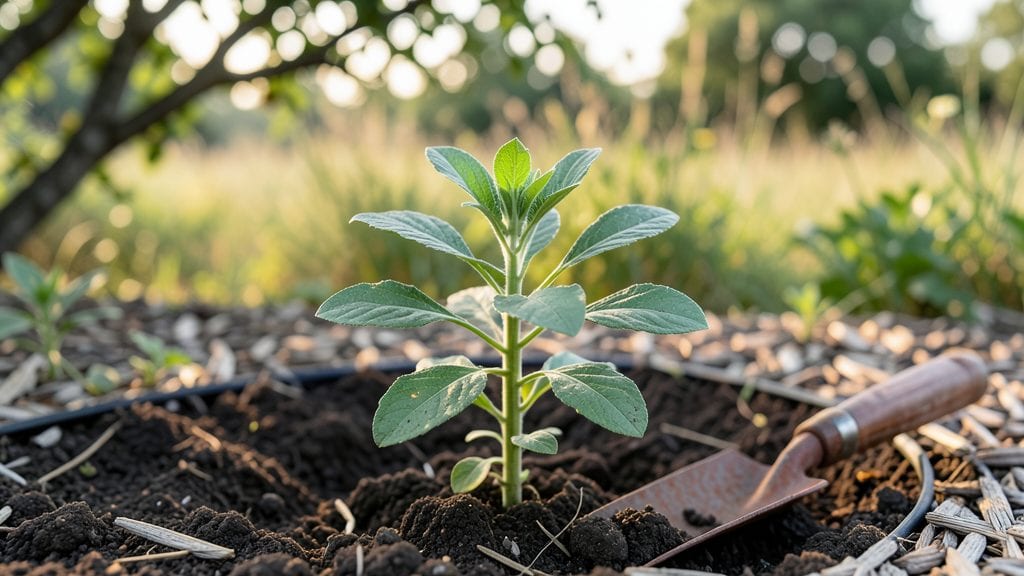
Mastering marigold seedling identification by their foliage patterns saves you from transplanting the wrong varieties into your garden beds. 🌱 I’ve spent years watching seedlings transform from tiny sprouts into full plants, and those first leaves hold all the clues you need to tell French marigolds from African marigolds—or even spot common look-alikes like feverfew.
The key is leaf shape and color: French marigolds start with deeply lobed, fern-like leaves in a rich green, while African marigolds show broader, rounded leaves with a slightly waxy texture.
Look for hairy stems on African types—this is a dead giveaway. Even the spacing between leaves matters: French varieties grow more compactly right from the start.
Mistaking them for weeds or other plants leads to wasted space and disappointed blooms later. But once you recognize these patterns, you’ll spot healthy seedlings instantly—no more guessing games before planting. The payoff? A garden filled with the exact marigolds you love, not random surprises.
This works for both direct-sown seedlings and nursery starts, so you can apply it whether you’re starting from seed or buying transplants. Let’s break down the visual cues step by step.
Misidentifying Seedling Traits
Correctly identifying marigold seedlings hinges on understanding the genetic and environmental factors that influence their early growth patterns. When seedlings fail to display expected traits—like leaf shape, color, or growth speed—it’s often due to one of these key causes. Here’s why misidentification happens and how to spot the signs.
Marigolds (especially hybrids like Tagetes erecta or Tagetes patula) can exhibit unpredictable foliage traits in seedlings because:
- Hybrid vigor: Crossbreeding two parent plants (e.g., a French marigold with an African marigold) produces offspring with mixed traits. A seedling might inherit the serrated edges of one parent but the deep green hue of another, making it look like a different variety.
- Incomplete dominance: Some traits (like leaf texture or stem thickness) don’t show up clearly until the plant matures. For example, a Tagetes tenuisecta (signet marigold) seedling might start with lobed leaves but later develop the classic feather-like divisions.
- True-breeding vs. hybrid seeds: Heirloom or "true-breeding" seeds (like those from Tagetes lucida) will consistently produce predictable seedlings. But hybrid seeds (often labeled "F1") can skip a generation, causing a seedling to resemble neither parent until flowering.
Actionable tip: 🔍 Wait until seedlings have 3–4 true leaves (not cotyledons—the first two seed leaves) before comparing them to mature plant databases. Use a magnifying glass to check leaf venation patterns, which are more stable early on.
Seedlings don’t grow in a lab—they’re sensitive to their surroundings. If your marigold seedlings look "off," these conditions might be to blame:
| Factor | Effect on Seedlings | How to Fix It |
|---|---|---|
| 🌡️ Temperature swings | Cold stress (<60°F/15°C) causes purpling or stunted growth, while heat (>90°F/32°C) leads to yellowing or curled leaves. | Use a heat mat (70–75°F/21–24°C) for germination and shade cloth afterward. |
| ☀️ Light intensity | Too little light = long, leggy stems (etiolation). Too much direct sun = scorched or bleached leaves. | Provide 12–16 hours of bright, indirect light (grow lights work well). |
| 💧 Moisture imbalance | Overwatering = mushy stems or fungal spots. Underwatering = crispy edges or slow growth. | Keep soil consistently moist but not soggy (use a moisture meter if needed). |
| 🌿 Soil pH/nutrients | pH <4.5 or >7.5 = chlorosis (yellowing between veins). Nitrogen deficiency = pale, small leaves. | Test soil pH (ideal: 6.0–7.0) and amend with compost or balanced fertilizer (10-10-10). |
Pro tip: ✨ Take photos of seedlings weekly to track changes. Sudden shifts in leaf shape or color often signal an environmental fix is needed.
Not every odd-looking marigold seedling is a rare variety—sometimes, it’s a pathogen or pest throwing off its appearance. Common culprits:
- Powdery mildew: Causes white, powdery patches on leaves, making them look fuzzy (not the smooth texture of a Tagetes signata seedling).
- Aphids or spider mites: Their feeding leaves stippled or distorted leaves, which can be mistaken for variegated or curled varieties.
- Fungal leaf spots: Dark, irregular spots (from Alternaria or Septoria) can make seedlings resemble diseased plants rather than a unique cultivar.
- Viral infections (e.g., cucumber mosaic virus): Causes mosaic patterns or stunting, which might be confused for a hybrid trait.
Quick check: 🔥 Inspect the undersides of leaves and stems for pests. If you see webbing, honeydew, or black sooty mold, treat with neem oil or insecticidal soap before assuming it’s a new variety.
Even the most experienced growers misidentify seedlings because of:
- Mislabelled seeds: Seeds from unreliable sources (or mixed batches) may not match the packet description. For example, a bag labeled "French Marigold" might contain Tagetes minuta (a wild, strongly scented species).
- Cross-pollination: If you’re growing multiple marigold types nearby, wind or insects can transfer pollen, creating "false" seedlings that don’t match either parent.
- Confusing cotyledons with true leaves: The first two leaves (cotyledons) look nothing like mature foliage. A Tagetes erecta seedling’s cotyledons might resemble a Tagetes patula’s true leaves at first glance!
Solution: 🎯 Buy seeds from reputable suppliers (e.g., Baker Creek, Johnny’s Selected Seeds) and isolate seedlings by variety during germination to prevent cross-pollination.
Quick Fixes for Seedling Confusion
When marigold seedlings look more mysterious than majestic, don’t panic—there’s a solution for every puzzle! Below, we’ll tackle the most common identification mix-ups and provide practical, step-by-step fixes to get your seedlings thriving with confidence. Plus, we’ll share prevention tips to keep future batches crystal clear.
1. Wrong Leaf Shape?
Compare & Correct Cause: Young marigold seedlings can resemble other plants (like dandelions or weeds) if you’re not familiar with their true foliage patterns. Fix: - 📏 Step 1: Measure & Observe Use a magnifying glass to inspect leaf edges. True marigold seedlings have: - Fern-like, deeply lobed leaves (especially in French marigolds). - Serrated or jagged edges (not smooth like basil or round like sunflowers). - A slightly fuzzy texture (common in African marigolds).
- 📸 Step 2: Snap & Compare Take a photo of your seedlings and cross-reference with variety-specific guides (e.g., Burpee’s Marigold Seedling ID). Look for:
- Color cues: Deep green with yellowish veins? Likely a French marigold.
- Growth speed: Slow starters? Could be a hybrid like ‘Janie’ or ‘Crackerjack.’
💡 Prevention Tip: Label trays by variety and planting date to avoid guessing games later. Use toothpicks + masking tape for DIY labels!
2. Leggy or Stretched Seedlings? Adjust Light Immediately
Cause: Seedlings reaching for the sky? Overcrowding or weak light triggers elongated stems (a red flag for weak identification). Fix: - ☀️ Step 1: Move to a Sunny Spot Place seedlings under grow lights (12–16 hrs/day) or a south-facing window.
If outdoors, use a shade cloth (30–50%) to harden them gradually.
- 🌱 Step 2: Thin or Transplant If seedlings are touching each other, separate them into individual pots (3–4 inches deep). Use sterilized soil to prevent damping-off.
⏰ Pro Tip: Rotate trays quarter-turn daily to prevent leaning. A DIY rotating tray (wooden plank + wheels) works great!
3. Yellowing or Wilting? Diagnose the Issue Fast
Cause: Seedlings turning yellow or droopy? Could be overwatering, underwatering, or disease (like damping-off). Fix:
- 💧 Step 1: Check the Soil
- Too wet? Let soil dry 1 inch below the surface before watering.
Use a moisture meter if unsure. - Too dry? Water slowly at the base (avoid overhead spraying to prevent fungal growth).
- 🌡️ Step 2: Treat Fungal Issues If stems look mushy or black at the base:
- 🔥 Spray with hydrogen peroxide (3%) (1 part peroxide to 4 parts water).
- 🌿 Replant in fresh, sterile potting mix (add perlite for drainage).
🎯 Prevention Tip:
- Sterilize tools with rubbing alcohol before handling seedlings.
- Avoid cold drafts (keep temps 65–75°F for germination).
4. Mixed-Up Varieties? Sort Them Now
Cause: Did you plant French, African, or Signet marigolds together? Seedlings can blur into one another if not monitored. Fix:
- 🔎 Step 3: Dig Deep (Literally) Gently unpot seedlings and check:
- Root color: Healthy roots are white or light tan.
Brown/mushy roots = rot. - Leaf arrangement: French marigolds have alternating leaves; African types grow in whorls.
- 📦 Step 4: Reorganize by Type Group seedlings by variety in separate trays and label clearly. If space is tight, mark pots with colored dots (e.g., red for French, blue for African).
✨ Bonus Tip: Use egg cartons for temporary sorting—they’re cheap and easy to label!
To avoid future identification headaches:
- 🌱 Start with certified seeds (brands like Park Seed or Botanical Interests offer variety-specific packs).
- 🕵️ Use a seedling journal (track growth stages, light changes, and pests).
- 🌿 Harden off gradually (acclimate seedlings to outdoor temps over 7–10 days before transplanting).
Remember: Even veteran gardeners mix up seedlings—the key is acting fast. With these fixes, your marigolds will go from "Huh?" to "Hallelujah!" in no time. 🌼💚
Frequently asked questions
How can I tell if my marigold seedlings are healthy?
Healthy marigold seedlings have deep green, lobed leaves with no yellowing or browning. Their stems should be sturdy, not mushy or black at the base. Look for strong roots (white or light tan) when you gently remove them from soil. If leaves appear fuzzy or have powdery patches, it may indicate powdery mildew.
Why do my marigold seedlings look different from the seed packet?
Seed packets often show mature plants, not seedlings. The first two leaves (cotyledons) won’t resemble the adult foliage. Wait until seedlings develop 3-4 true leaves to compare with variety descriptions. Hybrid seeds may also produce mixed traits, making identification tricky until flowering.
What's the difference between French and African marigold seedlings?
French marigolds start with deeply lobed, fern-like leaves and grow more compactly. African marigolds have broader, rounded leaves with a slightly waxy texture and often show hairy stems. French varieties tend to be smaller overall, while African types grow taller with thicker stems.
Can I transplant seedlings before they're fully identified?
Yes, but wait until seedlings have 4-6 true leaves and are at least 2-3 inches tall. If you're unsure about varieties, group them by similar traits and label carefully. Remember that marigolds are hardy and will often reveal their true identity through flower color when they bloom.
What should I do if my seedlings look like weeds?
First, check for lobed leaves with serrated edges—this is a key marigold trait. If you're still unsure, compare with photos of common garden weeds like dandelions (smooth leaves) or lamb's quarters (broad, triangular leaves). True marigold seedlings will never have smooth, round leaves like many weeds.