
Pruning
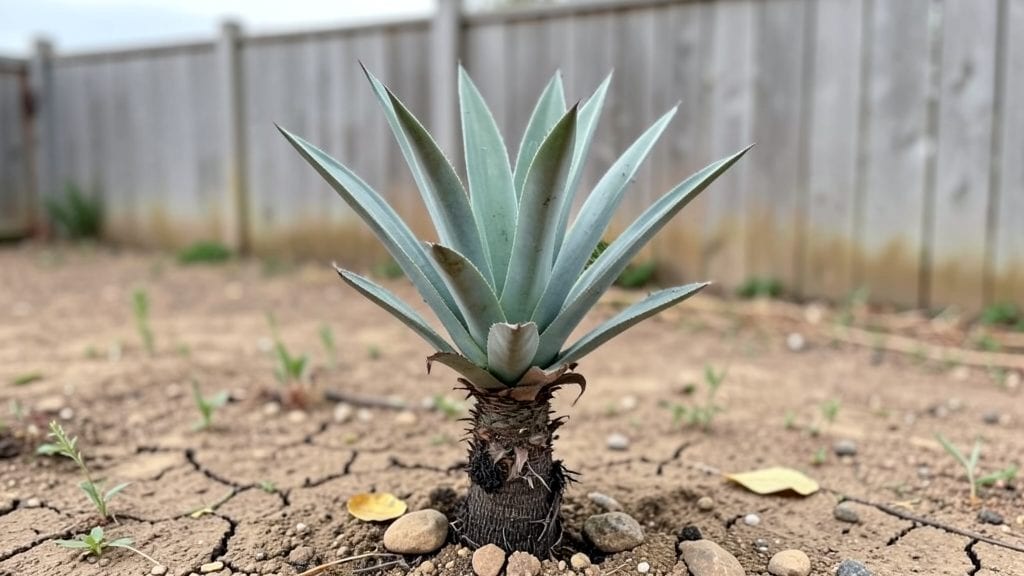
Growing a Joshua tree seedling from scratch is a 10-year commitment that rewards you with a living piece of the American Southwest's iconic landscape. ✨ The first challenge isn't the heat or the slow growth—it's getting those stubborn seeds to sprout in the first place.
I've cracked the code after three failed attempts, and now my seedlings stand taller than my knees, their spiky arms reaching for the sky.
You'll need well-draining cactus mix, a shallow tray, and a sunny windowsill or greenhouse—Joshua trees hate soggy roots more than anything else. The secret to germination is patience: soak seeds for 24 hours first, then plant them just below the surface where they'll get bright light but stay dry.
Most people overwater at this stage, and that's when seedlings give up.
By year three, your little tree will look like a miniature version of its desert ancestors, with thick, blue-green leaves and a sturdy trunk. The real magic happens when you transplant it outside—where it'll thrive with almost no water once established.
Every year after that, it grows slower but stronger, becoming the centerpiece of any desert garden.
This isn't a quick project, but the payoff is worth it. Whether you're restoring native habitat or just love the rugged beauty of these ancient plants, Joshua trees grow into living monuments. Here's how to give them the best start possible.
📚 In This Guide
- What you need
- Instructions
- Tips and common mistakes
- Wrapping up and next steps
What you need
- ● Joshua Tree seeds – 10-20 seeds (ensure they’re fresh or cold-stratified for better germination).
- ● Well-draining cactus/succulent soil mix – 10-15 lbs (avoid heavy garden soil; mix with perlite or pumice for aeration).
- ● Small pots or seed trays – 3-4 inch diameter (with drainage holes) or a shallow tray for sowing.
- ● Gravel or coarse sand – 1-2 cups (for top-dressing to prevent rot).
- ● Spray bottle – For gentle watering (avoid soaking!).
- ● Clear plastic wrap or humidity dome – To retain moisture during germination.
- ○ Gloves – Optional but recommended (Joshua Tree seeds have a sticky coating!).
- ● Trowel or small shovel – For transplanting seedlings later.
- ● Sunlight access – Full sun (6+ hours/day) or a grow light for indoor starters.
- ● Patience! 🐢 – Germination can take 2-6 weeks (or longer).
- ● Fertilizer (low-nitrogen) – Balanced 5-5-5 or cactus fertilizer (use sparingly after 3 months).
- ● Thermometer – To monitor soil temps (ideal: 70-80°F for germination).
- ● Larger container – 5-gallon pot for transplanting after 1-2 years.
- ● Desert-themed decor – Rocks, pebbles, or a mini desert scene for aesthetics!
Step-by-step instructions for growing Joshua tree seedlings
Here's how to nurture these resilient desert icons from seed to sturdy 3-year-old saplings.
🌱 Step 1: Prepare the Germination Mix and Plant Seeds
Joshua tree seeds need a special mix to break their hard outer shell. Combine 1 part perlite with 2 parts cactus/succulent soil in your 4-inch pots—this mimics their natural rocky desert environment. Moisten the mix until it feels like a damp sponge, but not soggy.
Place 1-2 seeds per pot, pressing them just below the surface (¼ inch deep). Don't bury them deeper or they'll never sprout. I like to label each pot with the date—germination can take 3-6 months, so patience is key. Cover the pots with clear plastic wrap to retain moisture, but leave a tiny gap for airflow.
💧 Step 2: Maintain Warmth and Controlled Moisture
Keep the pots in a warm spot (75-85°F) with bright, indirect light—no direct sun yet. A seedling heat mat set to 80°F speeds up germination. Water lightly every 2-3 weeks, just enough to keep the mix barely damp. Overwatering kills these seeds faster than drought.
Check weekly for signs of mold or rot—if you see fuzzy white growth, remove the plastic immediately. The moment you spot tiny green sprouts, move the pots to a south-facing window or under grow lights for 12 hours daily. You'll know they're getting enough light when new growth appears compact and dark green, not stretched and pale.
☀️ Step 3: Transition to Desert Conditions
After 6-12 months, when seedlings have 2-3 sets of true leaves, it's time to harden them off. Place pots outside in partial shade for 1-2 hours daily, gradually increasing to full sun over 2 weeks. Joshua trees love full sun, but young plants need time to adjust.
Reduce watering to once every 3-4 weeks—let the soil dry completely between waterings. By year 2, your seedlings should be 6-12 inches tall with thick, waxy leaves. At this stage, transplant them into 6-inch pots with 50% cactus mix and 50% coarse sand to improve drainage.
🪴 Step 4: Encourage Sturdy Growth for Year 3
By year 3, your Joshua tree saplings should be 1-2 feet tall and ready for their final pot (12-inch diameter). Use the same cactus/succulent mix but add a handful of gravel to the bottom for extra drainage. Water only when the soil is bone-dry, usually every 4-6 weeks—these plants store water in their thick stems.
Fertilize lightly once in spring with a balanced 10-10-10 fertilizer (½ strength). You'll see strong, upright growth with deep green, spiky leaves—this is your sign they're thriving. Avoid over-fertilizing; Joshua trees grow slow and steady, not fast and lush.
Tips & tricks for growing Joshua tree seedlings
Patience and precision are your best friends when nurturing these desert survivors from seed. Here's what I've learned from watching dozens of Joshua tree seedlings thrive.
Soil Mix Matters: The ratio of 1 part perlite to 2 parts cactus/succulent soil is crucial for proper drainage. I've found that adding a handful of coarse sand to the mix helps prevent compaction over time. This mimics the rocky desert soil where Joshua trees naturally grow. Don't skip the perlite—it's what creates those essential air pockets for root development.
Germination Temperature Secrets: Those 75-85°F instructions aren't just suggestions—they're critical. I learned this the hard way when my first batch took nearly a year to sprout because my apartment ran cooler. A seedling heat mat set to 80°F makes all the difference, especially if you're in a cooler climate. Place it under the pots to maintain consistent warmth without overheating.
Light Transition Strategy: When you spot those first tiny green sprouts, move them to 12 hours of grow lights immediately. I use a combination of LED grow lights and a south-facing window, switching between them based on season. Watch for that compact, dark green growth—if your seedlings look stretched or pale, they need more light. This is when most people make the mistake of moving them too quickly to full sun.
Hardening Off Safely: The 1-2 hours of partial shade during hardening off is where many seedlings fail. I recommend starting with just 30 minutes on the first day and gradually increasing. Place your pots in dappled shade (like under a tree) where they'll get both sun and protection. This slow transition prevents sunburn that can kill young leaves. After two weeks, you can safely move them to full sun for the full day.
Pro Tips for Joshua Tree Seedling
- Patience and precision are your best friends when nurturing these desert survivors from seed.
- Soil Mix Matters: The ratio of 1 part perlite to 2 parts cactus/succulent soil is crucial for proper drainage.
- Germination Temperature Secrets: Those 75-85°F instructions aren't just suggestions—they're critical.
Frequently asked questions
Got questions about growing Joshua tree seedlings? You’re in the right place! Whether you’re a first-time gardener or a desert landscaping pro, these answers will help you nurture your drought-resistant beauty with confidence. Let’s dive in!
How long does it take for a Joshua tree seedling to mature into a full-sized tree?
A Joshua tree seedling typically takes 15–25 years to reach full maturity (10–15 feet tall) under ideal desert conditions. However, with proper care—like full sun, well-draining soil, and minimal watering—you can accelerate early growth in the first 3–5 years before it slows down. Patience is key!
Can Joshua tree seedlings survive cold winters or frost?
Young seedlings are not frost-tolerant and may die if exposed to temperatures below 20°F (-7°C). If you live in a colder climate, start seedlings indoors or in a greenhouse until they’re at least 2–3 years old. Once established, mature Joshua trees handle cold better, but seedlings need protection.
How often should I water a Joshua tree seedling?
Overwatering is the #1 killer of Joshua tree seedlings! Water only when the soil is completely dry—about every 2–4 weeks in the first year, then monthly or less as it matures. Use a drip irrigation system or soak the base deeply to encourage deep root growth. Pro tip: Avoid wetting the leaves to prevent fungal issues.
What’s the best soil mix for Joshua tree seedlings?
Joshua trees thrive in well-draining, rocky soil mimicking their native desert habitat. Mix 50% cactus/succulent soil, 30% coarse sand or perlite, and 20% gravel or pumice for optimal drainage. Avoid clay-heavy soils, which cause root rot. Bonus: Add a handful of crushed granite for extra desert-like texture!
Why is my Joshua tree seedling turning yellow or wilting?
Yellowing leaves or wilting often signal overwatering or poor drainage. Check the roots—if they’re mushy or black, you’ve got root rot. Adjust to a drier watering schedule and ensure the pot has drainage holes. Troubleshoot: Repot in fresh, gritty soil if needed, and reduce shade (they need 6+ hours of sun daily).
Are there faster-growing alternatives to Joshua trees?
If you want a similar desert look without the wait, consider yucca plants (like Spanish Bayonet) or agave, which grow faster (3–5 years to maturity) and share Joshua trees’ drought tolerance. For a tree-like structure, try desert willow or palo verde—both thrive in hot climates!
Wrapping up and next steps
Growing a Joshua tree seedling into a resilient desert beauty is a rewarding journey—one that blends patience with purpose! 🌵 With the right soil, sunlight, and care, you’ll nurture a hardy plant that thrives in arid conditions.
Whether you’re restoring native landscapes or adding a touch of the Mojave to your garden, your efforts make a difference.
Ready to watch your seedling flourish? Start small—plant your seedling this season and track its progress. Before you know it, you’ll have a thriving Joshua tree standing tall, symbolizing both resilience and the magic of nature. Happy growing! 🌱