How To
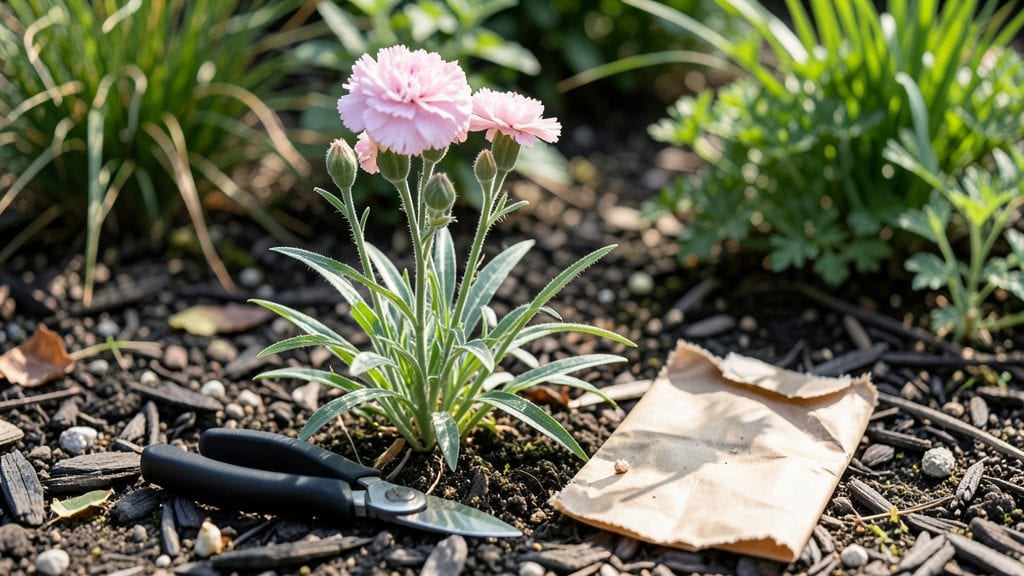
Harvesting carnation seeds 🌸 saves you money and ensures next year’s blooms start with the best genetics—but timing is everything.
Want to save money and grow your own carnations year after year? Harvesting carnation seeds is easier than you think—but timing and technique make all the difference.
Most gardeners miss the window because they don’t know when those dry, brown seed pods are ready to pick. Harvest too early, and the seeds won’t sprout; wait too long, and they scatter before you can collect them.
In this guide, I’ll walk you through the exact steps to spot ripe seeds, collect them without damaging your plants, and store them so they stay viable for planting in spring.
When to harvest carnation seeds: the perfect timing for seed collection
Harvesting carnation seeds at the right time ensures you collect viable seeds for next year’s garden. Carnations follow a predictable flowering cycle, and missing the window means wasted effort. The key is watching for seed pod maturity, which signals the perfect moment to act.
After carnation flowers fade and wilt, small green seed pods form in their place. These pods undergo a color transformation from green to brown—a clear sign they’re nearing maturity. Rushing the process risks harvesting underdeveloped seeds that won’t germinate, while waiting too long may mean seeds scatter naturally.
Timing your harvest depends on your climate zone and carnation variety. In USDA Zone 6a, seed pods typically mature between October and November, aligning with the plant’s natural lifecycle. Cooler temperatures slow seed development, so monitor pods closely during fall.
Look for brittle stems and pods that split open naturally. When you gently press a pod, it should crumble easily, releasing dark, plump seeds inside. These are your cues that the seeds are fully mature and ready for collection.
If you miss the window, don’t worry—carnations often self-seed, scattering viable seeds into the soil. However, harvesting at peak maturity gives you control over seed quality and ensures you can store them properly for future planting.
🌾
| Stage | Visual Cues | Action | Timeframe |
|---|---|---|---|
| Pollination | Flowers open fully, attracting pollinators | Allow pollinators to visit; avoid disturbing | Spring to early summer |
| Seed Pod Formation | Green pods form behind wilted flowers | Monitor pods for color changes | Late summer |
| Maturation | Pods turn brown and dry; stems brittle | Harvest pods before they split | October–November (Zone 6a) |
| Overripe | Pods split open; seeds scatter | Collect any remaining seeds from soil | Late fall |
Harvesting too early is a common mistake. If you pick pods that are still green or firm, the seeds inside will likely be immature and non-viable. Always wait until pods are fully brown and dry—this ensures the highest germination rates when you plant them next year.
For hybrid carnations, seed viability may vary. While some hybrids produce true-to-type seeds, others may revert to wild traits. If you’re growing heirloom varieties, harvested seeds are more likely to reproduce identical blooms, making the effort worthwhile.
Pro tip: Use a paper bag to collect pods directly from the plant. This prevents seeds from scattering and makes drying easier. Place the bag in a cool, dry location for 1–2 weeks to fully dry the pods before processing.
🌸
Once pods are completely dry, gently crush them to release the seeds. Store them in an airtight container in a dark, cool place (like your fridge) for up to 2 years. Proper storage keeps seeds viable and ready for your next planting season.
Step-by-step guide to collecting carnation seeds without damaging plants
Harvesting carnation seeds is a rewarding way to propagate your favorite varieties without spending money on new plants. The key is to collect seeds at the right stage while minimizing stress on your mature carnation plants.
If done carefully, you’ll preserve seed viability and keep your garden thriving for years. Let’s dive into the proper techniques to ensure a successful harvest.
Before you begin, gather a few essential tools for harvesting: a pair of clean, sharp pruning shears, a paper bag or envelope for seed collection, and a drying tray lined with parchment paper.
Avoid using plastic bags, as they trap moisture and can cause mold. Work on a dry, sunny day to reduce the risk of seed contamination or fungal growth.
Timing is everything when harvesting carnation seed pods. Wait until the seed pods turn from green to brown and feel dry and brittle to the touch.
If the pods are still green or firm, the seeds inside won’t be fully mature. Premature harvesting leads to low germination rates, so patience is key.
How to Harvest Carnation Seeds
- Step 1: Identify mature seed pods—look for pods that are fully brown and dry. Gently squeeze a pod; if it feels brittle and opens easily, it’s ready.
- Step 2: Use clean pruning shears to snip the seed pods from the stem, leaving a small portion of the stem attached. This prevents damage to the plant.
- Step 3: Place the harvested pods in a paper bag or envelope. Label it with the carnation variety and the harvest date for future reference.
- Step 4: Let the pods dry in a warm, dry location for 1-2 weeks. Avoid direct sunlight, which can overheat the seeds.
- Step 5: Once the pods are completely dry, gently crush them to release the seeds. Store the seeds in a paper envelope or airtight container in a cool, dark place.
After harvesting, focus on proper seed storage to maintain viability. Store seeds in a paper envelope or small container with a desiccant packet to absorb excess moisture.
Keep them in a cool, dark place, like a seed vault or refrigerator, where they can stay viable for up to 2-3 years. Avoid plastic containers, as they trap moisture and reduce seed lifespan.
If you notice any mold or pests during the drying process, discard the affected seeds immediately. Contaminated seeds won’t germinate and could spread to your other plants.
Always work in a clean, dry environment to prevent issues. With these steps, you’ll have healthy, viable carnation seeds ready for next year’s garden!
Now that you’ve mastered the harvest, you’re one step closer to growing your own carnation blooms season after season. Happy gardening! 🌸