Blooming
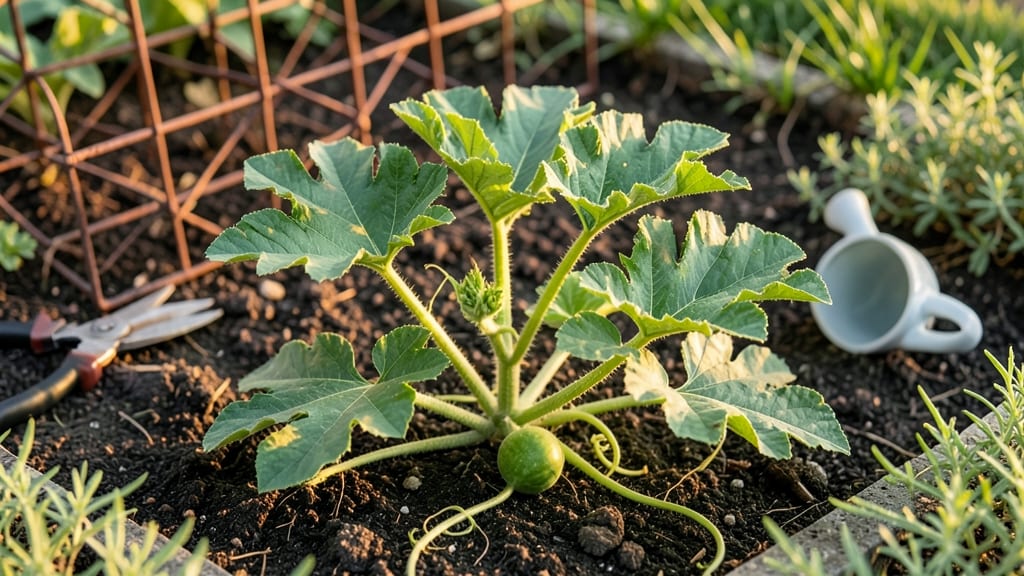
Watermelon seeds to sprout takes 5 to 10 days under ideal conditions—warm soil (70–90°F), consistent moisture, and direct sunlight—but may take 14 days or longer in cooler or drier environments. Germination speed depends on seed freshness, planting depth (½ inch), and soil quality.
Understanding the timeline for watermelon seed sprouting helps gardeners plan their planting schedule more effectively. 🌱 The key factors—like soil warmth and moisture—create the perfect environment for those tiny seeds to break through the surface.
For example, seeds planted in spring when soil temperatures are just right often sprout faster than those planted in fall when cooler weather slows things down. Fresh seeds from a store-bought watermelon usually germinate quicker than older ones stored for months, so always check their viability before planting.
If you're growing watermelons in a controlled environment like a greenhouse, you can actually speed up the process by using seedling heat mats or maintaining consistent soil temperatures. This is especially useful in cooler climates where natural soil warmth might be lacking.
Just remember, even with perfect conditions, some seeds may take a little longer to sprout—patience is key when you're waiting for those first green shoots to appear!
💡 In This Article
- Factors Affecting Watermelon Seed Germination Speed
- Pro Tips for Faster Watermelon Seed Sprouting
Factors affecting watermelon seed germination speed
Watermelon seeds rely on a precise balance of environmental triggers to activate their internal enzymes, which break down stored nutrients and kickstart growth. The most critical factor is soil temperature—watermelon seeds need warmth between 70°F and 90°F to germinate efficiently.
Below 60°F, enzymatic activity slows dramatically, delaying sprouting by 2-3 weeks or more. This is because the enzymes responsible for mobilizing seed reserves (like amylase) become less active in cooler conditions, forcing the seed to conserve energy until temperatures rise.
The moisture requirement is equally precise: seeds need consistent dampness but not saturation. Too little water (30% soil moisture) prevents enzymatic activation, while too much (70%+ moisture) can suffocate the seed by blocking oxygen.
The ideal range is 40-60% moisture, where water activates the seed's metabolic processes without creating anaerobic conditions. This is why planting in well-draining sandy loam soil (pH 6.0-7.0) works best—it maintains that delicate balance while allowing excess water to drain away.
Seed viability plays a surprising role too. Fresh watermelon seeds (harvested within 1-2 weeks) have a 90%+ germination rate and typically sprout within 5-7 days under ideal conditions. In contrast, seeds stored for 6+ months lose viability, with germination rates dropping to 50-70%.
The reason? Over time, seed oils oxidize and proteins denature, reducing the energy reserves needed for sprouting. Even with perfect soil conditions, older seeds may take 14+ days to germinate—or fail entirely.
Planting depth matters more than most gardeners realize. Watermelon seeds should be buried no deeper than ½ inch—any deeper, and they struggle to reach light, which triggers the final germination phase.
Light exposure stimulates the production of phytochrome, a pigment that signals the seedling to break through the soil. Too much depth (over 1 inch) can delay emergence by 5-10 days, while shallow planting (¼ inch) risks exposing seeds to drying winds or temperature fluctuations.
Soil pH also influences germination speed, though its effect is subtler. Watermelon seeds prefer slightly acidic to neutral soil (pH 6.0-7.0). Below 5.5, aluminum toxicity can inhibit root growth, while above 7.5, nutrient deficiencies slow enzymatic activity.
For example, in alkaline soils (pH 8.0+3-5 extra days because the seed must work harder to absorb essential minerals like phosphorus and calcium, which are less available in high-pH environments.
Here's what's actually happening at the cellular level: When a watermelon seed absorbs water, it swells and activates radicle emergence—the first stage of root growth. Within 24-48 hours, enzymes like α-amylase break down starches into sugars, fueling the seedling's energy needs.
If soil temperatures dip below 65°F, this process stalls, and the seed enters a dormant state until conditions improve. This is why gardeners in cooler climates often use heat mats (80-85°F) to jumpstart germination in early spring.