
Lawn
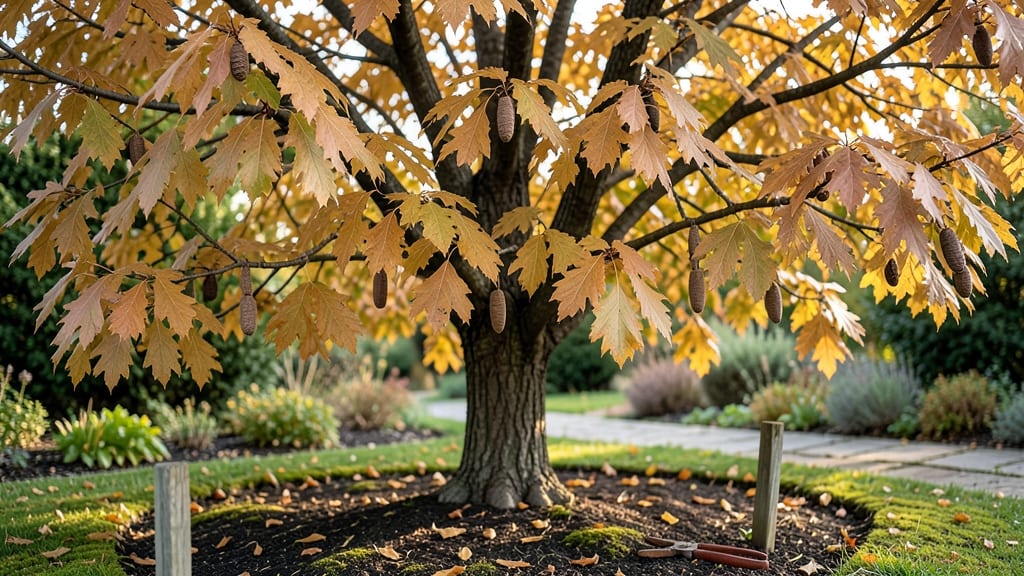
Growing hickory trees from seed pods starts with a simple secret: cold stratification—the same trick that helps acorns sprout. 🌱 I’ve cracked the code on how to break through that stubborn shell and get reliable sprouts, even when nature seems determined to keep them dormant.
The key isn’t just patience—it’s mimicking the slow winter chill that nature uses to wake them up.
You’ll need just three things: fresh seed pods (collected in fall), a damp paper towel or peat moss, and a refrigerator. No fancy equipment—just a little time and the right conditions.
The process takes about 90 days, but it’s worth it for the satisfaction of watching those first green shoots push through the soil. Most people skip this step and wonder why their seeds never sprout.
Once you’ve stratified the seeds, planting is straightforward: well-draining soil, partial shade, and consistent moisture. Within 4-6 weeks, you’ll see tiny seedlings that’ll grow into strong, shade-loving trees.
The real payoff? A mature hickory tree that provides nuts, shade, and wildlife habitat for decades. It’s a long game, but one worth playing.
This method works for all hickory varieties, from the common pignut to the prized shagbark. Whether you’re restoring a forest edge or just want a unique tree for your yard, these steps will give you the best start. Let’s get those seeds sprouting!
📚 In This Guide
- What you need
- Instructions
- Tips and common mistakes
- Wrapping up and next steps
What you need
- ● Fresh hickory seed pods: Collect 10–20 mature, intact pods (preferably from late fall/winter). Ensure they’re not cracked or moldy.
- ● Cold stratification setup: 1–2 breathable containers (e.g., paper towels, dampened peat moss, or coconut coir) to hold seeds.
- ● Plastic bag or airtight container with a small ventilation hole (e.g., poke 2–3 holes with a nail).
- ● Refrigeration: Access to a fridge set to 34–40°F (1–4°C) for 60–90 days.
- ● Planting pots: 4–6 small (3–4 inch diameter) pots with drainage holes, filled with well-draining potting mix (e.g., 60% peat/coco coir + 40% perlite/sand).
- ● Watering can or spray bottle: For gentle moisture control.
- ● Basic tools: Pruning shears or sharp knife (to harvest pods).
- ● Measuring cup/spoon (for soil mix ratios).
- ● Pencil or toothpick (to poke ventilation holes).
- ○ Optional (but helpful) tools: Seed tray with clear lid (for monitoring germination).
- ● Humidity dome or plastic wrap (to retain moisture during sprouting).
- ● Grow lights (if starting indoors before last frost).
- ● pH testing kit (ideal soil pH: 6.0–7.0).
- ● Prerequisites: Patience! Cold stratification takes 2–3 months before planting.
- ● Outdoor space (or a sunny windowsill) for seedlings after stratification.
Step-by-Step instructions for growing hickory seed pods
Cold stratification is the key to breaking dormancy—here's how to coax those stubborn hickory seeds into life.
🌱 Step 1: Harvest and Prepare the Seed Pods
Collect fully mature hickory seed pods in late fall or early winter when they've turned brown and opened slightly. The nuts inside should feel firm and dry. I crack open each pod by hand, removing the nuts carefully—don't crush them, as the shell protects the seed.
Separate the nuts from any remaining husk material, then soak them in lukewarm water for 24 hours. This softens the outer shell slightly and helps prevent mold later. After soaking, let them dry completely on a paper towel for 2-3 days in a warm, dry place. You'll know they're ready when the shells feel light and the seeds rattle inside.
❄️ Step 2: Cold Stratify for Dormancy Break
Place the dried nuts in a resealable plastic bag with a small amount of damp (not wet) sphagnum moss. The moss should feel like a wrung-out sponge—moist but not dripping. Seal the bag tightly and store it in your refrigerator's crisper drawer for 90-120 days.
Check the bag monthly to ensure the moss stays damp. If it dries out, add a few drops of water and reseal. This cold, moist environment mimics winter conditions, tricking the seed into thinking spring has arrived. I mark the start date on the bag so I don't forget—hickory seeds won't germinate without this step.
☀️ Step 3: Plant After Stratification
After the cold period, remove the seeds from the refrigerator and plant them ½ inch deep in a well-draining seed-starting mix in small pots or a seed tray. Use a pencil to make holes just deep enough to cover the seeds lightly—don't bury them too deep, or they'll struggle to emerge.
Place the pots in a warm, sunny spot with 65-75°F soil temperatures. A seedling heat mat helps if your home runs cooler. Water gently from below by placing the tray in ½ inch of water for 10 minutes, then draining excess. This prevents soil from becoming waterlogged, which causes rot.
🌿 Step 4: Monitor for Germination and Early Growth
Germination can take 4-12 weeks, so patience is key. Keep the soil consistently moist but never soggy—stick your finger 1 inch deep; if it feels dry, water lightly. Once the first true leaves appear (not the initial seed leaves), move the seedlings to a sunny windowsill or under grow lights for 14-16 hours daily.
Thin seedlings if more than one sprout per pot, keeping only the strongest. You'll know which to keep by their vibrant green color and sturdy stems. Transplant to individual 3-inch pots once they've developed 2-3 sets of true leaves, which usually takes about 3 months.
⏰ Step 5: Harden Off Before Outdoor Planting
When seedlings are 6-12 inches tall and soil temperatures stay above 60°F at night, it's time to harden them off. Start by placing them outside in a shaded, sheltered spot for 1-2 hours the first day. Gradually increase exposure over 10-14 days, ending with full sun.
Plant outdoors in well-drained soil in late spring or early summer, spacing seedlings 10-15 feet apart to allow for mature tree size. Water deeply after planting to settle the soil, then maintain consistent moisture during the first growing season. Hickory trees grow slowly, so give them time—they'll reward you with edible nuts in 10-20 years.
Tips & tricks for perfect hickory seed pod germination
Cold stratification might sound tricky, but these simple tricks will help you coax those stubborn hickory seeds into sprouting reliably.
The Soak Secret: When you soak your hickory nuts for the required 24 hours in Step 1, use lukewarm water that feels comfortable to your wrist—not hot, which can damage the seed, and not cold, which won't soften the shell. After soaking, I spread them on a paper towel in a single layer so they dry evenly. If any nuts feel heavy after drying, they might still be damp inside—let them air dry another day. The shells should feel light enough to rattle when shaken gently.
Stratification Strategy: For Step 2's 90-120 day cold treatment, I place my bag in the crisper drawer with a small dish of water nearby. This keeps the moss consistently damp without overwatering. Pro tip: Use a permanent marker to write the start date directly on the bag—hickory seeds need this precise cold period to break dormancy, and missing it means no sprouts. If you forget, don't panic—just extend the cold treatment by another month.
Planting Precision: In Step 3, when planting your stratified seeds ½ inch deep, use a pencil to make the holes—it gives you perfect consistency without crushing the seed. I like to plant 2-3 seeds per pot since germination rates can be unpredictable. After planting, place your pots in a warm spot with 65-75°F soil temperatures. If your home runs cooler, a seedling heat mat set to 75°F makes all the difference—hickory seeds need warmth to germinate.
Germination Patience: Remember those 4-12 weeks of waiting in Step 4? That's normal! Hickory seeds are slow starters. I check moisture by sticking my finger 1 inch deep—if it feels dry at the first knuckle, that's your watering cue. Once sprouts appear, resist the urge to move them immediately. Let them establish for a week before transplanting to their 3-inch pots with 2-3 sets of true leaves.
Pro Tips for Hickory Seed Pods
- Cold stratification might sound tricky, but these simple tricks will help you coax those stubborn hickory seeds into sprouting reliably.
- After soaking, I spread them on a paper towel in a single layer so they dry evenly.
- Stratification Strategy: For Step 2's 90-120 day cold treatment, I place my bag in the crisper drawer with a small dish of water nearby.
Frequently asked questions
Got questions about growing hickory seed pods? You’re not alone! Here are some of the most common queries—plus straightforward answers to get your seeds sprouting like a pro.
How long does cold stratification take for hickory seed pods?
Cold stratification for hickory seeds typically requires 60–90 days in the fridge (or outdoors in a protected spot). The key is consistency—keep them moist and at a steady 35–45°F (2–7°C). Patience pays off, as this mimics winter’s natural breaking of dormancy.
Can I grow hickory trees from seed pods I find on the ground?
Just ensure the pods are fresh and firm (not moldy or dried out). Remove the nuts, clean off debris, and proceed with stratification. Wild-collected seeds may take slightly longer to germinate, but they’re just as viable as store-bought.
Why aren’t my hickory seeds sprouting after stratification?
If seeds refuse to germinate, check these fixes:
- Moisture: Keep the medium damp (not soggy) during stratification and germination.
- Temperature: After stratification, move seeds to 65–75°F (18–24°C) for warmth.
- Patience: Some hickory varieties take 3–6 months to crack open.
- Viability: Test a few seeds by nicking the shell—if no green sprout appears in 2 weeks, they may be old.
What’s the best soil mix for hickory seed germination?
A lightweight, well-draining mix works best. Try:
- 50% peat moss or coconut coir (for moisture retention)
- 30% perlite or sand (for aeration)
- 20% compost (for nutrients)
Sterilize the mix by baking it at 200°F (93°C) for 30 minutes to prevent fungal issues.
How long until a hickory seedling is ready for transplanting?
Seedlings typically develop 2–4 true leaves (not the initial seed leaves) before transplanting, which takes 6–12 months. Wait until spring or early fall when soil temps are mild (50–70°F / 10–21°C). Harden off seedlings by gradually exposing them to outdoor conditions for 1–2 weeks beforehand.
Wrapping up and next steps
Growing hickory seed pods is a rewarding journey that blends patience with nature’s magic! 🌱 By mastering cold stratification and providing the right conditions, you’ll unlock the potential for thriving hickory trees.
Whether you’re aiming for shade, wildlife support, or even edible nuts, your efforts will pay off in years to come.
Ready to take the next step? Start small—plant a few pods this season and observe their progress. Share your experiences with fellow gardeners, and don’t hesitate to experiment with different stratification methods. Happy growing, and may your hickory saplings flourish! 🌳✨