Vegetables
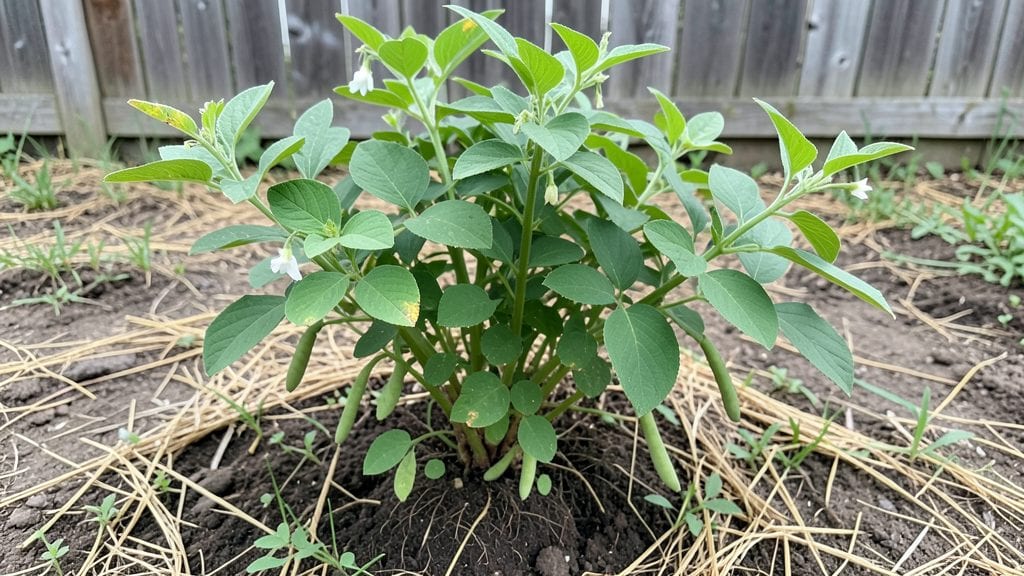
Fast-growing green bean bush seeds are the secret weapon for a summer harvest that starts in just 10-14 days. 🌱 Last year, I planted 'Blue Lake' beans on Memorial Day weekend, and by July 4th, we were snapping fresh pods straight from the vine—no grocery store needed.
The trick isn't just the seeds, though; it's knowing exactly when, where, and how to plant them for that speedy germination.
You'll need loose, well-draining soil with compost mixed in (think crumbly, not compact), and a spot that gets full sun for at least 6-8 hours daily. Most bush bean varieties—like 'Kentucky Wonder' or 'Blue Lake'—thrive in 50-85°F soil, so wait until the ground warms up after the last frost.
Plant seeds 1 inch deep and 3-4 inches apart, then cover lightly with soil. The key? Don't overcrowd—they need room to bush out and produce.
Within a week, you'll spot those first tiny leaves breaking through the soil, and by week three, you'll be pinching off early blooms to encourage stronger plants. Keep the soil consistently moist but not soggy, and watch as those vines thicken and pods swell.
By midsummer, you'll have a 3-foot-tall bush producing pods every few days—enough to freeze, can, or share with neighbors.
This method works for container gardens too, as long as your pot holds at least 5 gallons per plant. The fast germination means you can even stagger plantings every two weeks for a continuous harvest. Now, let's get those seeds in the ground before the slugs get too hungry!
📚 In This Guide
- What you need
- Instructions
- Tips and common mistakes
- Wrapping up and next steps
What you need
- ● Green Bean Bush Seeds: 1–2 packets (50–100 seeds) of fast-germinating varieties like ‘Blue Lake’ or ‘Contender’ (check seed packets for days-to-germination estimates).
- ● Growing Containers or Garden Bed: Containers: 1–2 deep pots (10–12 inches) with drainage holes OR a raised bed (at least 12 inches deep).
- ● Garden Bed: A sunny spot (6+ hours of sunlight) with loose, well-draining soil (pH 6.0–7.0).
- ● Potting Soil or Compost: 1–2 bags of seed-starting mix (sterile, lightweight) or garden soil amended with compost (50% soil, 50% compost).
- ● Watering Can or Spray Bottle: With a gentle nozzle to avoid disturbing seeds.
- ● Gloves: A pair to keep hands clean while handling soil/seeds.
- ○ Plant Labels: Small stakes or markers to label varieties (optional but helpful!).
- ● Row Cover or Cloche: Lightweight fabric to protect seedlings from pests (e.g., flea beetles).
- ● Fertilizer: Balanced organic fertilizer (e.g., 10-10-10) or compost tea for established plants.
- ○ Trellis or Cage: Optional for bush beans (though they don’t require support, a small cage can help keep plants upright).
- ○ Seedling Heat Mat (Optional): For indoor starts in cool climates (speeds up germination by 2–3 days).
Step-by-Step instructions for growing green bean bush seeds
Here's how to get your fast-growing beans from seed to harvest in just a few weeks.
🌱 Step 1: Prepare the Planting Area
Choose a location with full sun exposure (6-8 hours daily) and well-draining soil. Green beans thrive in soil with a pH between 6.0 and 7.0. If your soil is heavy clay or sandy, mix in 2 gallons of compost to improve texture and fertility before planting.
Loosen the soil to a depth of 12 inches with a garden fork to help roots penetrate easily. Avoid working the soil when it's wet—wait until it's dry enough to crumble in your hands. This prevents compaction that can stunt root growth.
🌱 Step 2: Sow Seeds at the Right Depth and Spacing
Plant seeds 1 inch deep and 3-4 inches apart in rows spaced 18-24 inches apart. Green bean seeds germinate best in soil temperatures between 60-85°F. If your spring is cool, consider using a row cover or planting in a black plastic mulch to warm the soil faster.
I like to plant seeds in small clusters of 3-4, then thin to the strongest seedling once they're 2 inches tall. This gives you a head start on production. Water gently after planting to settle the soil around the seeds without disturbing them.
💧 Step 3: Maintain Consistent Moisture and Watch for Germination
Keep the soil evenly moist but never soggy—green beans need 1-1.5 inches of water per week. Water at the base of plants in the morning to reduce evaporation and fungal risks. You'll see first sprouts in 7-14 days—this fast germination is why bush beans are perfect for quick harvests.
Once seedlings emerge, thin them to stand 4-6 inches apart. If you planted clusters, remove all but the strongest seedling per spot. This prevents overcrowding, which leads to poor air circulation and disease. Watch for true leaves (the second set after the initial seed leaves)—this confirms healthy growth.
☀️ Step 4: Provide Support and Fertilize Lightly
When plants reach 6-8 inches tall, install 5-foot tall stakes or trellises at the ends of each row. Gently weave vines through the support as they grow—bush beans don't climb aggressively, but support prevents them from flopping over. This also makes harvesting easier and improves air flow.
Side-dress with 1/2 cup of 5-10-10 fertilizer per 10 feet of row when plants are 4-6 inches tall. Water immediately after applying to prevent root burn. Too much nitrogen makes plants leafy but reduces pod production—stick to a balanced approach for best results.
✂️ Step 5: Harvest at Peak Freshness
Green beans are ready to harvest 50-60 days after planting, when pods are 4-6 inches long and crisp. Pick every 2-3 days to encourage continuous production—beans left on the plant turn woody and tough. I like to harvest in the morning when pods are firmest and flavors brightest.
Cut pods with scissors or pruners to avoid damaging the plant. You'll get 4-6 weeks of harvests per planting. When plants stop producing, pull them up and compost the remains—this prevents pests from overwintering in the garden.
Tips & tricks for perfect green bean bush growth
Here's how to turn those fast-growing seeds into a thriving garden in record time.
Soil Temperature Secret: Those 60-85°F soil temperatures in Step 2 are non-negotiable for speedy germination. I've learned the hard way—if your spring is chilly, use a row cover or black plastic mulch to warm the soil faster. Trust me, the 2-3 day difference in sprouting time makes all the difference when you're eager for harvest.
Thinning Strategy: When you're thinning seedlings in Step 3 to 4-6 inches apart, don't just yank them out—use small scissors to snip at the base. This prevents disturbing nearby roots and gives you stronger plants. I've seen gardens where careless thinning leads to stunted growth from root damage.
Watering Wisdom: The 1-1.5 inches of water per week in Step 3 should be consistent, but here's the trick: water deeply at the base in the morning rather than light sprinkles throughout the day. This prevents fungal diseases that love damp foliage and encourages deep root growth. I've had entire rows fail from overwatering—don't make my mistake!
Harvest Timing: Those 50-60 days to harvest in Step 5 are just the beginning—keep picking every 2-3 days to trigger continuous production. I've seen gardens where people wait too long, and suddenly they're dealing with tough, stringy beans instead of crisp pods. The key is consistency!
Pro Tips for Green Bean Bush Seeds
- Here's how to turn those fast-growing seeds into a thriving garden in record time.
- Soil Temperature Secret: Those 60-85°F soil temperatures in Step 2 are non-negotiable for speedy germination.
- Thinning Strategy: When you're thinning seedlings in Step 3 to 4-6 inches apart, don't just yank them out—use small scissors to snip at the base.
Frequently asked questions
Got questions about growing green bean bush seeds? You’re not alone! Here are answers to the most common queries to help you cultivate a thriving harvest with ease.
How long does it take for green bean bush seeds to germinate?
Most green bean bush seeds sprout within 7–14 days under ideal conditions (warm soil, 70–85°F, and consistent moisture). For faster results, soak seeds overnight before planting. Patience pays off—just keep the soil damp and warm!
What’s the best temperature for planting green bean bush seeds?
Green beans thrive in soil temperatures between 60–90°F. Wait until the last frost has passed (after May 15 in most regions) to plant. If your climate is chilly, use black plastic mulch or a cold frame to warm the soil. Never plant when frost is forecasted!
Can I grow green bean bush seeds in containers?
Use containers at least 12 inches deep with well-draining soil. Bush beans need supportive stakes or trellises (even in pots) to prevent sprawling. Just ensure pots get 6+ hours of sunlight daily. Dwarf varieties like ‘Blue Lake’ work perfectly for small spaces!
Why aren’t my green bean bush seeds sprouting?
Check these fixes:
- Cold soil: Use a seedling heat mat if temps are below 60°F.
- Too dry/wet: Keep soil consistently moist (not soggy).
- Old seeds: Test viability by soaking in water—sinkers sprout!
- Depth issues: Plant seeds 1–1.5 inches deep.
Are there any low-maintenance alternatives to bush beans?
Yes! Try these easy picks:
- Pole beans: Fewer plants needed (they climb!), but require trellises.
- Dwarf snap peas: Fast-growing (50–60 days) and cold-tolerant.
- Lima beans: Heat-loving and drought-resistant once established.
Wrapping up and next steps
Growing your own green beans from fast-germinating bush seeds is a rewarding journey that yields nutritious, homegrown produce with minimal fuss! Whether you're a beginner or seasoned gardener, these seeds deliver quick results—perfect for small spaces or impatient green thumbs. 🌱
Now that you’re armed with the right knowledge, roll up your sleeves and get planting! Start small with a few seeds, experiment with varieties, and enjoy the satisfaction of a thriving harvest.
Before you know it, you’ll be savoring fresh, crisp green beans straight from your garden—one seed at a time.