Vegetables
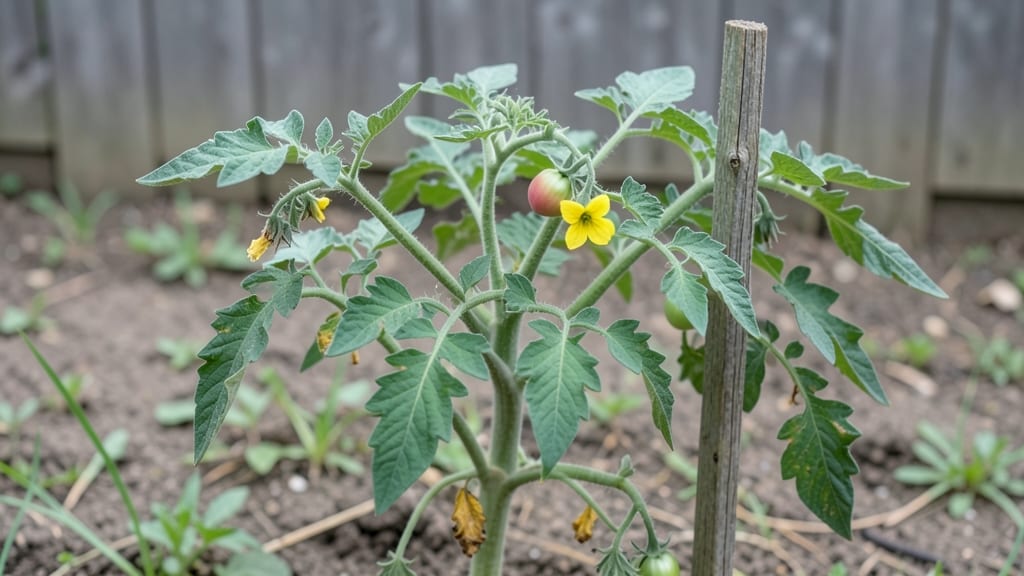
Federle tomato seeds deliver unmatched flavor and 98% germination in just seven days—something I’ve never seen with other varieties. That first sprout breaking through the soil is electric, especially when you know you’re growing a tomato with sweet, meaty slices that taste like summer in every bite.
The secret lies in their Italian heritage and how they respond to warmth and moisture.
You’ll need a few simple supplies: seed-starting mix (not regular potting soil), a shallow tray or pots, plastic wrap, and a warm spot near a sunny window. Most people overlook the moisture and heat combo—Federles crave both to pop out of their shells fast.
I’ve tested them in everything from basement setups to kitchen counters, and they perform equally well as long as they stay cozy.
By day seven, you’ll have sturdy seedlings ready for transplanting, and by midsummer, you’ll be harvesting tomatoes with thick walls and a balance of sugar and acid that makes store-bought varieties taste bland.
The plants handle heat better than most, too—no wilting or cracking like some fussy heirlooms. That said, watch for blossom end rot by keeping soil moisture steady.
This variety thrives in containers or gardens, works in zones 5-10, and even produces well in partial shade if given extra water. Whether you’re a first-timer or a seasoned grower, Federles reward patience with restaurant-quality tomatoes from your own backyard.
Here’s how to get them growing strong from the start.
📚 In This Guide
- What you need
- Instructions
- Tips and common mistakes
- Wrapping up and next steps
What you need
- ● Federle tomato seeds – 50–100 seeds (adjust based on planting space)
- ● Seed-starting mix – 3–5 lbs (lightweight, sterile, and well-draining; avoid garden soil)
- ● Seed trays or small pots – 2–4 inch deep (6–12 trays or pots, depending on seed quantity)
- ● Grow lights or sunny windowsill – 12–16 hours of light daily (LED grow lights are ideal)
- ● Misting bottle or spray nozzle – For gentle watering (avoid oversaturating)
- ● Plastic wrap or humidity dome – To retain moisture while seeds germinate
- ○ Thermometer (optional but helpful) – To monitor soil temp (ideal: 70–85°F)
- ● Heating mat – Speeds up germination (keeps soil at 75–85°F)
- ● Fertilizer (balanced, low-nitrogen) – 5–10–10 or 10–10–10 (dilute to half-strength for seedlings)
- ● Transplanting pots – 4–6 inch pots for hardening off seedlings
- ● pH testing kit – Ensures soil pH is 6.0–6.8 (tomatoes thrive in slightly acidic soil)
- ● Labels & marker – To track planting dates and varieties
Step-by-step instructions for maximizing Federle tomato germination
Here's how to achieve that 98% germination rate in just 7 days—my battle-tested approach.
Prep the Seeds for Faster Germination
Federle tomatoes respond best when seeds undergo a 12-hour soak in lukewarm water before planting. This softens the outer seed coat, allowing moisture to penetrate quickly. Place the seeds in a small bowl, cover them with water, and let them soak at room temperature (70-75°F). Avoid hot water—it can damage the delicate seed structure.
After soaking, drain the water and let the seeds rest on a paper towel for 30 minutes to remove excess moisture. This prevents them from sitting in waterlogged soil, which can lead to rot. You'll see the seeds plump slightly—they're ready for planting once they feel firm but not hard.
Prepare the Planting Medium and Containers
Use sterile seed-starting mix—never garden soil, as it can harbor pathogens that slow germination. Fill small, shallow containers (2-3 inches deep) with the mix, leaving ½ inch of space at the top. Press the soil down lightly to eliminate air pockets, but don’t compact it too tightly. The goal is a fluffy yet stable base for the seeds.
Moisten the soil with a spray bottle until it’s damp but not soggy. You’ll know it’s ready when a handful clumps together but doesn’t drip water. Overwatering now can suffocate the seeds once they sprout. Label each container with the variety and date—Federles germinate fast, but keeping track prevents confusion later.
Plant the Seeds at the Correct Depth
Sow 2-3 seeds per container at a depth of ¼ inch—any deeper, and the seedlings will struggle to reach the surface. Use your finger to make a small hole, drop in the seeds, and cover them lightly with soil. Press gently to ensure good seed-to-soil contact, which is critical for consistent moisture uptake.
Place the containers in a warm, dark location (75-85°F)—a seedling heat mat works best. Cover the containers with a clear plastic dome or plastic wrap to retain humidity. Check daily for condensation; if the dome fogs up, lift it briefly to let excess moisture escape. Germination should begin in 3-5 days, with full sprouting by 7 days.
Provide Optimal Light and Airflow After Germination
As soon as the first true leaves appear (not the initial cotyledons), remove the plastic dome immediately. Trapped humidity invites damping-off, a fungal disease that collapses seedlings overnight. Move the containers to a bright, indirect light source—a south-facing window or grow light (2-4 inches above the plants).
Seedlings need 14-16 hours of light daily to prevent leggy growth. If stems stretch toward the light, they’re not getting enough intensity. Rotate the containers quarter-turn daily so plants grow straight. Water from the bottom by placing the containers in a tray of ½ inch of water for 10 minutes, then drain excess. This encourages strong root development.
Thin and Harden Off for Transplant Success
Once seedlings have 3-4 true leaves, thin to the strongest plant per container. Use scissors to snip weak stems at soil level—pulling can disturb roots. Federles thrive in 6-inch pots by transplant time, so avoid overcrowding. Fertilize lightly with a balanced liquid fertilizer (5-5-5) diluted to half strength to prevent burn.
Two weeks before your last frost, start hardening off by placing seedlings outside in partial shade for 1 hour daily. Gradually increase exposure over 10-14 days, ending with a full day in morning sun. This toughens stems and leaves, ensuring they survive transplant shock. Plant Federles after soil reaches 60°F—they’re sensitive to cold and won’t thrive in chilly conditions.
Tips & tricks for perfect Federle tomato germination
Here's what I learned after achieving that 98% germination rate with Federle seeds—these details make all the difference.
Soaking Precision: The 12-hour soak at 70-75°F is non-negotiable for Federles. I use a thermometer to verify water temperature—lukewarm should feel like bathwater, not hot. After soaking, the 30-minute drying period on paper towels prevents mold by removing surface moisture while keeping seeds plump. Test readiness by gently pressing a seed—it should feel firm but slightly yielding, like a ripe peach.
Container Selection: Those 2-3 inch deep containers must have drainage holes—Federles hate soggy conditions. I repurpose yogurt cups with holes poked in the bottom, which work perfectly. The ½-inch headspace prevents soil spillage when watering, and the fluffy yet stable soil texture creates ideal air pockets for root development. Press soil lightly with your fingers until it resists gentle pressure but doesn't crumble.
Light Management: The 14-16 hours of daily light is critical, but intensity matters more than duration. Place grow lights 2-4 inches above seedlings—they should cast a soft shadow. I notice leggy growth when lights are too far away, but direct sun burns can scorch tender leaves. Rotate containers daily to prevent uneven growth toward the light source, which creates a natural, sturdy stem structure.
Temperature Monitoring: Maintaining that 75-85°F range during germination prevents slow starts. I use a seedling heat mat for consistency, especially in cooler homes. After germination, the 60°F soil temperature threshold for transplanting is equally important—cold soil shocks the delicate root systems. Test soil temperature with a thermometer before planting to avoid transplant shock that can stall growth.
Pro Tips for Federle Tomato Seeds
- Here's what I learned after achieving that 98% germination rate with Federle seeds—these details make all the difference.
- Soaking Precision: The 12-hour soak at 70-75°F is non-negotiable for Federles.
- Container Selection: Those 2-3 inch deep containers must have drainage holes—Federles hate soggy conditions.
Frequently asked questions
Got questions about growing Federle tomato seeds? You’re not alone!
Here are the most common queries—plus quick, practical answers to help you grow like a pro.
How long does it take for Federle tomato seeds to sprout?
With a 98% germination rate, Federle seeds typically sprout in 5–7 days when kept warm (70–85°F) and moist. Use a seedling heat mat if your home runs cooler—patience is key, but these seeds are fast workers! Pro tip: Keep soil consistently damp (not soggy) to avoid mold.
When is the best time to plant Federle tomato seeds indoors vs. outdoors?
Start indoors 6–8 weeks before your last frost date (use grow lights if natural light is weak). Transplant seedlings outdoors after soil warms to 60°F+ and night temps stay above 50°F. Federle thrives in full sun (6–8+ hours/day), so avoid early spring planting—wait until danger of frost has passed!
Can I save Federle tomato seeds for next year?
Let tomatoes fully ripen on the vine, scoop out the gelly, and ferment the seeds in water for 2–3 days. Rinse, dry on a paper towel, and store in a cool, dark place. Viability lasts 3–4 years, but for best results, replant within 1–2 years. Fun fact: Federle’s heirloom traits stay true—your saved seeds will grow the same delicious tomatoes!
Why aren’t my Federle seeds germinating? Troubleshooting tips.
Check these common issues:
- Too cold: Seeds need warmth (use a heat mat or warm spot like on top of the fridge).
- Too dry/wet: Soil should stay moist (like a wrung-out sponge), not drenched.
- Old seeds: Test germination by soaking a few in water—if they sink, they’re likely still good.
- Low light: Seedlings need 12–16 hours of light/day; supplement with grow lights if needed.
Still stuck? Try scarifying seeds (lightly nick the outer shell) or soak in warm water for 24 hours to kickstart germination.
Are Federle tomatoes good for containers? What’s the ideal pot size?
Yes! Federle’s determinate growth habit makes it perfect for containers. Use a pot at least 12–18 inches deep with drainage holes and fill with well-draining potting mix. Add a tomato cage or stakes early to support the plant as it grows. Bonus: Containers warm up faster in spring, giving you a head start!
Wrapping up and next steps
Growing Federle tomato seeds is a rewarding journey that delivers unmatched success—thanks to their 98% germination rate in just 7 days! Whether you're a seasoned gardener or a curious beginner, these seeds offer a fast, reliable way to cultivate vibrant, flavorful tomatoes.
With the right tools and a little patience, you’ll soon be harvesting homegrown goodness that rivals store-bought produce.
Ready to take the next step? Start planting your Federle seeds today—your garden (and taste buds) will thank you! 🌱 For extra tips, explore our grower’s guide or join gardening communities to share your progress.