Flowers
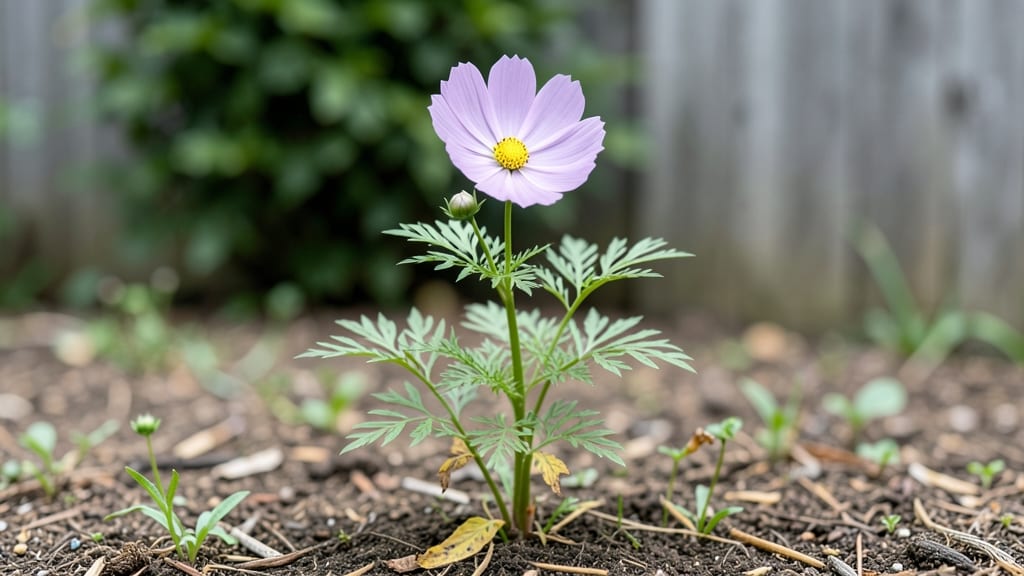
Cosmos wildflower seeds turn a bare patch into a riot of color in just two months—no fuss, no waiting years for rewards. 🌸 I planted mine last spring, and by July, bees and butterflies were fighting over the blooms while my neighbors still stared at their empty beds.
The secret isn't magic; it's matching their fast growth to simple conditions they adore.
You'll need full sun, loose soil, and patience for about 60 days until those first daisy-like faces peek through. The seeds themselves are tiny—think poppy seeds—but don't let that fool you.
They germinate reliably when kept moist and warm, and once up, they grow like weeds (in the best way). No fancy fertilizers here; cosmos thrive on neglect once established.
By midsummer, you'll have 3-4 foot tall stalks bursting with vibrant pink, white, or crimson blooms that last until frost. The flowers never need deadheading—they self-seed like crazy, creating a natural tapestry year after year.
Plus, every bloom feeds pollinators, making your garden a buzzing hotspot instead of just another green space.
Works in cottage gardens, wildflower meadows, or even container pots—just give them room to sprawl. Here's how to skip the guesswork and get those bold blooms every season without the hassle.
📚 In This Guide
- What you need
- Instructions
- Tips and common mistakes
- Wrapping up and next steps
What you need
- ● Cosmos wildflower seeds – 1 packet (approx. 500-1,000 seeds, non-GMO preferred for pollinator benefits). Pro tip: Choose a mix like 'Bright Lights' or 'Sensation' for bold colors! 🌈
- ● Well-draining potting soil – 1 bag (1-2 cubic feet) or garden soil amended with compost (for in-ground planting).
- ● Containers or garden bed – Option 1: Seed trays or biodegradable pots (6-8" deep, with drainage holes).
- ● Option 2: Direct-sow spot in a sunny, well-drained garden bed (6+ hours of sunlight daily).
- ● Watering can or spray bottle – With a fine mist setting for gentle hydration.
- ○ Plant labels – 5-10 labels to track varieties (optional but helpful!).
- ● Seed-starting mix – For faster germination indoors (sterile and lightweight).
- ● Grow lights or sunny windowsill – If starting seeds indoors (12-16 hours of light/day).
- ● Organic fertilizer – Low-nitrogen, balanced formula (e.g., 5-5-5) for transplanting.
- ● Mulch or straw – To retain moisture and suppress weeds in garden beds.
- ● Pollinator-friendly companions – Seeds like borage, sunflowers, or marigolds to attract bees and butterflies! 🐝
How to grow cosmos wildflowers from seed
Here's my go-to method for fast, vibrant cosmos blooms that attract butterflies and bees in under two months.
🌱 Step 1: Choose Your Planting Time and Location
Cosmos thrives in full sun—at least 6-8 hours daily. I plant mine after the last frost when soil reaches 60°F, usually in late spring. They tolerate light frost, so don't wait too late—cosmos grows fastest when nights stay warm.
For a longer bloom season, make a second planting 4-6 weeks later. The first batch will fade as the second comes into flower. Choose a spot with well-draining soil—cosmos hates soggy roots. If your soil is heavy clay, mix in a 2-inch layer of compost before planting.
🌱 Step 2: Direct-Sow Seeds (No Starting Indoors Needed!)
Scatter seeds ¼ inch deep in rows or clusters, spaced 12-18 inches apart. I like to plant in loose groups of 3-5 seeds every 18 inches for a wildflower meadow look. Press them gently into the soil—cosmos seeds need light to germinate, so don't bury them too deep.
Keep the soil consistently moist but not soggy until germination. You'll see sprouts in 7-14 days when conditions are right. Thin seedlings to 12 inches apart once they have 2-3 true leaves, snipping weaker stems at soil level with clean scissors.
💧 Step 3: Water and Fertilize for Strong Growth
Water deeply 1-2 times per week once established, aiming for 1 inch of water weekly. Let the top inch of soil dry between waterings—cosmos is drought-tolerant once rooted. I water at the base in the morning to prevent fungal issues from evening moisture.
Skip heavy fertilizers—cosmos grows best in lean soil. Side-dress with 1 cup compost around each plant when they reach 6 inches tall. Too much nitrogen makes them grow leaves instead of flowers, which is the last thing you want from these showstoppers.
☀️ Step 4: Enjoy Blooms and Encourage More Flowers
You'll see the first flowers in 60-70 days from sowing, starting with the taller varieties. Deadhead spent blooms by pinching off the faded flowers with your fingers—this redirects energy to produce more blooms. I do this every 2-3 days during peak bloom for nonstop color.
Cosmos self-seeds prolifically, so leave some spent blooms if you want next year's garden to pop up naturally. The more you deadhead, the taller and bushier the plants grow. Cut back leggy stems by ⅓ after the first flush of blooms to encourage compact, bushy growth.
✂️ Step 5: Prepare for Winter and Next Year
Cut back plants to 4 inches tall in late fall once frost kills the foliage. Cosmos has no major pests, so no special cleanup is needed. The seeds left on the stems will sprout fresh plants next spring—just rake out any volunteers in spring if you want to control where they grow.
For a guaranteed show next year, scatter a few seeds in early spring before the last frost. Cosmos grows so easily that even neglected patches will reward you with cheerful blooms. The more you grow, the more butterflies will visit—it's a win-win for your garden and local pollinators.
Tips & tricks for growing cosmos wildflowers
These little-known tricks will help you grow cosmos wildflowers that bloom bigger, last longer, and attract more pollinators than you ever imagined.
The Sunlight Secret: While cosmos thrives in 6-8 hours of sun daily, I've found they actually perform best with full sun exposure (8+ hours) when temperatures stay above 60°F. If your garden gets afternoon shade, plant cosmos where they'll get morning sun—this prevents leggy growth and encourages bushier plants with more blooms. I've seen cosmos in partial shade still flower, but the stems get spindly and flowers are smaller.
Seed Spacing Strategy: The 12-18 inch spacing in Step 2 might seem generous, but trust me on this—cosmos grows surprisingly fast. When planting in clusters of 3-5 seeds every 18 inches, you'll create natural groupings that look stunning when in bloom. If you're short on space, you can reduce spacing to 12 inches, but be prepared for more thinning later. The key is to avoid overcrowding, which leads to fewer blooms and more foliage.
Watering Wisdom: After the initial germination phase, cosmos is famously drought-tolerant, but there's a trick to getting those first blooms faster. When your plants reach 6 inches tall (right before you add that 1 cup compost), give them a deep watering every 5-7 days instead of the standard 1-2 times per week. This encourages stronger root growth, which translates to bigger, more vibrant blooms when they arrive in 60-70 days. The secret is to water deeply but less frequently once established.
Deadheading Discipline: The 2-3 days between deadheading sessions in Step 4 is perfect, but here's what nobody tells you—use your fingers, not scissors. Pinching off spent blooms with your fingers redirects energy more efficiently than cutting. I also recommend deadheading in the morning when blooms are fully open. This gives the plant all day to redirect energy to new blooms before nightfall. You'll notice a dramatic increase in continuous blooming if you stick to this routine.
Pro Tips for Cosmos Wildflower Seeds
- These little-known tricks will help you grow cosmos wildflowers that bloom bigger, last longer, and attract more pollinators than you ever imagined.
- The Sunlight Secret: While cosmos thrives in 6-8 hours of sun daily, I've found they actually perform best with full sun exposure (8+ hours) when temperatures stay above 60°F.
- Seed Spacing Strategy: The 12-18 inch spacing in Step 2 might seem generous, but trust me on this—cosmos grows surprisingly fast.
Frequently asked questions
Got questions about growing cosmos wildflower seeds? You’re not alone! Here are answers to the most common queries—from planting timing to troubleshooting—so you can dive right in with confidence.
When is the best time to plant cosmos wildflower seeds?
For fastest blooms, sow seeds directly after the last frost when soil is at least 60°F (15°C). Cosmos thrive in warm weather and can even handle light frost as seedlings. If your spring is chilly, opt for late May or early June plantings—just expect slightly delayed flowers. Pro tip: No need to soak seeds—they germinate quickly (5–10 days) with minimal prep!
How long do cosmos wildflower seeds take to grow and bloom?
Here’s the exciting part: cosmos live up to their reputation for speed! From seed to first bloom is typically 60–70 days—sometimes even faster in hot climates. Seedlings sprout in 5–10 days, and you’ll see buds forming in 3–4 weeks after germination. Patience pays off, but the wait is short!
Are cosmos wildflower seeds really that great for pollinators?
Cosmos are a pollinator magnet, attracting bees, butterflies, and hummingbirds with their bright, nectar-rich blooms. Their long flowering season (summer to frost) provides continuous food sources. For extra appeal, plant cosmos alongside sunflowers or zinnias—the more variety, the better for busy pollinators.
What if my cosmos seeds don’t germinate or the plants look weak?
Don’t worry—cosmos are forgiving, but here’s how to troubleshoot:
Slow germination? Ensure soil stays consistently moist (not soggy) and warm. A clear plastic dome or row cover can help retain heat.
Leggy or pale seedlings? Thin plants to 12–18 inches apart and provide full sun (6+ hours/day). Cosmos hate competition!
No blooms? Deadhead spent flowers to encourage more blooms, and fertilize lightly with balanced 10-10-10 if soil is poor.
Still struggling? Try direct sowing in late summer for a second flush of blooms next year.
Can I grow cosmos wildflower seeds in containers or small spaces?
Yes! Cosmos adapt well to containers, window boxes, or even hanging baskets (choose trailing varieties like ‘Bright Lights’). Use a well-draining potting mix and a pot at least 6–8 inches deep. For small spaces, interplant with herbs or veggies—cosmos’ airy stems won’t overcrowd. Just ensure they get plenty of sunlight, even in pots!
Wrapping up and next steps
Transforming your garden into a vibrant pollinator paradise with cosmos wildflower seeds is easier—and faster—than you think! 🌸 These cheerful blooms not only add beauty but also support bees, butterflies, and hummingbirds in just 60 days.
Whether you’re a seasoned gardener or a beginner, the key is patience, proper care, and a little creativity.
Ready to take the next step? Grab your seeds, pick a sunny spot, and let nature do the rest. Start small—plant a few cosmos seeds this weekend—and watch your garden burst into life! 🌱✨