Propagation
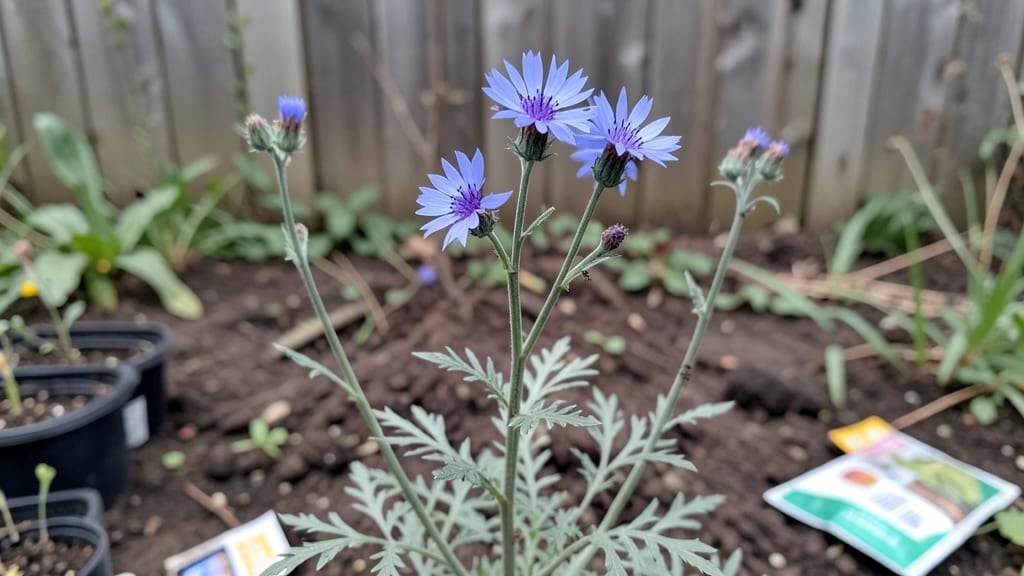
Growing cornflowers from seed delivers bright blue blooms in just 3 weeks—faster than most annuals, and with half the fuss. I’ve grown them in everything from raised beds to cracked concrete, and they never fail to impress with their effortless charm and long-lasting color.
The secret lies in their love of full sun and well-drained soil, plus a little patience while the seeds germinate.
You’ll need sunny spots (at least 6 hours of light daily), lightweight potting mix or garden soil amended with compost, and patience for the 7-14 days it takes those tiny seeds to sprout.
Scatter them directly where you want them to bloom—no transplanting required—and keep the soil lightly moist until they pop up. A handful of seeds gives you dozens of stems, perfect for cutting or letting go wild in meadow-style gardens.
By week 4, you’ll be snipping stems for bouquets or watching bees buzz around the cheerful blooms. Cornflowers thrive in poor soil, resist deer and rabbits, and self-seed reliably, so once planted, they’ll keep coming back.
Pair them with cosmos or marigolds for a carefree, cottage-garden look that never needs deadheading.
Works in any climate from zones 3-10, though they appreciate cooler weather for best color. The only real mistake? Planting too deep—just press seeds into the top ¼ inch of soil. Ready to grow yours?
📚 In This Guide
- What you need
- Instructions
- Tips and common mistakes
- Wrapping up and next steps
What you need
- ● Cornflower seeds – Choose Centaurea cyanus (annual) or Centaurea montana (perennial). Buy 1 packet (50–100 seeds) for a small garden or 2–3 packets for a full border.
- ● Seed-starting mix – 1–2 gallons of sterile, well-draining potting soil (avoid garden soil—it’s too dense!). Look for a mix labeled "seed-starting" or "organic potting soil."
- ● Containers – 4–6 biodegradable seed pots (2–3 inches deep) or a seed tray with cell inserts (if starting indoors). Reuse yogurt cups or egg cartons as budget-friendly alternatives!
- ● Grow lights or sunny windowsill – A LED grow light (12–15W) for 12–14 hours/day or a south-facing window with 6+ hours of sunlight.
- ● Misting spray bottle – A 16–32 oz. spray bottle with water (keep soil consistently moist, not soggy!).
- ● Plastic wrap or humidity dome – A clear plastic bag or humidity cover to retain moisture while seeds germinate.
- ○ Fertilizer (optional but helpful) – A balanced liquid fertilizer (5-5-5 or 10-10-10) diluted to ½ strength for watering after sprouts appear.
- ● Garden bed or large containers – Cornflowers thrive in full sun (6+ hours/day). Prepare a 6-inch-deep bed with loamy, well-draining soil (amend with compost if your soil is clay-heavy).
- ● Compost or slow-release fertilizer – Mix in 1–2 cups of compost per 4 sq. ft. of bed or use 5 lbs. of 10-10-10 granular fertilizer per 100 sq. ft.
- ○ Mulch (optional) – 1–2 inches of straw or shredded leaves to retain moisture and suppress weeds.
- ○ Stakes or cages (optional) – Tall varieties (like Centaurea montana) may need 6-inch stakes for support as they reach 2–3 feet tall.
- ● A seedling heat mat (if starting in cool climates below 60°F) to speed up germination.
- ● pH testing kit – Cornflowers prefer neutral soil (pH 6.0–7.0). Adjust with lime (to raise pH) or sulfur (to lower pH) if needed.
- ● Label markers – Write seed varieties on popsicle sticks or plant tags to track growth stages.
- ● Pruning shears – For deadheading spent blooms to encourage continuous flowering.
Step-by-Step instructions for growing cornflower from seed
Here’s how to get vibrant cornflower blooms in just three weeks—no patience required.
Prepare Containers and Sow Seeds
Cornflower seeds germinate best in well-draining soil, so fill your 4-inch pots with 2 gallons of potting mix mixed with 1 cup of perlite. This ensures excess moisture drains away quickly, preventing rot. Press the mix down lightly to create a firm but not compacted surface—this helps seeds stay in place when you water.
Scatter 10 seeds per pot, spacing them about ½ inch apart. Press them gently into the soil so they make contact but don’t bury them deeper than ¼ inch. Overcrowding now means thinning later, and cornflowers resent being disturbed. Label your pots with the variety and planting date—these fast growers will be in bloom before you forget!
Provide Warmth and Moisture for Germination
Cornflower seeds need consistent warmth to sprout quickly. Place your pots in a location with 70-75°F soil temperatures, such as a sunny windowsill or under a grow light. Cover the pots loosely with plastic wrap to retain humidity, but leave a small gap for airflow—condensation trapped too long encourages mold.
Water gently from the bottom by placing pots in ½ inch of water for 10 minutes. Let them drain completely before returning to their warm spot. Germination typically takes 7-10 days, but don’t be surprised if sprouts appear in just 5 days—this is why cornflowers are so reliable. Once you see first true leaves (not the initial seed leaves), remove the plastic wrap immediately to prevent damping-off.
Thin Seedlings for Stronger Growth
When seedlings reach 2 inches tall, thin them to 4 plants per pot by snipping the weakest stems at the base with clean scissors. This might seem harsh, but crowded cornflowers grow leggy and produce fewer blooms. Space the remaining plants 1 inch apart to give roots room to expand.
After thinning, fertilize lightly with a ½ teaspoon of balanced 10-10-10 fertilizer dissolved in 1 gallon of water. Water at the base to avoid wetting leaves, which can attract fungal diseases. Cornflowers are drought-tolerant once established, but keep soil evenly moist (not soggy) until they develop 4-5 true leaves. At this stage, they’re ready for transplanting or direct outdoor planting.
Transition to Full Sun and Harden Off
Cornflowers thrive in full sun, so move your pots to a south-facing window or outdoors after hardening off. Start by placing them in partial shade for 2 hours on the first day, gradually increasing exposure over 5 days until they receive 6+ hours of direct sunlight daily. Watch for leaves that turn pale or stretch toward the light—this signals they need more sun.
Once hardened off, water deeply once a week, allowing the top 1 inch of soil to dry out between waterings. Cornflowers are tough and forgiving, but they’ll reward you with bold, long-lasting blooms in just 3 weeks from sowing. Deadhead spent flowers to encourage continuous blooming, and enjoy their cheerful faces in your garden or cut arrangements.
Tips & tricks for growing cornflowers from seed
Cornflowers are one of the fastest and most rewarding flowers to grow from seed, but a few key techniques will help you avoid common pitfalls and get those vibrant blooms even sooner.
Soil Preparation Matters: The 2 gallons of potting mix combined with 1 cup of perlite in each 4-inch pot is crucial for preventing rot—cornflowers hate soggy roots. To further improve drainage, I recommend adding a handful of coarse sand to the mix. This creates air pockets that help roots breathe while maintaining moisture retention. After filling your pots, gently press the soil down to create a firm surface without compacting it too tightly; this ensures seeds stay in place when you water.
Germination Speed Hack: Cornflower seeds can sprout in as little as 5 days when given ideal conditions, but maintaining that 70-75°F soil temperature is key. If your home tends to be cooler, place your pots on a seedling mat or use a small heating pad set to low. The 10-minute bottom-watering technique in Step 2 is perfect for ensuring even moisture without disturbing the seeds. Once you see those first true leaves appear, remove the plastic wrap immediately—this prevents damping-off disease, which can wipe out seedlings overnight.
Thinning Technique: When thinning to 4 plants per pot at the 2-inch mark, I use clean, sharp scissors to snip stems at the base rather than pulling them out. This reduces stress on the remaining plants and prevents disturbing the root systems. After thinning, give your pots a gentle shake to settle the soil around the remaining seedlings. This creates a more stable base for their continued growth, which is especially important when they're still developing their root systems.
Harden Off Gradually: The 5-day hardening off period in Step 4 is non-negotiable for cornflowers. Start with just 2 hours of partial shade on day one, then increase exposure by 30 minutes each subsequent day. I've found that placing pots in a sheltered outdoor area (like under a patio cover) during the day and bringing them back indoors at night works beautifully. This gradual transition prevents shock and helps plants develop stronger cell walls for their eventual move to full sun.
Pro Tips for Cornflower From Seed
- Cornflowers are one of the fastest and most rewarding flowers to grow from seed, but a few key techniques will help you avoid common pitfalls and get those vibrant blooms even sooner.
- Soil Preparation Matters: The 2 gallons of potting mix combined with 1 cup of perlite in each 4-inch pot is crucial for preventing rot—cornflowers hate soggy roots.
- Germination Speed Hack: Cornflower seeds can sprout in as little as 5 days when given ideal conditions, but maintaining that 70-75°F soil temperature is key.
Frequently asked questions
Growing cornflowers from seed is straightforward, but beginners often have questions about timing, care, and troubleshooting. Here are answers to the most common ones to help you grow vibrant blooms with ease!
How long does it take for cornflower seeds to germinate?
Cornflower seeds typically germinate in 7–14 days under ideal conditions (warmth, moisture, and light). Keep the soil consistently moist but not soggy, and place the tray in a sunny spot or under grow lights. Patience is key—some seeds may take a little longer, especially in cooler temperatures!
Can I grow cornflowers from seed indoors?
Start seeds indoors 4–6 weeks before the last frost using small pots or a seed tray. Use a well-draining seed-starting mix and keep them in a warm, sunny spot or under artificial grow lights (12–16 hours/day). Once seedlings are 2–3 inches tall, transplant them outdoors after hardening off for a week.
Why aren’t my cornflower seeds sprouting?
If your seeds aren’t germinating, check these common issues:
- Temperature: Cornflowers need soil temps of 60–75°F (15–24°C). Use a heat mat if your home is too cool.
- Moisture: Keep soil damp but avoid waterlogging, which can cause rot.
- Light: Some seeds need light to germinate—try pressing them lightly into the soil (not buried deep).
- Fresh seeds: Old seeds (over 2 years) may have lower viability.
How do I encourage bigger, brighter blooms?
For showstopping cornflowers, focus on these tips:
- Sunlight: Plant in full sun (6+ hours/day) for vibrant blooms.
- Watering: Water deeply but infrequently to prevent leggy growth. Let the top inch of soil dry out between waterings.
- Deadheading: Remove spent blooms to encourage continuous flowering.
- Fertilizer: Use a balanced, low-nitrogen fertilizer (like 10-10-10) every 4–6 weeks.
Are cornflowers annual or perennial?
Cornflowers (Centaurea cyanus) are tender annuals, meaning they complete their life cycle in one growing season. However, they self-seed readily, so you may see volunteers popping up the following year! If you love them, let some seeds drop naturally for a low-maintenance garden display.
Wrapping up and next steps
Growing cornflowers from seed is a quick, rewarding, and budget-friendly way to add vibrant color to your garden in just three weeks! With minimal effort and the right conditions, you’ll enjoy cheerful blooms that attract pollinators and brighten any space.
Whether you’re a beginner or a seasoned gardener, these resilient flowers are the perfect project to spark joy and confidence in your green thumb.
Ready to dive in? Start with a small batch of seeds—grab your supplies, follow the steps, and watch your garden transform! For even faster results, try sowing indoors first, then transplant outdoors once the weather warms up. Happy planting! 🌱✨