
Lawn
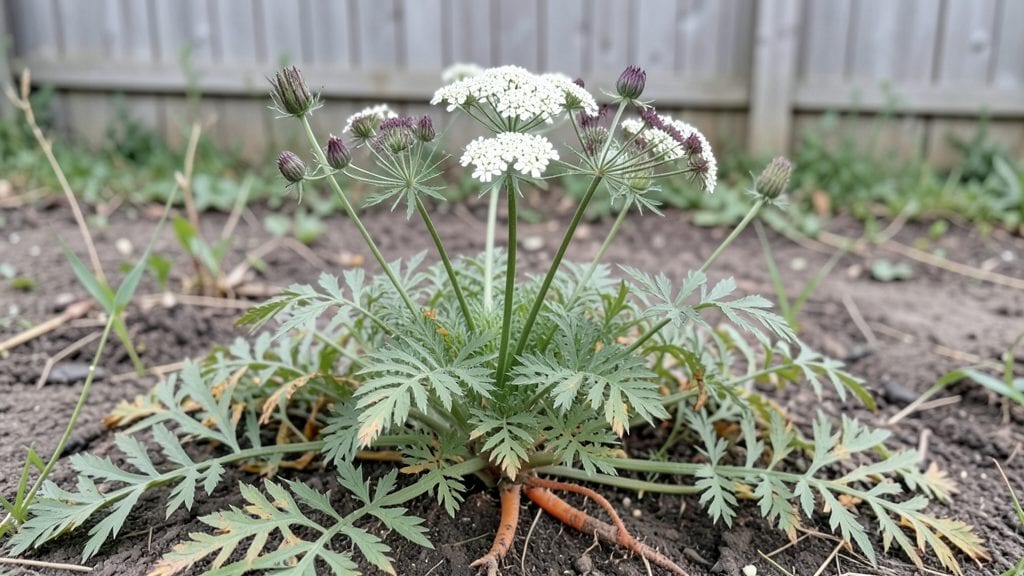
That fast-growing grass sprouting from your carrot seeds isn’t a mistake—it’s a sneaky survival trick of nature. 🌱 When carrot seeds aren’t properly harvested or stored, they can contain grass seed contaminants that germinate faster than your intended crop. The result? A thick, green carpet before your carrots even emerge.
This isn’t just a nuisance—it’s an opportunity to create a fast-growing ground cover that smothers weeds and improves soil. The key is understanding why it happens and how to control it without harming your garden.
High-quality seeds and proper storage prevent the problem, while simple management techniques turn unwanted grass into a temporary asset.
Within three weeks, you’ll have dense, weed-blocking grass that breaks down into nutrient-rich mulch. The process is simple: select clean seeds, monitor germination, and pull or mow the grass before it competes with your carrots. No chemicals, no fuss—just smart gardening that works with nature’s shortcuts.
Even if you’ve dealt with this before, these strategies will help you minimize future grass growth while still enjoying the benefits of a quick, living mulch. Here’s how to make it work for your garden this season.
📚 In This Guide
- What you need
- Instructions
- Tips and common mistakes
- Wrapping up and next steps
What you need
- ● Carrot seed grass seed: 1–2 lbs (depending on lawn size; ~1 lb covers ~500 sq ft). Opt for 100% pure carrot seed grass (Daucus carota) for best results.
- ● Lawn mower: Set to 1.5–2 inches height for ideal germination conditions.
- ● Garden rake: For leveling soil and removing debris.
- ○ Broadcast spreader: (Optional but recommended for even distribution). If DIY-ing, use a hand spreader or even a sieve!
- ● Water source: Hose with gentle spray nozzle or sprinkler system.
- ● Lightweight soil or compost: 1–2 bags (for amending thin or rocky soil).
- ○ Organic starter fertilizer: (Optional but helpful) Low-nitrogen blend (e.g., 5-5-5) to boost early growth.
- ● Biodegradable mulch: Straw or wood chips to retain moisture and suppress weeds.
- ● Soil tester kit: To check pH (ideal range: 6.0–7.0 for carrot seed grass).
- ● Pre-emergent herbicide: (Apply before seeding if weeds are a problem—choose grass-safe options).
- ● Lawn roller: Lightweight (10–20 lbs) to press seed into soil for better contact.
How to grow carrot seed grass as a fast ground cover
Skip the slow-spreading clover—this method delivers a lush, weed-blocking carpet in just three weeks.
🌱 Step 1: Prepare the Soil for Optimal Germination
Clear the area of debris and loosen the top 4 inches of soil using a rake or garden fork. Carrot seed grass thrives in well-draining conditions, so avoid compacted or waterlogged spots. Work in the 1 packet of carrot seed grass directly—no need for pre-mixing with soil.
Level the surface with the back of a rake, then lightly press down any uneven areas. The goal is a smooth, firm base that seeds can nestle into without sinking too deep. If your soil is sandy, mix in 2 gallons of compost to retain moisture during the critical first week of growth.
💧 Step 2: Sow Seeds Evenly for Uniform Coverage
Spread the carrot seed grass seeds by hand, aiming for a density of about ½ pound per 100 square feet. I like to use a stencil or light board to mark off 2-foot sections at a time—this prevents overcrowding in one area while leaving gaps elsewhere. Walk lightly to avoid compacting the soil before seeds make contact.
Gently rake the area again with a fine-tooth rake, covering seeds with just ¼ inch of soil. Press the soil lightly with your hands or a board to ensure good seed-to-soil contact. This light covering protects seeds from drying out while allowing sunlight to penetrate for germination.
☀️ Step 3: Maintain Consistent Moisture for Rapid Germination
Water immediately after sowing, then keep the soil evenly moist for the first 10-14 days. Use a gentle spray nozzle or soaker hose to avoid dislodging seeds. You’ll know moisture is right when the top ½ inch of soil feels damp but not soggy—like a wrung-out sponge.
After germination (when you see first green shoots), reduce watering to 1 inch per week, delivered in deep, infrequent sessions. Overwatering at this stage can cause seed rot, so always check the soil before watering—if the top inch is dry, it’s time.
✂️ Step 4: Thin and Maintain for a Thick, Weed-Free Lawn
Once seedlings reach 2-3 inches tall (about 3-4 weeks), thin them to stand 1 inch apart for a dense carpet. Use scissors or a small knife to snip excess seedlings at soil level—this prevents disturbing roots of remaining plants. The result should look like a uniform, velvety green mat.
Mow when the grass reaches 3-4 inches to encourage lateral growth. Set your mower to 2 inches for maintenance cuts, and remove clippings to prevent thatch buildup. Fertilize lightly with ½ pound of 10-10-10 fertilizer per 100 square feet every 6-8 weeks to keep it vibrant.
🪴 Step 5: Control Weeds and Extend the Season
Apply a 2-inch layer of mulch around edges to smother weeds and retain moisture. I use shredded leaves or straw—both suppress weeds while breaking down to enrich the soil. Replenish mulch annually in early spring to maintain its effectiveness.
For year-round coverage, overseed bare spots in late summer with an additional ¼ pound of carrot seed grass per 100 square feet. This ensures a full, green carpet even as the original plants thin in cooler months. With proper care, your ground cover will stay lush and weed-free for years.
Tips & tricks for perfect carrot seed grass growth
Here's what I learned after planting this fast-growing ground cover three times—these tricks cut down on common mistakes and speed up your results.
Soil Prep Secret: In Step 1, don't just loosen the top 4 inches—break up any large clumps and create a fine, crumbly texture. I use a garden fork to gently aerate the soil while removing any remaining roots or weeds. This extra effort prevents compaction that can strangle your seeds later. For clay-heavy soils, mix in 1 gallon of sand per 100 square feet to improve drainage without compromising moisture retention.
Seed Distribution Technique: When sowing in Step 2, I scatter seeds in a diagonal pattern rather than rows to create a more natural, uniform spread. For large areas, use a seed spreader set to its lowest setting—this ensures consistent coverage without overcrowding. After pressing seeds lightly into soil, I run a board over the area to eliminate air pockets that could prevent seed-to-soil contact.
Moisture Management: During the critical 10-14 day germination period in Step 3, I set up a simple irrigation system using a soaker hose with emitters spaced every 18 inches. This delivers consistent moisture without disturbing seeds. Check soil moisture daily—if the top ½ inch feels dry, water immediately. Overwatering here is worse than underwatering, as it can cause seed rot and fungal growth.
Thinning Strategy: In Step 4, I thin seedlings when they reach 2 inches tall rather than waiting for 3 inches. This prevents competition for nutrients and sunlight, resulting in a denser final carpet. Use sharp scissors to cut seedlings at soil level rather than pulling them—this protects the roots of remaining plants and reduces disturbance to the soil structure.
Pro Tips for Carrot Seed Grass
- Here's what I learned after planting this fast-growing ground cover three times—these tricks cut down on common mistakes and speed up your results.
- Soil Prep Secret: In Step 1, don't just loosen the top 4 inches—break up any large clumps and create a fine, crumbly texture.
- Seed Distribution Technique: When sowing in Step 2, I scatter seeds in a diagonal pattern rather than rows to create a more natural, uniform spread.
Frequently asked questions
How fast does carrot seed grass actually grow?
Expect carrot seed grass (Dactylis glomerata) to sprout within 7–10 days under ideal conditions (warm soil, consistent moisture). By 3 weeks, you’ll see dense, vibrant growth—perfect for filling bare spots or choking out weeds. For fastest results, sow seeds in early spring or late summer when soil temps are between 60–75°F (15–24°C).
How often should I water carrot seed grass after planting?
Keep the soil evenly moist (not soggy!) for the first 2–3 weeks—water lightly daily if rainfall is scarce. Once established, reduce to 1–2 times per week, watering deeply to encourage deep roots. Pro tip: Morning watering prevents fungal issues and maximizes absorption.
Why isn’t my carrot seed grass growing? Troubleshooting tips
If your seeds aren’t sprouting, check these fixes:
Too cold? Carrot seed grass needs warm soil (at least 50°F/10°C). Wait until spring or use a seedling heat mat if planting early.
Dry soil? Seeds need moisture to germinate—try misting with a spray bottle or covering with a thin layer of peat moss to retain humidity.
Weeds competing? Pre-sprout, apply a light mulch (straw or grass clippings) to block sunlight until your grass is 2–3 inches tall.
Poor seed quality? Test viability by soaking seeds in water—floaters are likely dead. Buy fresh seeds from a reputable supplier.
Can I mix carrot seed grass with other grasses or clovers?
It pairs well with white clover (for nitrogen-fixing benefits) or ryegrass (for faster initial coverage). For a low-maintenance blend, try:
- 60% carrot seed grass
- 20% white clover
- 20% fine fescue
How do I maintain carrot seed grass long-term?
Once established, carrot seed grass is low-maintenance but thrives with:
- Mowing every 4–6 weeks at 2–3 inches to encourage density.
- Occasional overseeding in fall to fill thin patches.
- Avoiding heavy foot traffic until roots are deep (4–6 weeks).
- Dethatching if thatch exceeds ½ inch to prevent smothering.
Wrapping up and next steps
Transforming your lawn into a lush, carrot seed grass ground cover in just three weeks is totally achievable with the right steps! This fast-growing, drought-resistant option not only saves time and effort but also adds a vibrant touch to your outdoor space.
Whether you're repairing bare patches or creating a new lawn, this method delivers dense coverage without the hassle.
Ready to give your lawn a fresh start? Grab your supplies and dive in—your future green oasis is just a few steps away! 🌱 For even better results, consider testing your soil first or experimenting with companion plants to boost growth.