Lawn
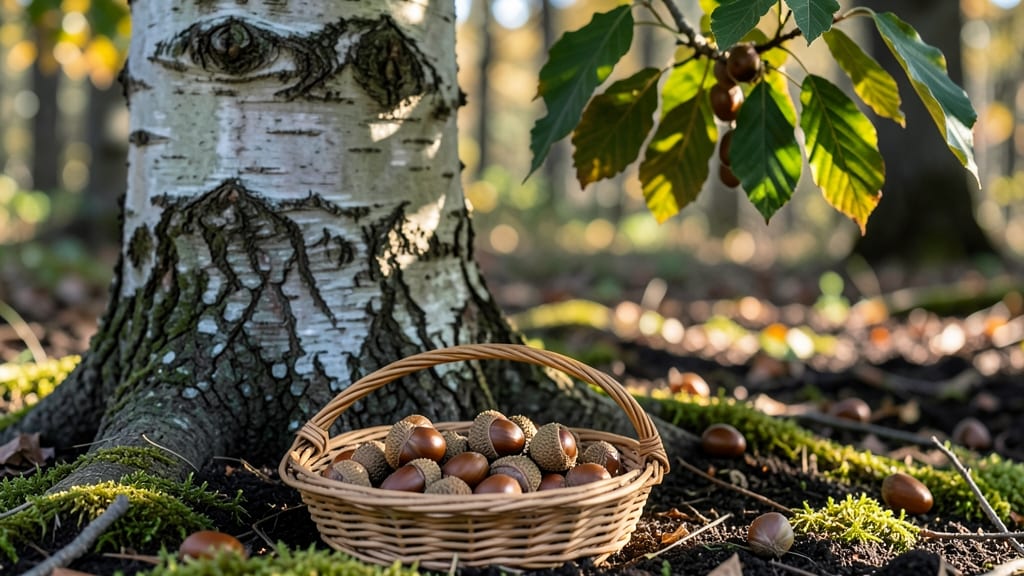
Growing beech nut seed reveals a surprisingly speedy way to get shade-tolerant trees that outpace slower nursery-grown saplings. I’ve watched these little seeds transform into sturdy young trees in just two growing seasons—far faster than I expected.
The trick lies in understanding their dormancy quirks and giving them the right head start.
You’ll need fresh seeds, a cold stratification setup (like a damp paper towel in the fridge for 60 days), and patience for the slow-but-steady germination. Most people rush this step, but skipping the cold treatment means waiting months longer for sprouts.
Once they break through, they thrive in partial shade, making them perfect for understory planting or privacy screens where sunlight is limited.
By late summer of their second year, you’ll have 3-4 foot seedlings strong enough to transplant. The trade-off? They grow slower than expected after that—think 12-18 inches per year—but the shade they provide makes up for it.
The real win is how well they handle neglect once established; drought and poor soil won’t stop them.
Best planted in fall or early spring for temperate climates, these trees reward long-term planning with decades of low-maintenance privacy. Here’s how to get your first batch sprouting this year without the usual frustration.
📚 In This Guide
- What you need
- Instructions
- Tips and common mistakes
- Wrapping up and next steps
What you need
- ● Beech nut seeds: 10–20 fresh, viable seeds (harvested in autumn or purchased from a reputable supplier). Pro tip: 💡 Soak seeds in warm water for 24 hours to soften the hard shell before planting!
- ● Seed-starting mix: 1–2 gallons of lightweight, well-draining potting soil (or a 50/50 mix of peat moss and perlite for better aeration).
- ● Containers: For indoor starts: 4–6 small pots (3–4 inches deep) with drainage holes.
- ● For direct sowing: A shallow trench (6–8 inches deep) in a partially shaded area of your yard.
- ● Grow lights or sunny window: A south-facing window or a 12–16 hour LED grow light (if starting indoors).
- ● Mulch: 2–3 inches of organic mulch (e.g., shredded bark or straw) to retain moisture and suppress weeds.
- ● Basic gardening tools: Trowel or small shovel
- ● Gloves (to protect hands from seed shells)
- ● Spray bottle (for gentle watering)
- ○ Optional (but helpful): Seedling heat mat ($15–$25) to speed up germination indoors.
- ● Humidity dome or plastic wrap to create a greenhouse effect.
- ● pH testing kit (ideal soil pH: 6.0–7.0 for beech trees).
- ● Prerequisites: Patience! Beech seeds can take 2–4 weeks to germinate.
- ● Partial shade (dappled sunlight or 4–6 hours of indirect light daily).
- ● Well-draining soil (beech trees hate soggy roots!).
Instructions for planting and cultivating beech nut seeds
Here’s how to harness the rapid growth of beech nut trees for quick, lush privacy—no sun required.
Stratify Seeds for Faster Germination
Beech nuts need cold stratification to break dormancy. Place the seeds in a paper towel and dampen it until evenly moist but not soggy. Fold the towel to contain the seeds, then seal them in a ziplock bag. Store the bag in your refrigerator for 8-12 weeks, checking monthly to ensure the towel stays damp.
This cold treatment mimics winter conditions, tricking the seed into thinking it’s time to sprout. After 8-12 weeks, you’ll see the first signs of root growth—this is your cue to move to the next step. Skipping stratification delays germination by months, so don’t rush this process.
Prepare Containers and Planting Medium
Fill 6-inch deep containers with a mix of 50% potting soil and 50% perlite to ensure excellent drainage. Beech nuts hate soggy roots, so avoid garden soil, which compacts and suffocates tender seedlings. Moisten the mix until it holds together when squeezed but doesn’t drip.
Plant the stratified seeds ½ inch deep, spacing them 2 inches apart in each container. Gently press the soil around the seeds to secure them without compacting. Label each container with the planting date—this helps track growth progress, especially since beech nuts grow quickly once they start.
Provide Warmth and Moisture for Sprouting
Place the containers in a warm, shaded area with temperatures between 65-75°F. A seedling heat mat set to 70°F accelerates germination, but even a sunny windowsill away from direct heat works. Keep the soil consistently moist—water when the top inch feels dry to the touch—but avoid oversaturating.
Germination typically takes 4-8 weeks, though some seeds may take longer. Once sprouts emerge, move the containers to bright, indirect light to prevent leggy growth. You’ll notice the first true leaves appear within 2-3 weeks after sprouting, signaling it’s time to transition to stronger light.
Transplant Seedlings for Optimal Growth
When seedlings reach 4-6 inches tall with 4-5 true leaves, transplant them into larger containers or directly into the ground. Choose a location with partial to full shade, as beech nuts thrive where other trees struggle. Dig holes twice as wide as the root ball but only as deep.
Space seedlings 10-12 feet apart to allow for their rapid growth—beech nuts can reach 50-70 feet tall under ideal conditions. Mulch around the base with 2-3 inches of shredded bark to retain moisture and suppress weeds. Water deeply after transplanting to help roots establish quickly.
Maintain Through the First Growing Season
Beech nuts grow 3-5 feet per year once established, so focus on keeping the soil moist but well-drained. Water once weekly during dry spells, adjusting for rainfall. Fertilize lightly in early spring with a balanced 10-10-10 formula to encourage strong root and canopy development.
Prune only to remove dead or crossing branches in late winter. Avoid heavy pruning—beech nuts respond poorly to aggressive cuts. Within 3-5 years, you’ll have a dense, shade-tolerant screen that provides year-round privacy, all from seeds that germinated in just a few months.
Tips & tricks for fast shade-tolerant beech nut growth
Harnessing the rapid potential of beech nut seeds requires precision at every stage. These refined techniques will help you accelerate growth while avoiding common pitfalls that slow down development.
Cold Stratification Precision: During the 8-12 week refrigeration period in Step 1, place your sealed ziplock bag on a shelf near the crisper drawer where temperatures hover around 38-40°F. This cooler microclimate within your fridge creates more consistent stratification conditions than the general refrigerator temperature. Check moisture weekly by gently squeezing the paper towel—it should feel like a well-wrung sponge, not dripping. If condensation forms inside the bag, open it briefly to air out before resealing.
Container Selection Strategy: For Step 2, choose containers with drainage holes and select ones that are slightly wider than 6 inches deep—this prevents root binding as seedlings grow. Clear plastic containers with lids work exceptionally well because they allow you to maintain high humidity while still providing visibility to monitor seedling development. The 50/50 potting soil to perlite mix should be fluffed before planting to create air pockets that prevent compaction around the seeds.
Light Transition Technique: When moving seedlings to brighter indirect light in Step 3, gradually increase light exposure over 3-4 days rather than moving them directly to full brightness. Start with 2 hours of indirect light on day one, then add 1-2 hours daily until they're receiving 6-8 hours. This gradual acclimation prevents the shock that often causes leggy growth. The first true leaves appearing within 2-3 weeks after sprouting is your clear signal that the seedlings are ready for this transition.
Transplanting Timing: For Step 4, time your transplanting for a cloudy day or late afternoon to reduce transplant shock. The 4-6 inch height with 4-5 true leaves is your target, but don't wait until the upper limit—smaller, more compact seedlings establish more quickly. When digging holes, use a root stimulator solution in the bottom third of each hole to encourage faster root development in the shade conditions these trees prefer.
Pro Tips for Beech Nut Seed
- Harnessing the rapid potential of beech nut seeds requires precision at every stage.
- Cold Stratification Precision: During the 8-12 week refrigeration period in Step 1, place your sealed ziplock bag on a shelf near the crisper drawer where temperatures hover around 38-40°F.
- Container Selection Strategy: For Step 2, choose containers with drainage holes and select ones that are slightly wider than 6 inches deep—this prevents root binding as seedlings grow.
Frequently asked questions
Got questions about growing beech nut seeds for fast, shade-tolerant privacy? Here are some of the most common ones—and their answers!
How long does it take for beech nut seeds to germinate?
Beech nut seeds can take anywhere from 30 to 90 days to sprout, depending on soil conditions and moisture. Cold stratification (chilling seeds for 60+ days) often speeds up germination. Plant them in fall for natural stratification or mimic it indoors with a damp paper towel in the fridge for 2 months before sowing.
Can beech nut seeds grow in full shade?
Yes! One of their biggest perks is shade tolerance—they thrive in partial to full shade (dappled sunlight or deep shade). However, they’ll grow faster with morning sun exposure. If your yard is fully shaded, just be patient—they’ll still establish over time.
What’s the best alternative if beech nuts are hard to find?
If beech nuts are scarce, try these fast-growing, shade-tolerant alternatives:
- American Beech saplings (faster growth, but pricier)
- Hornbeam (Carpinus) (similar leaf shape, drought-tolerant)
- Eastern Redbud seeds (smaller tree, but great for understory)
- Japanese Maple (Acer palmatum) (ornamental + shade-friendly)
Why aren’t my beech nut seeds sprouting?
If your seeds aren’t germinating, check these troubleshooting tips:
- Lack of stratification—try cold treatment (see Q1).
- Poor soil drainage—beech nuts hate soggy roots. Use well-draining soil or raised beds.
- Inconsistent moisture—keep soil evenly damp (not waterlogged).
- Old seeds—beech nuts lose viability over time. Use fresh seeds (current year’s harvest).
How fast will beech nut trees grow for privacy screening?
Beech nut trees grow at a moderate pace—expect 12–24 inches per year under ideal conditions. For a 10-foot-tall privacy screen, it’ll take 5–10 years from seed. Tip: Plant in spring or early fall and fertilize lightly with compost to boost growth. Pair with faster options (like arborvitae) for quicker results!
Wrapping up and next steps
Beech nut seeds offer a fast, shade-tolerant solution for year-round privacy, transforming your yard into a lush, evergreen haven with minimal effort. Whether you're a beginner or a seasoned gardener, their resilience and rapid growth make them a standout choice for dense, low-maintenance hedges. 🌿
Ready to take the next step? Start small—plant a few seeds in a sunny or partially shaded spot, and watch your vision grow! For larger projects, consider consulting a local nursery to scale up or explore companion plants for added texture. Your dream privacy screen is just a seed away!