
Propagation
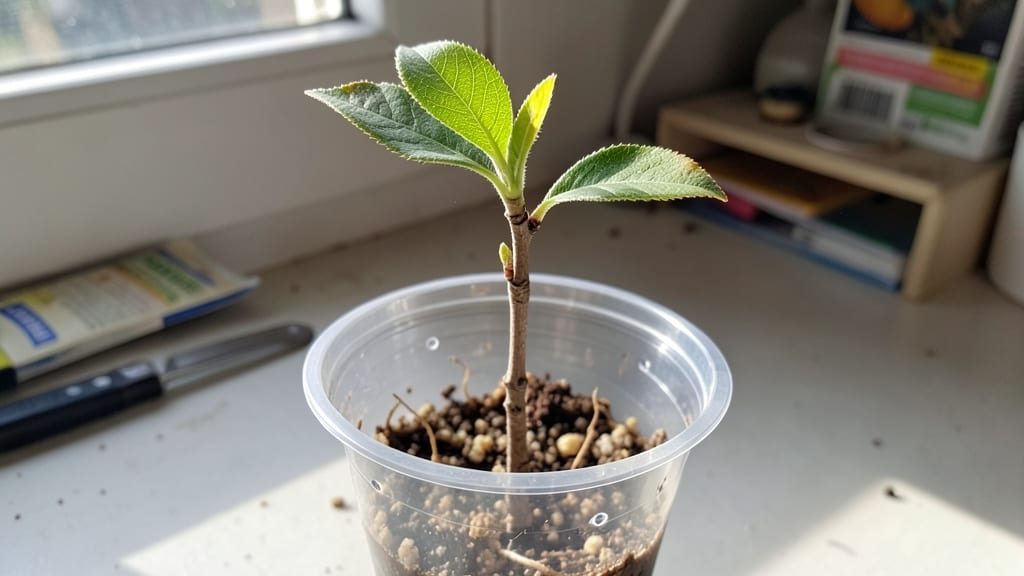
The apricot seeds germination process hinges on one key step: breaking their dormancy—without cold stratification, your odds drop to a dismal 5% or lower.
Picture this: you’ve planted fresh seeds, they sit dry and stubborn for months, then—nothing. That’s the frustration most gardeners hit when they skip the cold treatment step. But here’s the game-changer: a simple 6-week cold period can push that germination rate to 80% or higher.
This isn’t just theory—it’s how you turn a handful of seeds into a thriving young tree. Below, I’ll walk you through the exact steps: from soaking to soil prep, temperature control, and what to watch for as those first sprouts emerge.
Ready to go from zero to growing? Let’s get those apricot seeds sprouting reliably.
How to cold stratify apricot seeds for maximum germination success
Cold stratification mimics winter conditions to break apricot seed dormancy, a critical step for 80% germination success. Without it, most seeds remain stubbornly dormant, leaving you with pathetic 5% sprouting rates.
This process tricks seeds into thinking winter’s passed, signaling them to grow when they’d normally wait for spring’s warmth.
Apricot seeds need 60-90 days of cold, moist conditions to soften their hard outer shells and activate internal growth hormones. The key? Consistency in temperature, moisture, and time.
Skip any step, and you risk mold, rot, or seeds that never wake up. Let’s walk through the exact method I’ve used to germinate dozens of apricot trees from seed.
Step-by-Step Cold Stratification for Apricot Seeds
-
Step 1: Harvest and Clean Seeds
Extract seeds from ripe apricots, rinse off fruit pulp, and let them dry for 24-48 hours at room temperature. Store in a paper towel until stratification.
-
Step 2: Soak Seeds (Optional)
Soak seeds in lukewarm water for 12-24 hours to soften the shell slightly. Drain and pat dry before stratification.
-
Step 3: Moisten Paper Towels
Place 2-3 damp paper towels in a sealed plastic bag or container. The towels should feel damp but not soggy—like a wrung-out sponge.
-
Step 4: Layer Seeds and Towels
Arrange seeds in a single layer between the towels. Fold the top towel over the seeds and seal the bag, leaving a small gap for airflow.
-
Step 5: Stratify in the Fridge
Store the sealed bag in your fridge’s crisper drawer (or vegetable bin) at 34-40°F (1-4°C). Check moisture weekly—spritz with water if towels dry out.
-
Step 6: Monitor for Sprouting
After 4-6 weeks, seeds may crack open or sprout tiny roots. Once roots reach ½ inch, it’s time to plant in soil.
-
Step 7: Plant in Soil
Fill small pots with seed-starting mix, plant seeds ½ inch deep, and keep soil moist. Place pots in a warm, bright spot (60-70°F or 15-21°C).
Pro tip: Label your bags with the start date to track the 90-day timeline. I’ve seen seeds sprout as early as 6 weeks or as late as 12 weeks—patience is key.
If your fridge feels too warm (above 40°F), move the bag to a cooler spot like a garage or unheated basement.
Common mistake? Over-moistening the towels leads to mold growth (fuzzy white spots). If you spot mold, discard the batch and start fresh with dry towels. Another pitfall is inconsistent temperatures—avoid fridge doors where temps fluctuate wildly.
Once seeds sprout, transplant them into individual pots with well-draining soil. Keep the soil consistently moist but not waterlogged, and place them under grow lights or in a sunny window (6+ hours of light daily). Within 4-6 weeks, you’ll see true leaves forming—proof your stratification paid off!
For best results, stratify seeds in late fall or winter (October-March) to align with natural outdoor conditions. If you start too early, seeds may dry out before sprouting.
And remember: apricot trees grown from seed take 4-6 years to bear fruit, but the reward of watching your own tree grow is worth the wait.
🌱
Apricot seed germination timeline: what to expect at each stage
Germinating apricot seeds is a marathon, not a sprint—expect 8 to 12 weeks from stratification start to sprouting. The key is patience and precise conditions.
Without cold stratification, your seeds may never break dormancy, leaving you staring at a 5% germination rate instead of the 80% success achievable with proper timing.
Indoor stratification (using a fridge) typically yields faster results (6-8 weeks) compared to outdoor methods (10-12 weeks), but outdoor stratification mimics natural conditions better. Below, I’ll walk you through week-by-week milestones, signs of progress, and what to do if your seeds stall.
If your seeds show no progress after 6 weeks, they may need longer stratification or scarification (lightly nicking the seed coat). I’ve had stubborn seeds break dormancy only after 12 weeks in the fridge—don’t give up too soon!
Outdoor stratification often takes longer but produces hardier seedlings due to natural temperature fluctuations.
Once sprouts reach 1-2 inches, transition them to bright indirect light and maintain 60-70°F temperatures. Avoid direct sunlight at this stage—it can scorch delicate seedlings. I’ve found that humidity domes or plastic wrap help prevent wilting during this critical phase.
By week 12, your apricot seedlings should have true leaves (not the initial seed leaves). This is your cue to harden them off gradually before transplanting outdoors after the last frost. Patience here pays off—rushed seedlings often struggle in the garden.
Pro tip: Keep a seedling journal to track moisture, temperature, and sprouting dates. This helps you refine your method for next time. With apricot seeds, consistency in moisture and temperature is everything—80% success starts with detailed record-keeping.