
Vegetables
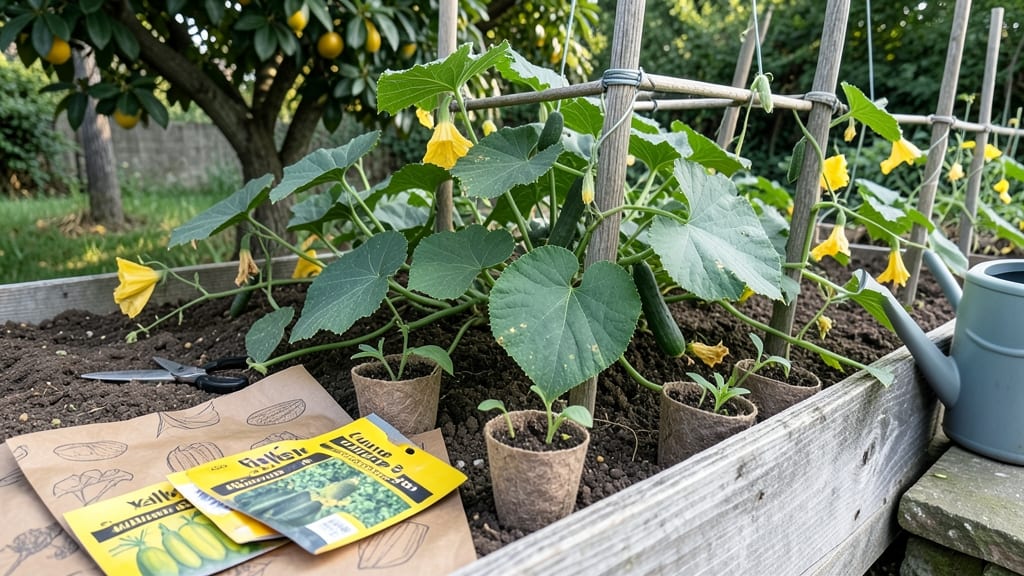
Cold stratification transforms yellow cucumber seeds from slow starters to speedy sprouts in just 5-7 days—something I learned after waiting three weeks for my first batch to germinate.
The trick is mimicking winter's natural chill to break dormancy, and it works like magic for these crisp, golden varieties that store-bought seeds never carry. I’ve since used this method every spring, and my plants hit the ground running while neighbors still wait for their seeds to wake up.
You’ll need nothing fancy: a damp paper towel, a sealed plastic bag, and your fridge’s crisper drawer for 3-5 days. Once the seeds sprout tiny white roots, they’re ready to plant in warm soil, where they’ll shoot up twice as fast as untreated seeds.
The payoff? Lush vines producing those sweet, pale yellow cucumbers weeks earlier than the garden center crowd—plus, you skip the risk of bolting that plagues slow starters.
📚 In This Guide
- What you need
- Instructions
- Tips and common mistakes
- Wrapping up and next steps
What you need
- ● Yellow cucumber seeds: Choose heirloom or hybrid varieties like ‘Lemon Cucumber’ or ‘Gold Rush’. Purchase 50–100 seeds (or more if you’re planting a large garden).
- ● Paper towels or coffee filters: 2–4 sheets (unbleached, seed-safe).
- ● Plastic storage bag or airtight container: A gallon-sized ziplock bag or a small Tupperware with a lid.
- ● Spray bottle with water: For gentle moisture control (avoid soaking).
- ● Refrigerator: A standard fridge with a 34–40°F (1–4°C) cold zone (like the crisper drawer).
- ● Planting pots or seed trays: 2–4 3–4 inch (7–10 cm) pots or a seed tray with drainage holes.
- ● Potting mix: A seed-starting mix (lightweight, sterile, and well-draining). Avoid garden soil.
- ● Grow lights or sunny windowsill: A 6–8 hour daily light source (south-facing window or LED grow lights).
- ● Seedling heat mat: Keeps soil warm (70–80°F / 21–27°C) post-stratification to boost growth.
- ● Humidity dome or plastic wrap: Helps retain moisture during early germination.
- ● pH test kit: Ensures your potting mix is 6.0–6.8 pH (ideal for cucumbers).
- ● Fertilizer (mild): A balanced, water-soluble fertilizer (5-5-5 or 10-10-10) diluted to half-strength for young seedlings.
- ● Garden journal: Track germination dates, soil temps, and growth milestones!
Step-by-step instructions for germinating yellow cucumber seeds with cold stratification
Here's how I guarantee your yellow cucumber seeds sprout in just 5-7 days—no waiting weeks.
Prepare the Seeds for Cold Treatment
Place your yellow cucumber seeds in a small bowl or container. Add just enough lukewarm water to cover them completely—about 1 inch deep. Let them soak for 12 hours to soften the seed coat and kickstart hydration. This step is critical because cucumber seeds have tough outer shells that slow germination.
After soaking, drain the water and wrap the seeds in a damp paper towel. Fold the towel to create a cozy, moist environment—think of it like a seed burrito. Place the wrapped seeds inside a resealable plastic bag to lock in moisture. This prevents drying out while allowing airflow.
Cold Stratify for 24-48 Hours
Store the bagged seeds in your refrigerator for 24-48 hours. The cold treatment mimics winter conditions, breaking dormancy and signaling to the seeds that spring has arrived. I like to place them on a middle shelf where the temperature stays steady at 35-40°F—this is the sweet spot for cucumbers.
Check the seeds after 24 hours to ensure the paper towel remains damp but not soggy. If it feels dry, lightly mist it with water and reseal the bag. Overly wet towels can lead to mold, while dry ones stall germination. This is where many gardeners go wrong—consistent moisture is key.
Plant in Warm, Moist Soil
Fill 4-inch pots with seed-starting mix (not garden soil) and moisten it until it’s damp like a wrung-out sponge. Press the soil down gently to remove air pockets, then make a small ½-inch deep hole with your finger. Drop 1-2 seeds into each hole—planting two ensures you’ll have a backup if one fails to sprout.
Cover the seeds lightly with soil, then water gently with a spray bottle until the surface looks evenly moist. Place the pots in a warm, sunny spot (or under a grow light) where the soil stays at 70-75°F. You’ll see the first sprouts in 3-5 days—this is the payoff for the cold treatment.
Provide Ideal Growing Conditions
Once the seedlings emerge, move them to a south-facing window or under grow lights for 14-16 hours of light daily. Cucumber seedlings need bright light to prevent leggy growth. Watch for the first true leaves (the second set after the initial seed leaves)—this is your signal that the plant is establishing roots.
Water the seedlings when the top inch of soil feels dry to the touch. Avoid overwatering, as soggy soil can cause damping-off, a fungal disease that kills young plants overnight. If you notice yellowing leaves or mushy stems, reduce watering and improve airflow immediately.
Transplant When Ready
After 3-4 weeks, when the seedlings have 3-4 true leaves and are 3-4 inches tall, they’re ready for transplanting. Harden them off by placing them outside in a shaded, sheltered spot for 1-2 hours the first day, gradually increasing exposure over 5-7 days. This prepares them for the garden’s conditions.
Transplant on a cloudy day or in the late afternoon to reduce stress. Bury the stems slightly deeper than they were in the pot—this encourages stronger root growth. Water deeply after planting to settle the soil and remove any air pockets around the roots.
Tips & tricks for germinating yellow cucumber seeds
These little tricks will help you beat the waiting game and get those cucumber seeds sprouting faster than you'd think possible.
Soaking Secret: The 12-hour soak is your first speed boost. Use lukewarm water—not hot—because extreme temperatures can damage the delicate seed embryos. I like to place the bowl on my kitchen counter where it's consistently around 70°F. If your kitchen runs cold, you might need to extend the soak by an hour or two, but don't exceed 16 hours or you risk weakening the seeds.
Cold Stratification Precision: That 24-48 hour refrigerator stint is where the magic happens for cucumbers. I've found the middle shelf at exactly 35-40°F works best—any warmer and the seeds might start germinating too soon, any colder and they can develop frost damage. Place your bagged seeds on a small plate to catch any condensation that might form, which could make the paper towel too wet.
Planting Depth Matters: When you're making that ½-inch deep hole in Step 3, think of it as creating a cozy nest rather than burying the seeds. Too deep and they'll struggle to push through the soil, too shallow and they might dry out. I like to use my finger to gauge the depth—just enough so the seeds feel snug but not packed down. After planting, give the soil a gentle press with your fingers to ensure good seed-to-soil contact.
Lighting Strategy: The 14-16 hours of light in Step 4 is non-negotiable for cucumbers. If you're using a grow light, position it about 2-3 inches above the seedlings and adjust as they grow. I've seen many gardeners make the mistake of keeping lights too far away, which leads to those sad, leggy seedlings. Watch for the first true leaves—they should be vibrant green, not pale or yellowing, which is your sign they're getting enough light.
Pro Tips for Yellow Cucumber Seeds
- These little tricks will help you beat the waiting game and get those cucumber seeds sprouting faster than you'd think possible.
- Soaking Secret: The 12-hour soak is your first speed boost.
- Cold Stratification Precision: That 24-48 hour refrigerator stint is where the magic happens for cucumbers.
Frequently asked questions
Got questions about growing yellow cucumber seeds with cold stratification? You’re not alone! Here are some of the most common queries—and their straightforward answers—to help you get started like a pro.
What is cold stratification, and why do yellow cucumber seeds need it?
Cold stratification mimics winter conditions to break seed dormancy, helping yellow cucumber seeds germinate faster and more reliably. Many heirloom or organic varieties (especially those from cooler climates) benefit from this process, as it signals to the seed that it’s “safe” to sprout in spring. Think of it as a quick “wake-up call” for your seeds!
How long should I cold-stratify yellow cucumber seeds before planting?
For most yellow cucumber varieties, a 5–7 day cold stratification period in the fridge (moistened paper towel method) works wonders. After that, soak the seeds in warm water for 4–6 hours to jumpstart germination. Pro tip: If your seeds are extra stubborn, extend stratification to 10 days—just don’t overdo it, or they might rot.
Can I use regular cucumber seeds instead of yellow cucumber seeds for stratification?
Yes! While yellow cucumber seeds (like ‘Lemon’ or ‘Gold Rush’) often respond best to cold stratification, many standard cucumber varieties (e.g., ‘Straight Eight’ or ‘Marketmore’) can also benefit. However, yellow-skinned cucumbers tend to be more sensitive to cold and may need the extra nudge. If you’re unsure, test a few seeds—stratification won’t hurt most cucumbers, but it might not be necessary for heat-loving hybrids.
What if my yellow cucumber seeds don’t germinate after stratification?
Don’t panic! Try these troubleshooting steps:
- Check moisture: Seeds need consistent dampness (not soggy) during stratification.
- Test viability: Soak seeds in warm water for 24 hours—if they sink, they’re likely viable.
- Adjust warmth: After stratification, keep soil 75–85°F for germination (a heat mat helps!).
- Try scarification: Gently nick the seed coat with sandpaper if stratification fails.
When is the best time to plant cold-stratified yellow cucumber seeds outdoors?
Wait until after the last frost and when soil temps hit 60°F+ (use a soil thermometer!). Yellow cucumbers thrive in warmth but can bolt (flower prematurely) if planted too early. For a head start, sow seeds indoors 3–4 weeks before the last frost in biodegradable pots—just transplant carefully to avoid root damage.
Do yellow cucumber seeds need direct sunlight after germination?
Once sprouted, yellow cucumbers crave full sun (6–8 hours daily), but young seedlings can get “sunburned” if exposed too soon. Start with partial shade (like a sheer curtain) for the first week, then gradually increase sunlight. After true leaves appear, move them to a sunny spot—just keep soil moist to prevent stress.
Wrapping up and next steps
Growing yellow cucumber seeds with cold stratification isn’t just a trick—it’s a game-changer for faster, healthier sprouts! Whether you’re a seasoned gardener or just starting, this method boosts success rates and saves time.
Now that you’ve got the know-how, there’s no better moment to roll up your sleeves and try it—your garden (and taste buds!) will thank you.
🌱 Next step: Grab those seeds, follow the steps, and watch your yellow cucumbers thrive! Share your progress or ask questions in the comments—we’re here to cheer you on. Happy growing! 🌿