
Trees
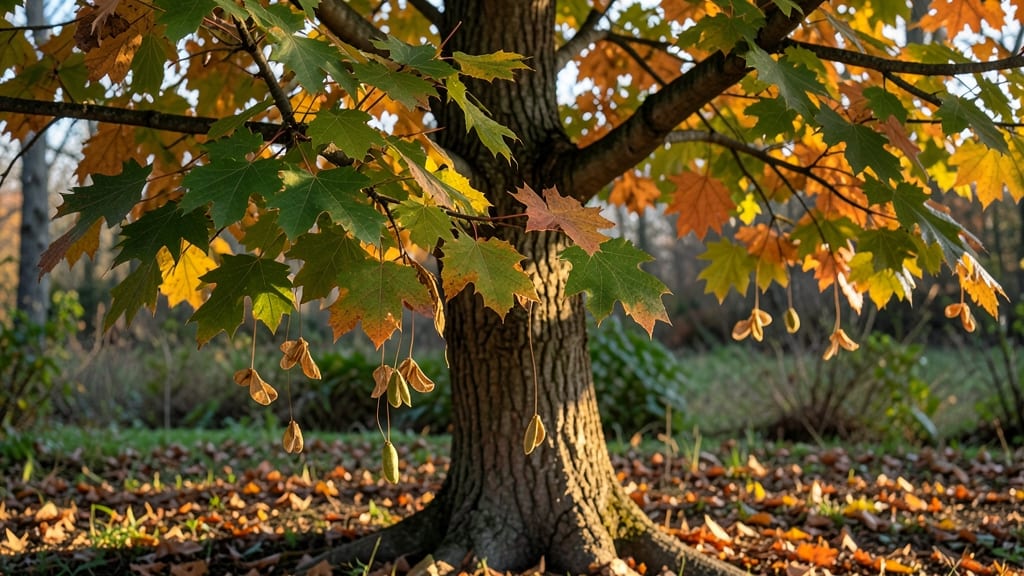
Maple seeds fall between late September and November, turning your yard into a whirlwind of tiny helicopters 🌳 — but the exact timing depends on the species and your climate.
Watching maple seeds spiral to the ground is a magical sight—but knowing when to expect them can help you plan for cleanup, wildlife feeding, or even seed collection. Timing varies wildly by species and climate, and getting it wrong could mean missing the show entirely.
Sugar maples, the classic helicopter seed producers, usually drop theirs in October, while red maples often start earlier, around late September. Meanwhile, silver maples can stretch the show into November, especially in warmer zones.
Below, I break down the exact windows by species and climate, plus how to spot the signs so you’re ready when those seeds start their aerial ballet.
Maple seed drop timing by species: sugar vs. silver vs. red maple
If you've ever watched maple samaras (those iconic "helicopter" seeds) twirl to the ground, you know the moment is fleeting.
But the timing isn't random—it depends entirely on the maple species and your climate zone. Sugar maples, silver maples, and red maples all release seeds at different times, sometimes weeks apart. Knowing these differences helps you plan for cleanup, wildlife feeding, or even seed collection for propagation.
Most gardeners assume all maples drop seeds in autumn, but that's not always true. Silver maples often release seeds as early as late spring, while sugar maples and red maples typically wait until late summer or early fall.
These variations matter—especially if you're trying to prevent invasive seedlings or harvest seeds for planting. Let’s break down the exact timing for each species, including regional adjustments.
Here’s a quick comparison to set expectations before diving deeper:
<comparison-table>| Species | Seed Drop Window | Key Triggers | Regional Variations |
|---|---|---|---|
| Sugar Maple (Acer saccharum) | Late August – October | Leaf color change, 50°F+ temps | Earlier in Zone 5, later in Zone 8 |
| Silver Maple (Acer saccharinum) | April – June (early spring) | New leaf flush, warm rains | Southern Zone 7+: May–July |
| Red Maple (Acer rubrum) | September – November | Frost exposure, leaf drop | Northern Zone 4: Earlier (Aug–Sept) |
Sugar maples are the most predictable, dropping seeds when temperatures consistently hit 50°F or warmer and leaves begin their autumn color shift. In New England, this usually means late September to early October, but in southern states like Georgia or Alabama, sugar maples might wait until November. If you’re in Zone 6 or colder, expect seeds to fall 2–3 weeks earlier than in warmer zones.
Silver maples are the outliers—they release seeds in early spring, often before leaves fully unfurl. This timing makes them highly invasive in lawns and gardens, as seedlings sprout while other plants are still dormant. In northern climates (Zone 5 and up), silver maple seeds may not even form if spring arrives too late. Meanwhile, in Zone 8 and warmer, their seed drop stretches into early summer, coinciding with monsoon rains that help disperse them widely.
Red maples bridge the gap between sugar and silver maples, dropping seeds in late summer to early fall. However, their timing is heavily influenced by frost exposure.
In northern regions (Zone 4–5), red maples may release seeds as early as August, while in southern zones (Zone 7–9), they often wait until October or November.
This species is also more prolific in seed production than sugar maples, so expect a heavier seed drop if you’re near a mature red maple.
Pro tip: If you’re collecting maple seeds for propagation, time your harvest with the peak drop window for your species. For sugar and red maples, this means checking trees weekly in September—seeds are ready when they detach easily and the wings are fully brown.
For silver maples, be ready in late April to early May, as seeds can dry out quickly in spring sun. Store collected seeds in a cool, dry place until planting.
Understanding these timelines also helps with wildlife management. Birds like goldfinches and chickadees rely on maple seeds for food, especially in late autumn. If you notice an unusually early or late seed drop, it could signal climate stress—drought or early freezes often delay seed maturation.
Keep an eye on your local maples, and you’ll start predicting their helicopter shows like a pro.
One common mistake gardeners make is assuming all maple seeds are ready for planting as soon as they hit the ground. In reality, freshly fallen seeds need stratification (a cold period) to germinate successfully.
For sugar and red maples, this means sowing seeds in late fall or storing them in the fridge for 6–8 weeks before planting. Silver maple seeds, however, germinate more readily and can often be sown immediately after collection.
Whether you’re a seed collector, a wildlife enthusiast, or just tired of maple samaras clogging your gutters, knowing your tree’s species is the first step to timing everything perfectly.
Mark your calendar for the peak seed drop in your area, and you’ll never miss the show again—just don’t forget to wear gloves!
Climate Zone impact: when maple seeds fall by USDA hardiness zones
If you've ever wondered why maple seeds appear at different times across the country, the answer lies in your USDA hardiness zone. These zones determine when trees like maples drop their iconic helicopter seeds, with latitude, temperature, and frost dates playing starring roles.
In Zone 6, seeds often start falling as early as late August, while Zone 9 may not see them until October or November. Understanding these shifts helps you time cleanup, wildlife feeding, or seed collection perfectly.
The first frost date is a critical trigger—maples typically release seeds 4-6 weeks before the first expected frost in your area. However, drought stress or unseasonably warm spells can push seeds out earlier.
For example, a silver maple in Zone 7 might drop seeds in September if summer heat arrives early, while a sugar maple in Zone 5 could delay until October if frost lingers.
Here’s how climate zones shift the seed drop window for common maple species:
In drought-prone zones, like parts of Zone 7b, maples may drop seeds 2-3 weeks early to conserve moisture. Conversely, early freezes in Zone 6 can stall seed production entirely, leaving you with a sparse harvest.
Pay attention to local weather patterns—a sudden heatwave in September can trick maples into releasing seeds prematurely, while a cold snap might delay the process until November.
If you’re collecting seeds for planting, aim for the peak drop window in your zone. For example, in Zone 5, gather seeds in early October before they sprout or are eaten by wildlife.
In Zone 9, wait until late October to avoid moisture-related rot. Always check for dry, brown samaras—they’re ready for collection when they spiral effortlessly to the ground.
Pro tip: Mark your calendar based on your zone’s average frost date. Count backward 4-6 weeks to estimate seed drop timing. For Zone 6, that’s around September 15; for Zone 9, it’s closer to October 20.
Adjust for unusual weather, and you’ll never miss the show again! 🌳