
Diseases
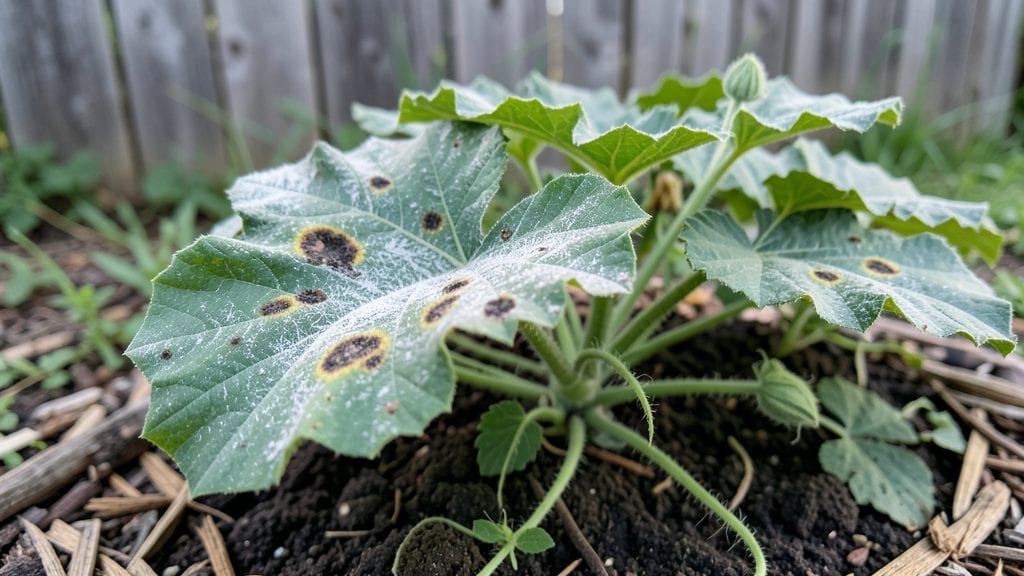
Is your watermelon seedling struggling with watermelon seedling diseases before it even reaches the soil? That heartbreak happens when damping-off and fungal infections strike—often before gardeners even notice.
I’ve lost entire trays of seedlings to these silent killers, and I’m sharing the exact early signs to watch for: mushy stems, yellowing leaves, and that telltale gray fuzz. The good news? Catching it early means saving your crop with simple organic fixes.
Most seedling diseases thrive in crowded, damp conditions—think plastic domes left on too long or overwatering. My first mistake was assuming seedlings needed constant moisture; now I use a spray bottle instead of bottom-watering trays.
The key is airflow: thin seedlings early, space them properly, and avoid overhead watering. Even a 5-minute daily check can prevent a total wipeout.
When you spot trouble, act fast: toss infected seedlings immediately (don’t compost them!) and treat healthy ones with a 1:10 hydrogen peroxide spray or baking soda solution (1 teaspoon per quart of water).
For prevention, I swear by neem oil applied every 7–10 days—it’s the secret weapon that’s stopped outbreaks in my greenhouse for three seasons now.
This isn’t just about saving seedlings—it’s about growing watermelons that thrive from day one. The techniques here work for cucumbers and squash too, so bookmark this for your next planting season. Let’s turn those sad little seedlings into vibrant, disease-free plants ready for the garden.
Root Causes Of Seedling Struggles
Watermelon seedlings are delicate powerhouses—packed with potential but vulnerable to unseen threats. When diseases strike early, it’s rarely a single villain but a mix of environmental stress, microbial invaders, and poor growing conditions.
Understanding why these issues arise is the first step to stopping them before they spread. Let’s break down the science behind the suffering.
Watermelon seedlings thrive in consistent warmth (70–90°F), but extremes—whether too hot or too cold—throw their defenses into chaos. Here’s how misaligned conditions create disease doorways:
- Cold Soil Stress:
When soil temperatures dip below 50°F, seedling roots slow down, weakening their ability to absorb nutrients.
This nutritional starvation makes them prime targets for Pythium and Fusarium fungi, which thrive in waterlogged, chilly conditions. 💡 Pro Tip: Use black plastic mulch or row covers to warm soil faster—aim for at least 60°F before planting.
- Overhead Watering Disasters:
Wet foliage for too long creates the perfect moisture blanket for pathogens like Downy Mildew.
Unlike mature plants, seedlings can’t dry quickly, so even light rain or misting can trigger leaf infections within 24–48 hours. ✨ Key Insight: Water at the base (not overhead) and avoid late-day watering to let leaves dry by sunset.
- Drought Followed by Flooding:
Seedlings that experience sudden drought stress then get drenched are at higher risk for Phytophthora root rot. The stress weakens cell walls, making roots more permeable to fungal invasion. 🎯 Fix: Maintain even moisture (like a damp sponge) and mulch with straw to stabilize soil hydration.
Healthy soil is a battleground—not just for nutrients, but for beneficial vs. harmful microbes. When the bad guys win, seedlings pay the price. Here’s how pathogens exploit weaknesses:
| Pathogen | How It Attacks Seedlings | Trigger Conditions |
|---|---|---|
| Pythium (Oomycete) | Invades roots and stems, causing damping-off (seedlings collapse at soil level). Spreads via zoospores in water. | Cool, waterlogged soil (<60°F), compacted or clay-heavy soil. |
| Fusarium oxysporum | Clogs xylem vessels with toxins, causing wilting and vascular discoloration (brown streaks in stems). Survives in soil for years. | High organic matter + poor drainage, stressed seedlings. |
| Downy Mildew (Pseudoperonospora cubensis) | Forms grayish mold on undersides of leaves, blocking photosynthesis. Spores spread via wind and water. | High humidity (>75%), temperatures 60–80°F, overhead irrigation. |
| Bacterial Soft Rot (Erwinia spp.) | Causes watery, foul-smelling lesions on stems/leaves. Enters through wounds (e.g., from hail or rough handling). | Warm, wet conditions + physical damage to seedlings. |
🔥 Critical Note: Many of these pathogens hibernate in soil or on old crop debris. Rotating crops and solarizing soil (covering with clear plastic for 4–6 weeks) can kill 90% of pathogens before planting.
Seedlings aren’t just fighting microbes—they’re also starving or suffocating. Poor soil chemistry sets them up for failure:
- Nitrogen Overload:
Too much nitrogen (>200 ppm) promotes lush, weak growth with thin cell walls—perfect for fungal entry. It also delays root maturation, leaving seedlings vulnerable longer. 💡 Fix: Use a balanced starter fertilizer (e.g., 5-10-10) and side-dress with compost instead of synthetic N.
- Phosphorus & Potassium Deficiencies:
These nutrients are critical for root development and disease resistance. Low P (<50 ppm) stunts roots, while low K (<200 ppm) weakens cell membranes, making seedlings more susceptible to osmotic stress (pathogens exploit this to enter cells). ✨ Action Step: Test soil and amend with bone meal (P) or greensand (K) before planting.
- Compacted or Anaerobic Soil:
Heavy clay or tillage-compacted soil restricts oxygen to roots, leading to anaerobic conditions where Pythium and Phytophthora flourish. Roots turn black/mushy as they suffocate. 🔪 Solution: Loosen soil with a broadfork or add coarse sand/perlite to improve aeration.
Insects don’t just eat seedlings—they create entry points for diseases. Here’s how:
- Cucumber Beetles:
These striped pests chew stems and deposit bacteria (Erwinia tracheiphila) that cause bacterial wilt. A single beetle can infect an entire seedling tray. 🎯 Prevent: Use row covers or neem oil sprays every 5–7 days.
- Aphids & Whiteflies:
Their honeydew secretions create a sticky film that traps spores and attracts sooty mold. Infested seedlings wilting and yellow as photosynthesis is blocked. 💡 Fix: Blast seedlings with water to dislodge pests or introduce ladybugs as natural predators.
- Cutworms:
These nocturnal caterpillars sever stems at soil level, creating open wounds where Fusarium or Botrytis can invade. 🔥 Stop Them: Wrap stems with cardboard collars or apply diatomaceous earth around the base.
Fixing Seedling Woes Naturally
When your watermelon seedlings show signs of stress or disease, acting fast with the right organic solutions can save your crop. Below, we’ve mapped out targeted fixes for common issues—from fungal infections to nutrient deficiencies—along with prevention tips to keep your seedlings thriving.
Think of this as your organic first-aid kit for watermelon seedlings!
Fungi thrive in damp, warm conditions, so early intervention is key. Here’s how to tackle them:
🔥 Remove Infected Plants Immediately
- Snip off or pull any seedlings showing white powder, yellow spots, or blackened stems. Do not compost them—this spreads spores. Dispose of them in a sealed bag or burn them (if safe in your area).
- Pro Tip: Work in the early morning when humidity is lower to reduce spore spread. 🌡️
🍳 Apply Organic Fungicides
Use these spray solutions every 7–10 days until symptoms disappear:
- Baking Soda Spray: Mix 1 tbsp baking soda + 1 tsp dish soap + 1 gallon water. Spray undersides of leaves where fungi love to hide.
- Neem Oil: Combine 1 tbsp neem oil + 1 tsp mild soap + 1 quart water. Shake well and spray at dusk to avoid burning seedlings.
- Copper-Based Fungicide: Use organic copper sprays (like Copper Soap) as a last resort—it’s effective but can be harsh on plants if overused.
🌱 Improve Airflow and Drainage
- Space seedlings 12–18 inches apart to reduce humidity buildup.
- Water at the base (not overhead) and use drip irrigation or soaker hoses.
- Add a 1-inch layer of gravel or perlite to pots to prevent soggy roots.
Pests weaken seedlings, making them susceptible to disease. Here’s how to evict them:
👨🍳 Blast Off Pests with Water
- Aphids/Spider Mites: Use a strong stream of water to knock them off leaves. Repeat every 2–3 days.
- Cucumber Beetles: Handpick adults and drop them in soapy water. Pro Tip: Place yellow sticky traps near seedlings to catch beetles early. 🎯
🔪 Introduce Beneficial Insects
- Release ladybugs, lacewings, or parasitic wasps (available at garden centers) to hunt pests naturally.
- Plant marigolds or nasturtiums nearby—they repel pests and attract predator insects.
🥘 Use Homemade Sprays
- Soap Spray: Mix 2 tbsp castile soap + 1 quart water. Spray directly on pests (avoid hot sun).
- Garlic Chili Spray: Blend 2 garlic cloves + 1 tbsp cayenne pepper + 1 quart water. Strain and spray weekly to deter beetles.
Deficiencies often stem from poor soil or overwatering. Fix them with these targeted boosts:
📊 Diagnose the Problem
Check leaf color to identify the issue:
Symptom Likely Deficiency Quick Fix Yellow lower leaves Nitrogen Add compost tea or fish emulsion (diluted to 1 tbsp/gallon). Purple stems/leaves Phosphorus Use bone meal (1 tbsp per plant) or rock phosphate. Yellow veins, weak growth Magnesium (Potassium) Apply Epsom salt (1 tbsp/gallon water) or wood ash lightly. ⏰ Adjust Watering Habits
- Overwatering? Let soil dry slightly between waterings. Use a moisture meter for accuracy.
- Underwatering? Water deeply 1–2 times per week (check soil 1 inch down).
💡 Soil Amendments for Long-Term Health
- Mix in well-rotted compost or worm castings (2–3 inches) before planting.
- For container seedlings, repot into fresh, sterilized potting mix every 4–6 weeks.
An ounce of prevention is worth a pound of cure! Use these strategies to avoid future problems:
- 🌡️ Start Seeds Indoors (if your climate is cool): Transplant outdoors only after soil temps reach 70°F+ to avoid damping-off.
- ✨ Sterilize Tools & Soil: Wash pots, tools, and soil with a 10% bleach solution (1 part bleach to 9 parts water) before reuse.
- 🌿 Rotate Crops: Avoid planting watermelons in the same spot yearly to prevent soil-borne diseases.
- 🌱 Use Row Covers: Lightweight fabric covers shield seedlings from pests and mildew while allowing sunlight.
With these organic fixes and preventive steps, your watermelon seedlings will stand strong and healthy, ready to grow into juicy, vine-ripened fruit. Happy gardening! 🍉🌱
Frequently asked questions about watermelon seedling diseases
1What are the first signs my watermelon seedlings might have a fungal disease?
Look for mushy stems at soil level (damping-off), yellowing leaves, or grayish fuzz on stems and leaves. Downy mildew appears as purple spots on top leaves with fuzzy growth underneath. Act fast—remove infected plants immediately to stop spread.
2Can I save seedlings already showing damping-off symptoms?
Unfortunately, no. Once damping-off sets in, the seedling is usually too far gone to recover. Your best move is to remove all infected seedlings, sterilize your containers with a 10% bleach solution, and treat healthy seedlings with a neem oil spray to prevent further outbreaks.
3How often should I spray neem oil to prevent diseases?
Apply neem oil every 7–10 days as a preventive measure, especially during humid conditions. For active infections, spray every 5–7 days at dusk to avoid leaf burn. Always mix with a drop of mild soap to help it stick to leaves.
4Why do my seedlings get diseases even when I water at the base?
Overcrowding and poor airflow are often the culprits. Seedlings need 12–18 inches of space between plants to allow air circulation. Also, check your humidity levels—high humidity (>75%) creates perfect conditions for fungal spores to thrive, even with proper watering techniques.
5Is it safe to compost diseased watermelon seedlings?
No! Composting infected plants spreads pathogens to your compost pile, where they can survive and reinfect future crops. Always dispose of diseased seedlings in a sealed trash bag or burn them (if safe in your area) to prevent contamination.