Pests and Diseases
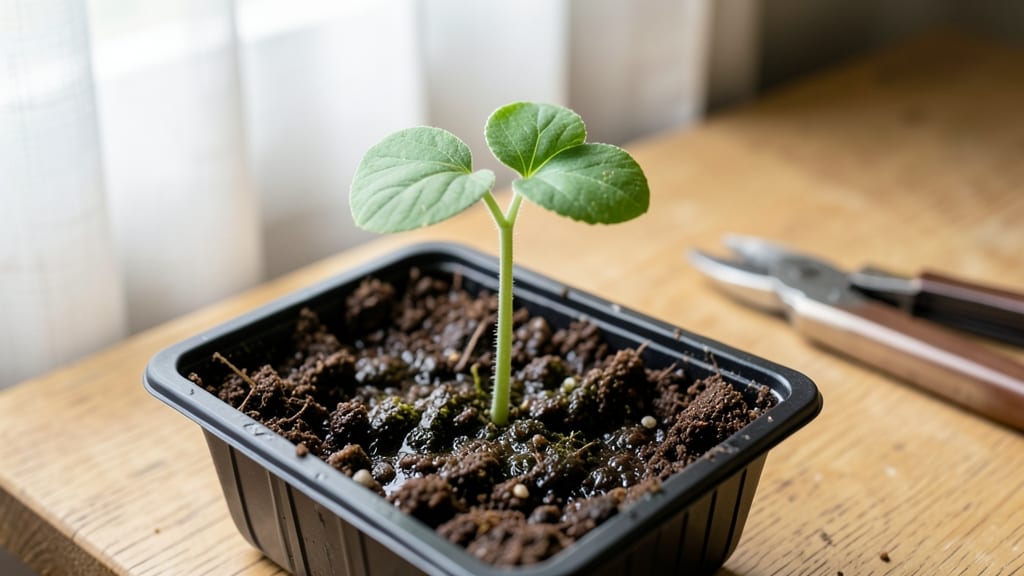
When your seedlings hit the two-leaf stage, that’s your cue to start cold stratification for stronger roots and bigger blooms. 🌱 I’ve learned the hard way that rushing this step means leggy, weak plants that bolt before flowering.
The trick is patience—letting those tiny seedlings toughen up in cooler temps before transplanting.
Most gardeners skip this step, but cold stratification mimics nature’s timing for plants like tomatoes, peppers, and snapdragons. You’ll need a cold frame, greenhouse, or even a shaded porch for 10-14 days—just enough to harden them without shocking the roots.
Overwatering here is the biggest mistake; let the soil dry slightly between waterings.
By the time you transplant, those seedlings will be stocky and ready to thrive. You’ll notice deeper green leaves and a root system that’s actually ready to handle real soil. The payoff? Plants that bloom 2-3 weeks earlier than those rushed straight into warm beds.
Works for cool-season crops too—just adjust the timing. Whether you’re growing flowers or veggies, this method cuts down on transplant shock and gives you a head start on the growing season.
Root Causes of Stunted Seedling Growth
Understanding why your seedlings stall at the two-leaf stage is the first step toward fixing the issue. While cold stratification is a game-changer for many plants, it’s not a magic bullet—poor execution or overlooked factors can derail germination and early growth.
Below, we break down the key culprits behind this frustrating setback, backed by science and actionable insights.
Cold stratification mimics the natural winter chilling period many seeds need to break dormancy. But if this process isn’t done correctly, seeds may germinate weakly—or not at all.
- Too Short a Chill Period: Some seeds (like trilliums or hellebores) require 4–12 weeks of cold exposure.
Rushing the process can leave seeds metabolically "asleep," unable to sprout past the two-leaf stage. - Actionable fix: Research your specific seed’s needs—hardwood maples may need 8–12 weeks, while some perennials thrive with just 4 weeks. - Incorrect Temperature Range: Most seeds need 34–40°F (1–4°C).
Warmer temps (above 50°F/10°C) can trick seeds into premature germination, exhausting their energy reserves before they’ve developed roots. - Pro tip: Use a refrigerator with a crisper drawer (not the freezer!) for consistent, safe stratification. - Moisture Imbalance During Chilling: Seeds must stay moist but not soggy during stratification.
Too little moisture halts germination; too much can cause rot. - Science note: The hydropriming process (soaking seeds briefly before chilling) can help, but over-soaking leaches nutrients.
Once seeds emerge from cold treatment, the real growth battle begins—and water is the #1 enemy or ally here.
- Overwatering: Soggy soil suffocates roots and invites fungal pathogens (like Pythium), which attack delicate seedlings at the two-leaf stage. - Signs: Black, mushy stems or seedlings that topple over. - Fix: Use well-draining mixes (e.g., 50% peat moss, 30% perlite, 20% vermiculite) and water only when the top inch is dry. - Underwatering: Young roots are tiny and struggle to reach moisture.
Without consistent hydration, seedlings wilts or halts growth. - Actionable fix: Bottom-water seedlings (place trays in a shallow tray of water) to encourage even moisture uptake. - Poor Drainage: Trapped water at the bottom of pots creates anaerobic conditions, starving roots of oxygen. - Pro tip: Poke drainage holes in seedling trays and elevate them on a wire rack.
Seeds may sprout during stratification, but post-germination temps can stall growth if they’re too cold or too hot.
- Too Cold (Below 55°F/13°C): Slows metabolism, leading to etiolated (leggy, weak) seedlings that struggle to photosynthesize.
- Fix: Move seedlings to a warm (65–75°F/18–24°C), bright spot (like a sunny windowsill or grow light).
- Too Hot (Above 80°F/27°C): Speeds up transpiration (water loss) faster than roots can absorb moisture, causing crispy leaves.
- Science note: Ideal temps for most seedlings hover around 70°F (21°C)—use a heat mat if needed.
- Drafts or Cold Spots: Uneven heat distribution (e.g., near a window at night) can shock seedlings.
- Actionable fix: Use a seedling heat mat on low setting or place trays on a thermostat-controlled heat pad.
Seedlings at the two-leaf stage are tiny but hungry—they need micro-nutrients to build cell walls and roots.
- Lack of Phosphorus (P): Critical for root development.
A deficiency shows as dark green leaves with purple stems. - Fix: Use a balanced starter fertilizer (e.g., 5-10-5 NPK ratio) diluted to half-strength 1–2 weeks after germination. - Nitrogen Shock: Too much nitrogen (common in fresh manure or high-N fertilizers) burns young roots. - Pro tip: Avoid fertilizing until the third leaf appears—seedlings absorb nutrients through the seed coat initially. - Compacted or Sterile Soil: Over-sterilized soil (e.g., boiled or chemically treated) lacks beneficial microbes that help seedlings uptake nutrients. - Solution: Mix in compost tea or mycorrhizal fungi to boost soil biology.
Tiny invaders can devour seedlings before you notice, leaving behind stunted, two-leaf victims.
- Fungal Diseases (Damping-Off):
- Causes: Rhizoctonia or Pythium thrive in overly wet, warm conditions.
- Signs: Seedlings collapse at soil level or develop gray mold.
- Fix: Water early in the day so soil dries faster, and treat with copper fungicide or neem oil as a preventative.
- Insect Pests (Fungus Gnats, Aphids):
- Damage: Larvae chew roots; adults suck sap, weakening seedlings.
- Actionable fix: Use yellow sticky traps and sand top-dressing to deter eggs.
Light is the fuel for photosynthesis, but seedlings need the right balance to avoid stunting.
- Insufficient Light:
- Result: Etiolation—seedlings stretch toward light, becoming weak and leggy with small, pale leaves.
- Fix: Provide 12–16 hours of light daily using grow lights (LED or fluorescent) 2–3 inches above seedlings.
- Too Much Direct Sun:
- Risk: Leaf scorch or heat stress, especially in clear plastic domes.
- Solution: Use shade cloth (30–50%) or move seedlings to an indirect light spot.
Not all seeds are created equal—and some simply won’t grow due to age or quality.
- Old or Poor-Quality Seeds: - Signs: Low germination rates, weak seedlings that die at the two-leaf stage. - Fix: Test viability by soaking seeds in water—floaters are likely dead.
Source seeds from reputable suppliers (e.g., Baker Creek, Johnny’s Selected Seeds). - Hybrid or F1 Seeds: - Note: Some hybrid varieties are bred for specific conditions and may struggle if stratification isn’t tailored to their parent lines.
Most two-leaf seedlings don’t fail due to one factor—it’s usually a combo of moisture, light, and temperature mismatches. Start by auditing your setup: 1. Did you stratify long enough? (Check seed packet guidelines.)
- Is your soil too wet or too dry? (Stick your finger in—it should feel like a damp sponge.)
- Are seedlings in consistent warmth? (Use a thermometer to monitor temps.)
- Are pests or fungi lurking? (Inspect leaves and soil for signs.)
By tackling these root causes, you’ll give your seedlings the boost they need to break free from the two-leaf stage—and thrive!
Fixing Your Seedling’s Struggles
Cold stratification is a powerful tool for jumpstarting growth, but sometimes young seedlings—especially those at the two-leaf stage—can still face setbacks.
Whether your sprouts are wilting, rotting, or just not thriving, these targeted solutions will help you diagnose and resolve common issues while keeping your plants on track for strong blooms.
Cause: Insufficient light, improper moisture, or premature removal from cold stratification. Fix:
- 🔥 Boost Light Exposure: Move seedlings to a bright, indirect light source (like a south-facing window or grow lights). Aim for 12–16 hours of light daily to prevent leggy, weak stems.
- 💧 Adjust Watering: Overwatering or soggy soil can suffocate roots. Water only when the top inch of soil feels dry, and ensure pots have drainage holes.
- ⏳ Extend Cold Stratification (If Needed): If seeds germinated too early, return them to the fridge for 1–2 more weeks to mimic natural winter conditions before transplanting.
Prevention Tip: 💡 Use a humidity dome or plastic wrap to retain moisture while seedlings adjust to warmer temps after stratification.
Cause: Excess moisture, poor airflow, or contaminated soil. Fix:
- 🍳 Repot in Fresh, Sterile Mix: If roots look mushy or black, transfer seedlings to new, well-draining potting mix (add perlite or vermiculite to improve aeration).
- 👨🍳 Improve Air Circulation: Space seedlings 2–3 inches apart and use a small fan on low setting (2–3 hours/day) to reduce humidity around leaves.
- 🌡️ Fungicide Treatment (If Needed): Spray seedlings with a diluted hydrogen peroxide solution (1 tbsp per cup of water) or neem oil to prevent fungal spores.
Prevention Tip: ✨ Sterilize tools and pots with rubbing alcohol before handling seedlings to avoid cross-contamination.
Cause: Nutrient deficiency, transplant shock, or overwatering. Fix:
- 🥘 Check for Nutrient Deficiency: Yellow lower leaves often signal nitrogen deficiency. Use a balanced liquid fertilizer (diluted to half strength) every 2 weeks once true leaves appear.
- 🔪 Gently Transplant (If Needed): If leaves wilted after moving pots, trim any damaged foliage and keep seedlings in shade for 2–3 days to recover.
- 📊 Monitor Watering: Drooping can mean underwatering (crispy edges) or overwatering (soft, mushy stems). Adjust based on soil moisture tests.
Prevention Tip: 🎯 Harden off seedlings gradually by exposing them to outdoor conditions for 10–15 minutes daily before full transplant.
Cause: Tiny pests (like aphids or fungus gnats) hitchhiking from soil or tools. Fix:
- 🔪 Isolate Infested Seedlings: Quarantine affected plants immediately to prevent spread.
- 🌡️ Use Insecticidal Soap or Neem Oil: Spray lightly on leaves (avoid oversaturating soil). Repeat every 3–5 days until pests vanish.
- 💡 Prevent Future Infestations: Sift soil before use and avoid overwatering, which attracts gnats.
Final Pro Tip: 🌟 Keep a seedling journal! Track watering, light, and stratification dates to spot patterns in what works (or doesn’t) for your specific plants. Happy growing!
Frequently asked questions
What plants typically reach the two-leaf seedling stage?
Most dicotyledonous plants—like tomatoes, peppers, snapdragons, and marigolds—enter this stage. These seedlings have two simple, rounded leaves (cotyledons) before developing true leaves. Monocots (like grasses) usually skip this stage entirely, so you won’t see it in wheat or corn.
How long should I keep seedlings at the two-leaf stage before transplanting?
Cold stratification for 10-14 days is ideal for hardening off seedlings. After this, monitor for true leaves—once they appear, your seedlings are ready for transplant. Rushing this step can shock delicate roots, while delaying too long risks overcrowding in trays.
Why are my two-leaf seedlings turning yellow?
Yellowing often signals overwatering or nutrient deficiency. Check soil moisture—it should feel like a damp sponge, not soggy. If roots look mushy, repot in fresh, well-draining mix. For nutrients, use a diluted starter fertilizer (5-10-5 NPK) once true leaves appear.
Can I transplant two-leaf seedlings directly outdoors?
Only if your climate is mild and frost-free. Most seedlings need 7-10 days of hardening off first—gradually expose them to outdoor conditions for 10-15 minutes daily. For cooler regions, wait until nighttime temps stay above 50°F (10°C) to avoid shock.
What’s the difference between a two-leaf seedling and a true-leaf seedling?
Two-leaf seedlings have only their first pair of cotyledons (seed leaves), which look simple and rounded. True leaves appear later and have distinct veins/edges. The transition marks when seedlings can handle more nutrients and light—this is when you should start fertilizing.