Pruning
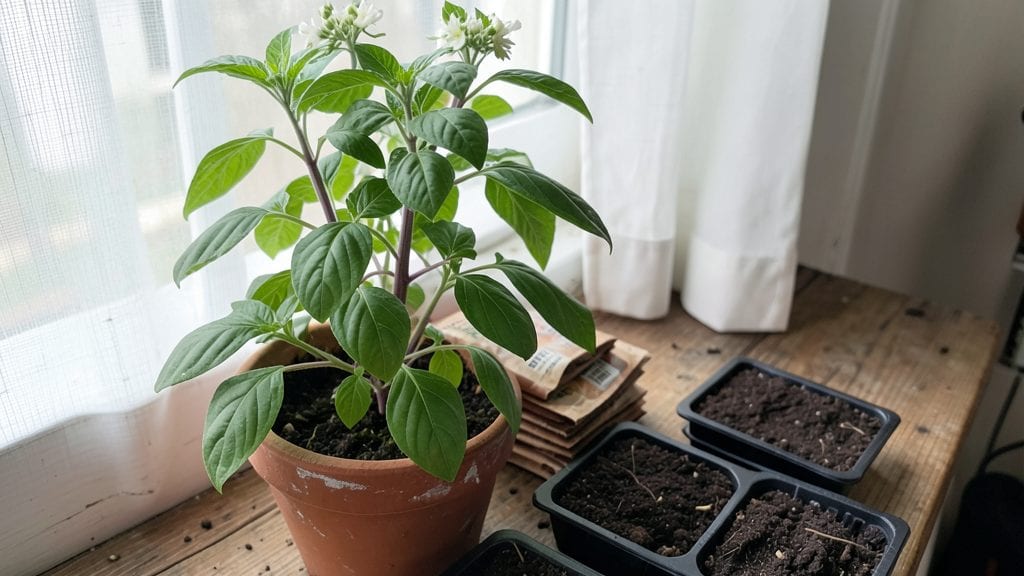
Growing tree basil from seeds unlocks a year-round harvest of fragrant, upright stems perfect for pesto, garnishes, or fresh eating. I’ve grown this variety for three winters in my kitchen, and the difference from regular basil is night and day—those towering stems keep producing leaves long after bush varieties fade.
The secret starts with the right soil mix and patience during germination, but once those first leaves appear, you’re on your way to a self-replenishing herb factory.
You’ll need just three simple supplies: organic potting mix, a shallow seed tray, and a grow light or sunny windowsill. Tree basil seeds germinate slower than regular basil—sometimes taking 14-21 days—so don’t rush the process.
Keep the soil lightly moist (not soggy) and maintain 70-75°F temperatures for best results. Once sprouted, thin seedlings to 2 inches apart to prevent overcrowding, which leads to leggy, weak plants.
Within 6-8 weeks, you’ll have sturdy 12-inch stems ready for pruning. The key to year-round growth is harvesting the top 2-3 sets of leaves regularly—this encourages bushier growth and prevents the plant from flowering too soon.
My kitchen windowsill basil has lasted over a year with proper care, and the flavor stays vibrant even in winter. The upright habit makes it perfect for hanging baskets or small pots, too.
Fair warning: tree basil grows faster than regular basil, so expect to prune often. If you notice yellowing leaves, it’s usually from overwatering or poor drainage—always use pots with drainage holes.
With the right setup, you’ll enjoy fresh basil every month of the year, even in winter. Let’s get those seeds started!
📚 In This Guide
- What you need
- Instructions
- Tips and common mistakes
- Wrapping up and next steps
What you need
- ● Tree basil seeds – 5-10 seeds (look for Ocimum basilicum varieties like "Genovese" or "Spicy Globe").
- ● Seed-starting mix – 1 small tray (10x20 inches) or 4-6 biodegradable pots (2-3 inches deep).
- ● Growing containers – 1 large pot (12+ inches in diameter) or a garden bed with well-draining soil.
- ● Watering can or spray bottle – For gentle hydration (avoid over-saturating seeds!).
- ● Grow lights or sunny windowsill – 6+ hours of direct light daily (south-facing is ideal).
- ○ Fertilizer (optional but recommended) – Balanced liquid fertilizer (e.g., 10-10-10) or compost tea for young plants.
- ● Humidity dome or plastic wrap – To retain moisture while seeds germinate.
- ● pH testing kit – Ensures soil pH is 6.0-7.0 (tree basil thrives in slightly acidic soil).
- ● Pruning shears – For shaping your basil tree as it grows (prune to encourage bushiness!).
- ● Trellis or small stake – Supports taller varieties if needed.
- ● Mulch or straw – Retains soil moisture in outdoor setups.
Step-by-step instructions for growing tree basil from seeds
Here’s how to coax those delicate tree basil seedlings into lush, woodier plants that keep producing leaves all year.
Prepare Containers and Seed Starting Mix
Use the 4-inch pots from your materials list—tree basil roots need room to spread, and these containers give them just enough space to establish before transplanting. Fill each pot with 2 cups of seed-starting mix, pressing it down gently to remove air pockets. The mix should feel like a damp sponge, not muddy or clumpy. I like to tap the sides of the pot once or twice to settle the soil evenly—this prevents uneven moisture distribution later.
Tree basil seeds are tiny, so I use a toothpick to create small holes about ¼ inch deep in the soil. Drop 2-3 seeds into each hole—this gives you backup in case one doesn’t germinate. Cover them lightly with a sprinkle of extra mix, just enough to hide the seeds but not bury them too deep. Over-planting now saves headaches later when you’re thinning.
Create Ideal Germination Conditions
Place the pots in a warm spot, ideally between 75-85°F, which mimics the heat tree basil loves. A seedling heat mat works wonders here—just lay it underneath the pots and plug it in. Without extra warmth, germination can take 10-14 days instead of the 5-7 days you’ll see with consistent heat. Keep the soil consistently moist by misting it lightly every 1-2 days, but never let it sit in water.
Once the seeds sprout, remove the heat mat immediately—tree basil seedlings are sensitive to overheating once they’ve broken through the soil. Place them under grow lights for 14-16 hours daily, keeping the lights 2-3 inches above the seedlings. You’ll know they’re getting enough light when the first true leaves (not the initial seed leaves) appear dark green and sturdy, not pale or stretched.
Thin and Transplant for Stronger Growth
When the seedlings reach 2 inches tall, use small scissors to snip the weakest one in each pot, leaving the strongest. This might sound harsh, but crowded seedlings compete for nutrients and light, leading to leggy, weak plants. After thinning, transplant the remaining seedling into a 6-inch pot filled with 3 cups of potting mix, pressing the soil gently around the stem to secure it without compacting.
Tree basil thrives with full sun, so move the pots to the brightest window or under grow lights for 6+ hours daily. If you notice the leaves stretching toward the light or turning pale, the plant needs more intensity. Rotate the pots quarter-turn daily to encourage even growth. Water when the top inch of soil feels dry, but avoid soggy soil—tree basil roots rot quickly in waterlogged conditions.
Prune and Harvest for Year-Round Production
Once your tree basil reaches 6 inches tall, it’s ready for its first pruning. Pinch off the top set of leaves just above a pair of healthy leaves—this encourages bushier growth. Repeat this pruning every 4-6 weeks to maintain shape and stimulate new leaf production. You’ll see side shoots forming within 2-3 weeks, signaling the plant is thriving.
Harvest leaves anytime they reach 2-3 inches long, but never take more than ⅓ of the plant at once. This keeps the basil productive without stressing it. If your tree basil flowers, snip them off immediately—basil puts energy into blooms instead of leaves, and the flavor suffers. With consistent care, your tree basil will keep producing fresh leaves for months, making it the ultimate indoor herb garden staple.
Tips & tricks for perfect tree basil growth
These game-changing insights will transform your tiny tree basil seeds into a thriving, year-round herb powerhouse—no green thumb required!
Seed Planting Precision: The ¼-inch depth for planting those minuscule tree basil seeds is non-negotiable. Any deeper and they’ll struggle to surface, while shallower planting risks exposing them to drying out. I’ve found using a toothpick to create these precise holes eliminates guesswork—just tap it gently into the soil to make the perfect seed bed. For extra insurance, lightly mist the soil after planting to create a mini greenhouse effect that encourages faster germination.
Heat Management: Maintaining that 75-85°F range during germination is absolutely critical—tree basil seeds are tropical plants at heart. I’ve discovered the sweet spot is actually 80°F: this temperature consistently delivers those 5-7 day germination times rather than the 10-14 days you’d get at cooler temperatures. A simple seedling heat mat under your 4-inch pots works wonders, but if you don’t have one, place the pots on top of your refrigerator (not inside!) for reliable warmth.
Lighting Strategy: Those 14-16 hours of daily grow light exposure in Step 2 are your secret weapon against leggy seedlings. I recommend positioning your lights just 2-3 inches above the plants—any closer risks burning the delicate leaves, while any farther creates those stretched, weak stems we all dread. Pro tip: Use a small clip to attach a ruler to your light fixture so you can easily adjust the height as your seedlings grow. The moment you see those first true leaves turning dark green and sturdy, you’ve nailed the lighting.
Transplanting Technique: When moving your 2-inch seedlings to 6-inch pots, I’ve found the key is in the soil handling. Fill your new pots with 3 cups of potting mix, then create a small depression in the center before placing your seedling. Gently press the surrounding soil to secure the plant without compacting—this creates better root contact. After transplanting, give the pots a gentle shake to help settle the soil around the roots, then water thoroughly but carefully to avoid displacing the plant.
Pro Tips for Tree Basil Seeds
- These game-changing insights will transform your tiny tree basil seeds into a thriving, year-round herb powerhouse—no green thumb required!
- Seed Planting Precision: The ¼-inch depth for planting those minuscule tree basil seeds is non-negotiable.
- Heat Management: Maintaining that 75-85°F range during germination is absolutely critical—tree basil seeds are tropical plants at heart.
Frequently asked questions
Got questions about growing tree basil from seeds? You’re not alone! Here are some of the most common concerns—and their straightforward answers—to help you cultivate a thriving, year-round basil harvest.
How long does it take for tree basil seeds to germinate?
Tree basil seeds typically sprout within 7 to 14 days when kept in warm (70–80°F), moist conditions. Use a seedling heat mat if your home runs cool, and keep the soil consistently damp (not soggy). Patience is key—some seeds may take up to 3 weeks, especially in cooler environments.
Can I grow tree basil indoors year-round, or do I need sunlight?
Yes! Tree basil thrives indoors with 6–8 hours of bright, indirect light daily. A south-facing window or a grow light works well. Without enough light, stems will stretch (called "legginess"), and leaves may turn pale. Supplement with a grow light if natural light is limited—your basil will thank you with lush, flavorful growth!
What’s the best soil mix for tree basil seeds?
Use a light, well-draining potting mix with added perlite or vermiculite (30–40%) to prevent root rot. A 50/50 blend of peat moss and coco coir works great, or opt for a pre-mixed seed-starting mix. Avoid heavy garden soil—it compacts easily and suffocates delicate seedlings.
Why are my tree basil seedlings dying or turning yellow?
Yellowing leaves or wilting often signal overwatering, poor drainage, or fungal issues. Let the top inch of soil dry out between waterings, and ensure pots have drainage holes. If mold appears, reduce humidity (use a fan) and avoid wetting leaves. Pro tip: Yellowing lower leaves are normal as the plant matures, but upper leaves should stay vibrant!
Can I use regular basil seeds instead of tree basil seeds?
Not exactly! While regular basil seeds will grow, tree basil (Ocimum basilicum ‘Tree Basil’) is a dwarf variety bred for compact, bushy growth and continuous harvests. It’s more cold-hardy and productive than standard basil. If you’re set on tree basil’s benefits, stick with the seeds—but regular basil works for quick harvests if you’re in a pinch!
Wrapping up and next steps
Growing tree basil seeds is a rewarding way to enjoy fresh, aromatic herbs all year long—no matter your green thumb level! With the right setup, patience, and care, you’ll soon be harvesting vibrant leaves for cooking, teas, or even homemade remedies. 🌱
Ready to take the next step? Start with a small batch of seeds, experiment with your setup, and watch your mini basil forest thrive. Before you know it, you’ll be sharing your sprouts with friends or expanding your indoor garden. Happy growing!