
Propagation
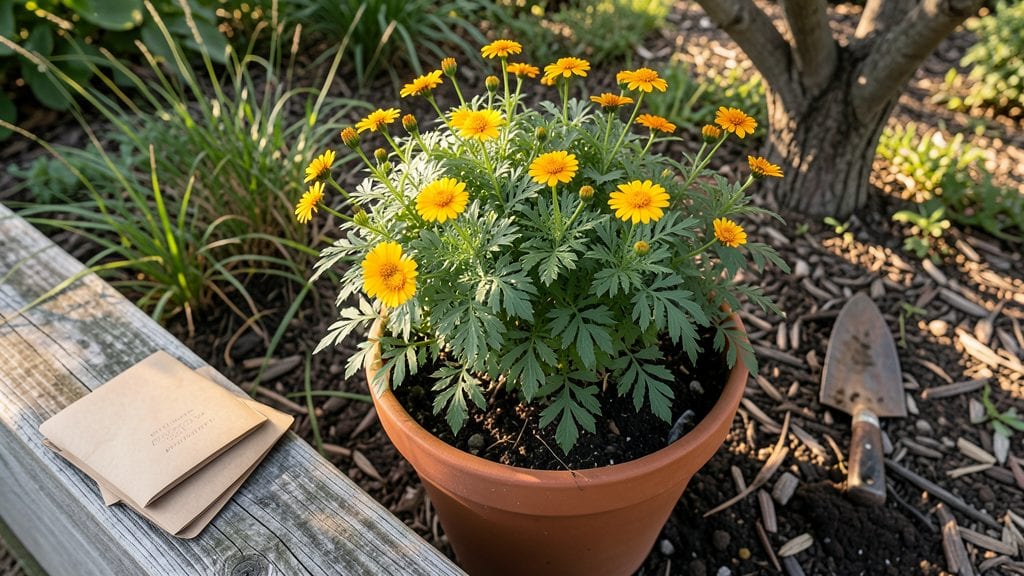
Growing Tagetes lucida from seeds unlocks a fragrant, sun-loving perennial that doubles as a privacy screen and kitchen herb. 🌿 The first time I planted these seeds, I was skeptical—until the delicate citrusy scent filled my garden by midsummer.
These aren’t your average marigolds; they’re woody shrubs that thrive in heat and spread slowly, making them perfect for borders or containers.
You’ll need well-draining soil mixed with compost, a sunny spot with at least 6 hours of direct light daily, and patience—germination can take 2-4 weeks if the soil stays consistently moist but not soggy.
Space seeds 12-18 inches apart since they’ll grow 3-5 feet tall over time. The key to success? Thin seedlings early to avoid overcrowding, which leads to leggy, weak plants.
By late summer, you’ll have lush, fragrant foliage that repels pests naturally while adding texture to your garden. The leaves release a lemony aroma when crushed—perfect for flavoring teas, marinades, or even homemade insect repellent.
Just watch for spider mites in dry heat; a simple spray of water usually keeps them at bay.
Once established, Tagetes lucida needs minimal care beyond occasional pruning to shape it. In colder zones, mulch heavily to protect roots over winter. The best part? These plants multiply over time, giving you free divisions for friends or new garden spots.
Start small, and you’ll soon have a fragrant, low-maintenance staple in your landscape.
📚 In This Guide
- What you need
- Instructions
- Tips and common mistakes
- Wrapping up and next steps
What you need
- ● Tagetes lucida seeds: 10–20 seeds (start small if testing viability). Opt for organic, non-GMO seeds for best results.
- ● Seed-starting trays or small pots: 2–4 (2–3 inches deep) with drainage holes. Biodegradable pots are eco-friendly!
- ● Seed-starting mix: 1–2 cups of sterile, well-draining potting soil (avoid garden soil—it’s too dense!).
- ● Watering can or spray bottle: With a fine mist nozzle for gentle hydration.
- ● Plastic wrap or humidity dome: To retain moisture while seeds germinate.
- ● Grow lights or sunny windowsill: A south-facing window or LED grow lights (12–16 hours/day) for seedlings.
- ● Plant labels: Small sticks or tags to mark your trays (trust us, you’ll forget what’s what!).
- ● Heat mat: Speeds up germination (70–75°F is ideal for Tagetes seeds).
- ● Fertilizer: A balanced, water-soluble fertilizer (5-10-5 ratio) for seedlings once they sprout.
- ● Tweezers: For delicate seed placement (especially if seeds are tiny).
- ● Pruning shears: For future trimming once plants mature.
- ● Compost or worm castings: Boosts soil health when transplanting outdoors.
Step-by-Step instructions for growing Tagetes lucida seeds
This fragrant perennial thrives with minimal fuss—just follow these simple steps for lush, sun-loving screens.
🌱 Step 1: Prepare Containers and Seed Starting Mix
Fill small 2-3 inch deep pots with a well-draining mix of 50% potting soil and 50% perlite to prevent root rot. Tagetes lucida hates soggy conditions, so this blend ensures proper aeration. Moisten the mix until it's damp but not waterlogged—think of a wrung-out sponge.
Press the soil down lightly to create a firm planting surface. This prevents seeds from floating during watering. I like to use biodegradable pots so I can transplant seedlings without disturbing their delicate roots later. Tap the container gently on the table once to settle everything evenly.
🌱 Step 2: Sow Seeds at the Right Depth
Scatter 2-3 seeds per pot on the soil surface—Tagetes lucida seeds are tiny, so I use tweezers to place them precisely. Press them lightly into the mix with your fingertip, just enough to make contact without burying them. These seeds need light to germinate, so covering them would delay sprouting.
Mist the surface gently with a spray bottle until evenly moist. Avoid heavy watering, which can dislodge seeds. Place the pots in a warm, bright location where temperatures stay between 70-75°F. You should see sprouts within 7-14 days—patience is key here.
☀️ Step 3: Provide Bright Light and Gradual Acclimation
Once seedlings emerge, move them to a location with 6+ hours of direct sunlight daily. A south-facing window works well, but supplement with a grow light if natural light is insufficient. Leggy seedlings (long, thin stems) mean your light source is too weak—adjust immediately.
After 2-3 weeks, when seedlings have 2-3 sets of true leaves, begin hardening them off. Place pots outside in a sheltered spot for 1-2 hours daily, gradually increasing exposure over 7-10 days. This prepares them for outdoor planting and prevents transplant shock.
🪴 Step 4: Transplant to Final Location
Choose a sunny spot with well-draining soil—Tagetes lucida thrives in full sun and poor soil conditions. Space plants 12-18 inches apart to allow airflow and prevent fungal diseases. Dig holes slightly deeper than the seedling pots to accommodate roots without bending stems.
Water deeply after transplanting to settle the soil and encourage root establishment. Mulch lightly with 1-2 inches of straw mulch to retain moisture and suppress weeds. Avoid overwatering—Tagetes lucida is drought-tolerant once established.
✂️ Step 5: Maintain for Long-Term Growth
Prune regularly to encourage bushier growth and prevent legginess. Cut back stems by ⅓ their length in early spring to stimulate new foliage. Deadhead spent flowers to redirect energy into leaf production—this is where the fragrant foliage really shines.
Fertilize lightly once a year in early spring with a balanced 10-10-10 fertilizer. Tagetes lucida is low-maintenance but responds well to occasional feeding. Watch for pests like aphids—spray with soapy water if needed, but this hardy plant rarely struggles in ideal conditions.
Tips & tricks for perfect Tagetes lucida seedlings
These game-changing tips will transform your fragrant privacy screen from a hopeful experiment into a lush, thriving reality—with minimal effort.
The Light Factor: Tagetes lucida seedlings absolutely crave sunlight, but don't rush them into full sun too soon. In Step 3, when you're providing 6+ hours of direct sunlight, start with partial shade if your seedlings appear pale or leggy. Gradually increase exposure over 3-4 days to prevent sunburn. I've seen seedlings go from wimpy to robust just by easing them into full sun this way. The key is watching for that perfect medium-green color—anything lighter means more light is needed, anything darker means they're getting too much too fast.
Seedling Survival Strategy: In Step 2, when you're waiting for those 7-14 days of germination, resist the urge to check daily! The seeds need consistent moisture and warmth at 70-75°F to sprout. I place a humidity dome (or even a plastic bag with holes) over the pots during this time—it creates the tropical conditions these seeds love. Remove it once sprouts appear to prevent mold. Pro tip: Use a pencil to label your pots before covering, as condensation will make them unreadable!
Transplanting Wisdom: The 12-18 inch spacing in Step 4 might seem generous, but trust me—it's crucial. Tagetes lucida grows into a bushy plant, and crowding leads to poor airflow that invites fungal diseases. When transplanting, I like to dig the holes slightly deeper than the seedling pots and add a handful of perlite to the bottom. This gives roots immediate access to air while preventing compaction. The deeper planting also helps establish stronger root systems before winter.
Hardening Off Hack: During the 7-10 day hardening process in Step 3, I've found that starting with just 1 hour outside (rather than the full 1-2 hours) gives seedlings a gentler transition. Place them in dappled shade on their first day, then gradually move to sunnier spots. This incremental approach prevents transplant shock and gives you stronger plants. Think of it like a sunburn-free tanning schedule for your seedlings!
Pro Tips for Tagetes Lucida Seeds
- These game-changing tips will transform your fragrant privacy screen from a hopeful experiment into a lush, thriving reality—with minimal effort.
- The Light Factor: Tagetes lucida seedlings absolutely crave sunlight, but don't rush them into full sun too soon.
- Seedling Survival Strategy: In Step 2, when you're waiting for those 7-14 days of germination, resist the urge to check daily!
Frequently asked questions
Got questions about growing Tagetes lucida from seeds? You’re in the right place! Here are answers to the most common queries—whether you’re a first-time gardener or a seasoned green thumb looking to refine your approach.
How long does it take for Tagetes lucida seeds to germinate?
Germination typically takes 7–14 days in warm soil (65–75°F). Keep the soil consistently moist but not soggy, and place the seed tray in a bright, indirect light spot. If you’re in a cooler climate, consider using a heat mat to speed up the process. Patience is key—some seeds may take up to 3 weeks!
Can I grow Tagetes lucida indoors from seed?
Yes! Start seeds indoors 8–10 weeks before your last frost date using a sunny windowsill or grow lights. Use small pots (2–3 inches deep) with well-draining soil. Once seedlings have 2–3 sets of leaves, transplant them outdoors after hardening off for 1–2 weeks. Just ensure they get plenty of light—indoors or out!
How cold-hardy are Tagetes lucida seeds and seedlings?
Tagetes lucida is not frost-tolerant, so avoid planting seeds outdoors until soil temperatures reach at least 55°F. Seedlings are especially delicate—protect them with row covers or move pots indoors if nighttime temps drop below 50°F. In colder zones, treat it as an annual or grow it in containers for easy winter relocation.
What’s the best alternative if Tagetes lucida seeds don’t sprout?
If germination fails, try these troubleshooting steps:
- Check seed viability: Test a few seeds in a damp paper towel—if they don’t sprout in 1–2 weeks, they may be old or stored improperly.
- Adjust moisture: Overwatering can cause rot, while dry soil may prevent sprouting. Aim for consistently damp (not waterlogged) conditions.
- Try stratification: Some seeds benefit from a 2-week cold treatment (place seeds in the fridge in a damp cloth before planting).
- Buy fresh seeds: If all else fails, source new seeds from a reputable supplier—they’re often $3–$5 per packet and worth the investment!
How do I encourage fragrant foliage in my Tagetes lucida plants?
For maximum aroma, prioritize:
- Full sun: At least 6–8 hours daily—partial shade can reduce fragrance.
- Well-draining soil: Amend clay soil with compost to prevent root rot.
- Regular pruning: Pinch back leggy growth to encourage bushier, more aromatic foliage.
- Avoid over-fertilizing: Too much nitrogen promotes leafy growth over scent. Use a balanced 10-10-10 fertilizer sparingly.
Bonus: Harvest leaves in the morning for the strongest fragrance!
Wrapping up and next steps
Growing Tagetes lucida seeds is a rewarding way to add fragrant beauty and natural privacy to your garden! 🌿 With just a little patience and care, you can cultivate a thriving perennial that thrives in sunlit spaces and repels pests.
Whether you're a seasoned gardener or just starting out, these seeds offer an easy and aromatic project to elevate your outdoor space.
Ready to take the next step? Start by gathering your supplies and follow the propagation tips shared above. Soon, you’ll be enjoying the sweet citrusy scent of Mexican tarragon in your garden—one seed at a time! 🌱